 Tel:
Tel:  Email:
  WhatsApp:
 Description
Key Technical Specifications (For Spare Parts Verification)
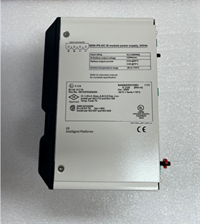
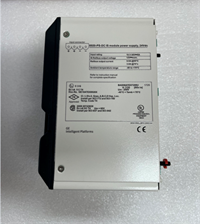
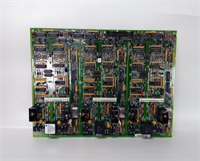
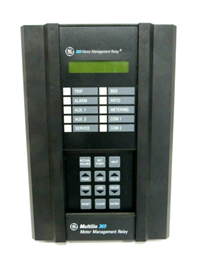
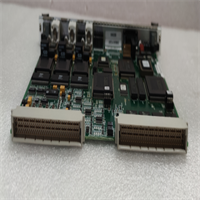
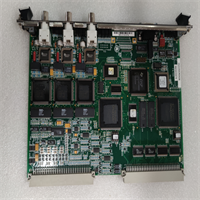
- Product Model: IS215VCMIH2CA / IS200VCMIH2CAA
- Manufacturer: GE (General Electric)
- System: GE Mark VI / Mark VIe Turbine Control
- Module Type: VCMI (VME Communication Interface)
- Backplane Interface: VMEbus
- Protocol Support: Ethernet, Serial Communication
- Network Ports: Typically includes RJ45 Ethernet and serial ports
- Power Consumption: Varies based on system configuration
- Operating Temperature: Industrial range (typically -40°C to +85°C)
System Positioning & Downtime Impact
The IS215VCMIH2CA IS200VCMIH2CAA modules are typically installed in the main control rack of GE’s Mark VI and Mark VIe turbine control systems. Their primary function is to provide communication interfaces between the turbine controller and external systems such as HMIs, SCADA, or other control devices. These modules are often the sole link between the turbine control system and the outside world. A failure of these modules can result in a complete loss of data exchange, leading to unplanned turbine shutdowns and significant operational disruptions.
Reliability Analysis & Common Failure Points
- Common Failure Modes: The most frequent failures are related to the physical network connections and power supply components. The RJ45 ports are susceptible to damage from improper connector insertion or strain relief failure. The internal power regulation circuitry can fail due to backplane power surges or aging capacitors. The module’s firmware can become corrupted if the control system loses power during an update.
- Weak Links: These modules rely on specific firmware versions that may not be compatible with newer versions of GE’s control software. They are sensitive to electrostatic discharge (ESD) during handling. The lack of modern cybersecurity features makes them vulnerable if connected to modern IT infrastructures.
- Preventive Maintenance Recommendations:
- Connector Inspection: Regularly inspect the RJ45 and serial connectors for bent pins, corrosion, or loose connections. Ensure strain relief is properly secured.
- Firmware Backup: Maintain a backup of the known-good firmware file and the configuration offline.
- Power Supply Check: Verify the control rack power supply is providing stable voltage to the backplane to prevent brown-out conditions that can corrupt the module’s memory.
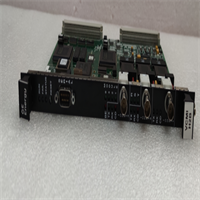
IS215VCMIH2CA IS200VCMIH2CAA GE
Lifecycle & Migration Strategy
- Official Status & Risk: The IS215VCMIH2CA and IS200VCMIH2CAA are considered obsolete products. The primary risk is the unavailability of new replacement units. Sourcing is limited to secondary markets, where prices are volatile and quality is inconsistent. Technical support from the manufacturer is limited, and firmware updates are no longer available.
- Temporary Solutions: In the short term, the only option is to procure refurbished or “new old stock” (NOS) units from specialized suppliers. It is critical to keep a pre-configured spare on-site for rapid replacement. For minor failures, board-level repair by specialized technicians can extend life.
- Migration/Replacement Path: The recommended migration path is to transition to a modern control system, such as GE’s Mark VIeS or other updated platforms. These newer systems offer enhanced features like improved cybersecurity, larger data buffers, and support for modern communication protocols. The migration typically involves reconfiguring the communication mapping and may require adjustments to the control logic to accommodate the new system architecture.