 Tel:
Tel:  Email:
  WhatsApp:
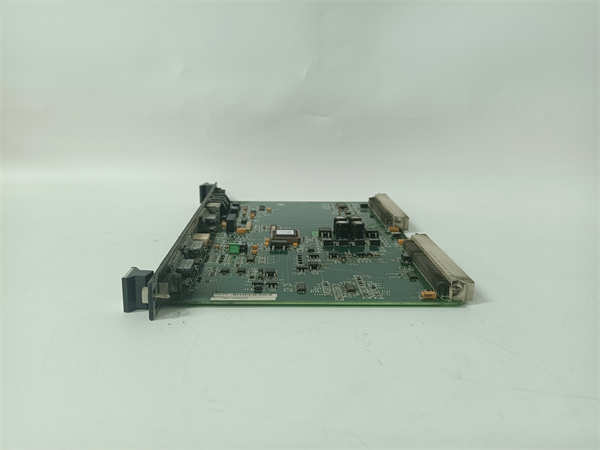
 Description
Key Technical Specifications (For Spare Part Verification)
- Product Model: IS200EROCH1ABB
- Manufacturer: GE Vernova
- System Family: Mark VIe Turbine Control System
- Module Type: Ethernet Remote I/O Controller (EROC) – ABB-customized variant
- Communication Protocol: GE’s proprietary IONet over 100BASE-TX Ethernet
- Redundancy Support: Yes (dual-redundant configuration typical in critical applications)
- Operating Voltage: +24 V DC (from Mark VIe power supply modules)
- Mounting: DIN rail or chassis-mounted within I/O enclosure
- Firmware Dependency: Requires specific boot PROM and application image compatible with ABB-integrated Mark VIe configurations
- Environmental Rating: Designed for industrial environments (0°C to 60°C, IP20)
- Diagnostic Indicators: Status LEDs for power, link, activity, and fault
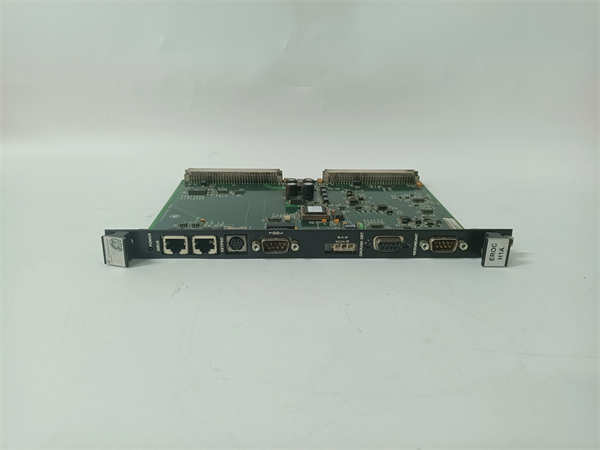
GE IS200EROCH1ABB
System Role and Downtime Impact
The IS200EROCH1ABB serves as a critical network bridge in hybrid power plant control architectures where GE’s Mark VIe system interfaces with ABB-supplied balance-of-plant (BOP) equipment or legacy ABB DCS subsystems. It enables real-time data exchange between turbine safety logic and auxiliary systems such as boiler controls, generator breakers, or emissions monitoring. In combined-cycle plants, this module often resides in remote I/O cabinets near the HRSG or condensate system. A failure can result in loss of turbine remote I/O scanning, triggering protective alarms or even a forced turbine trip if redundancy is compromised. Given the high cost of unplanned outages in power generation, this module represents a single point of vulnerability in otherwise redundant architectures.
Reliability Analysis and Common Failure Modes
Although the Mark VIe platform is robust, this custom EROC variant exhibits age-related vulnerabilities due to its embedded networking components and long field service life (many units installed pre-2015).
- Common Failure Modes:
- Ethernet PHY chip degradation leading to intermittent link drops or packet loss.
- Flash memory corruption in the boot sector, causing module to hang during startup.
- Electrolytic capacitor aging on the DC/DC converter stage, resulting in brownout resets under load.
- Design Weaknesses:
- Limited overvoltage protection on the Ethernet port; susceptible to damage from ground loops or nearby lightning strikes if shield grounding is inadequate.
- Firmware is locked to specific ABB integration builds—generic EROC replacements (e.g., IS200EROCH1A) will not function without reconfiguration, which may not be permitted under site safety protocols.
- Preventive Maintenance Recommendations:
- Perform annual inspection of Ethernet cabling, RJ45 connectors, and shield terminations.
- Monitor module temperature inside I/O enclosures; ensure ventilation is unobstructed.
- Maintain synchronized backups of the module’s firmware image and configuration files.
- Test redundant unit failover during scheduled outages to verify seamless switchover.
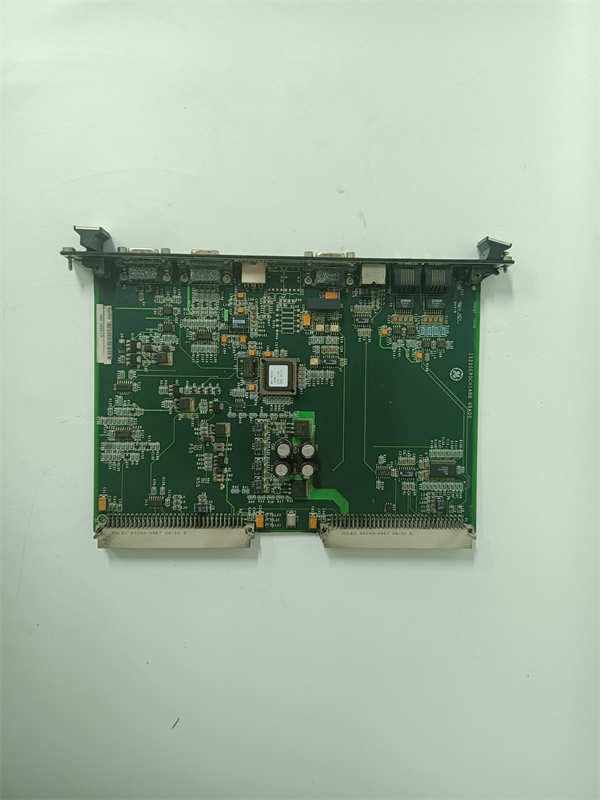
GE IS200EROCH1ABB
Lifecycle Status and Migration Strategy
GE no longer produces the IS200EROCH1ABB as a standard spare. The “ABB” suffix indicates a project-specific customization, making direct replacement with off-the-shelf EROC modules impossible without engineering validation.
- Interim Solutions:
- Source units from certified industrial electronics refurbishers who perform full functional and network stress testing.
- Implement external network monitoring (e.g., managed switches with port mirroring) to detect early signs of communication degradation.
- Migration Path:
- GE’s strategic direction is toward the Mark VIeS (enhanced cybersecurity and virtualization) and eventual migration to Advanced Digital Controls platforms.
- However, for existing Mark VIe sites, the practical path is to:
- Retire ABB-specific logic and consolidate all turbine and BOP control under a unified Mark VIe architecture using standard IS200EROCH1A modules.
- This requires re-engineering the I/O database, updating ToolboxST applications, and revalidating all safety interlocks—a significant but justifiable investment for plants with >10 years remaining life.
- Until then, maintaining a minimum of two verified spares per critical turbine is strongly advised.