 Tel:
Tel:  Email:
  WhatsApp:
 Description
Technical Specifications (For Spare Parts Verification)
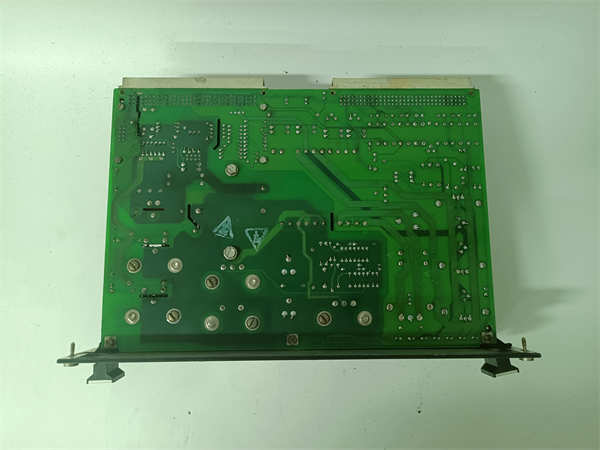
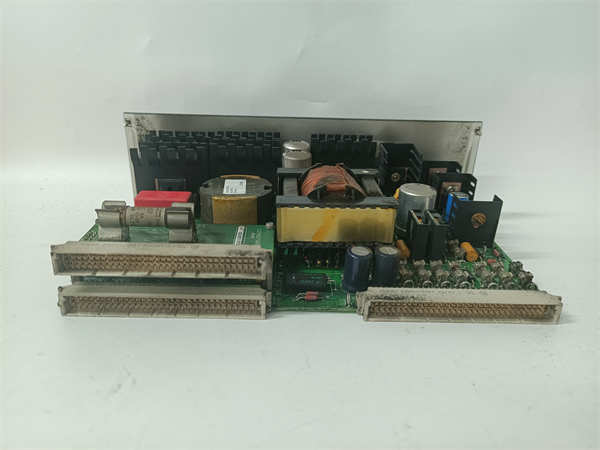
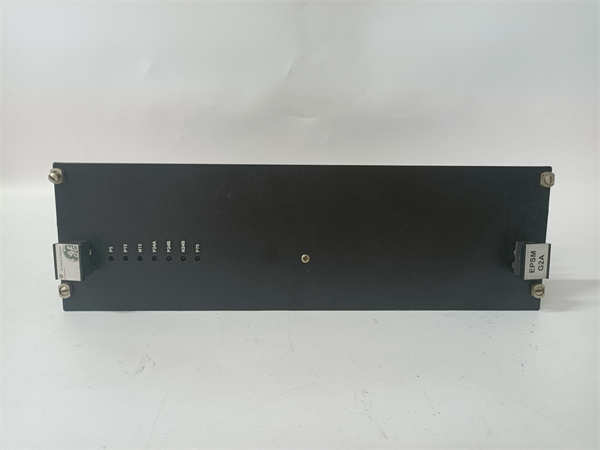
- Product Model: IS200EPSMG2ADC
- Manufacturer: GE Vernova
- System Family: Mark VI Turbine Control System
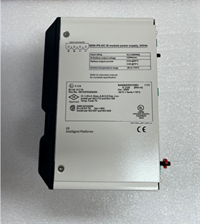
- Function: Extended Power Supply Module (EPSM), chassis-mounted
- Input Voltage: 115/230 VAC, 50/60 Hz (auto-ranging)
- Output Voltages:
- +5 VDC (logic rail, primary load)
- +15 VDC / –15 VDC (for analog I/O conditioning)
- Output Current: ~12–15 A on +5 V rail (derated above 40°C ambient)
- Redundancy: Supports parallel operation with a second EPSM; includes load-sharing and fault isolation
- Mounting: Slides into dedicated slot in Mark VI rack (e.g., IS200CHASx series)
- Connectors:
- Backplane mating connector (power + signaling)
- Terminal blocks for AC input, ground, and alarm contacts
- Diagnostic Indicators: LEDs for AC OK, DC OK, FAULT, and REDUNDANCY STATUS
- Cooling: Convection-cooled; relies on cabinet airflow (no internal fan)
- Revision Note: G2ADC is a specific hardware/firmware variant—not interchangeable with G2AEC, G2ADB, etc., without validation
-

GE IS200EPSMG2ADC
System Role and Downtime Impact
The IS200EPSMG2ADC is foundational to Mark VI system integrity. Installed in pairs, these modules ensure continuous power delivery even if one unit fails. The +5 VDC rail powers VME-based controller cards (e.g., VCMI, TCEA), while ±15 VDC supports analog input/output modules.
If one unit fails, the system typically continues operating but logs a “POWER SUPPLY FAULT” and illuminates a chassis alarm. However, if:
- The second unit is degraded (common in aging systems), or
- The system runs on a single EPSM (non-redundant config),
…then a power supply failure results in immediate loss of all logic execution and I/O scanning. In turbine applications, this almost always triggers a protective shutdown due to loss of critical signals (speed, flame, vibration). Recovery requires replacement, voltage verification, and system reboot—often taking 4–8 hours in complex plants.
Reliability Analysis and Common Failure Modes
Most IS200EPSMG2ADC units were installed between 2000–2010 and are now well beyond their design life. Thermal stress and component aging dominate failure mechanisms.
Common Failure Modes:
- Electrolytic capacitor degradation: Causes increased output ripple (>200 mVpp on +5 V), voltage sag under load, or complete output collapse
- Thermal overload in poorly ventilated cabinets: Leads to intermittent shutdowns or premature component failure
- Input surge damage: MOVs or rectifiers fail after repeated voltage transients (e.g., lightning, grid switching), blowing internal fuses
- Backplane connector corrosion: Results in high-resistance connections, causing brownouts or random resets
Design Limitations:
- No active power factor correction
- Limited diagnostic granularity (no per-rail voltage reporting)
- Reliance on large electrolytic capacitors with finite lifespans (~8–10 years)
Preventive Maintenance Recommendations:
- Measure output ripple and load regulation annually using an oscilloscope
- Inspect for bulging capacitors or burnt components during outages
- Maintain cabinet ambient temperature < 40°C at module level
- Verify secure mechanical seating to prevent vibration-induced disconnection
-
GE IS200EPSMG2ADC
Lifecycle Status and Migration Strategy
GE has fully discontinued the IS200EPSMG2ADC. No official support, repairs, or technical documentation updates are available. Continuing to operate Mark VI systems dependent on this module carries escalating risk due to:
- Vanishing genuine spares
- Rising prices (200–500% increase since obsolescence)
- Counterfeit or reconditioned units with unverified reliability
Short-Term Mitigation:
- Procure and functionally test matched redundant pairs from certified suppliers
- Implement permanent voltage monitoring on critical rails
- Enforce strict environmental controls (cooling, humidity, cleanliness)
Long-Term Path:
GE’s strategic migration is to the Mark VIe or Mark VIe Evolution platform, which features:
- Modern, modular power supplies with digital health reporting
- Higher efficiency and wider input voltage tolerance
- Cyber-hardened architecture and extended lifecycle commitments
Migration involves replacing controller/I/O racks, rewiring field terminations, and revalidating control logic—but eliminates single-point obsolescence and aligns with current industrial standards.
Until then, a disciplined life-extension strategy—centered on validated spares, proactive thermal management, and rigorous performance monitoring—is essential to avoid unplanned, high-cost outages.