 Tel:
Tel:  Email:
  WhatsApp:
 Description
Key Technical Specifications (For Spare Part Verification)
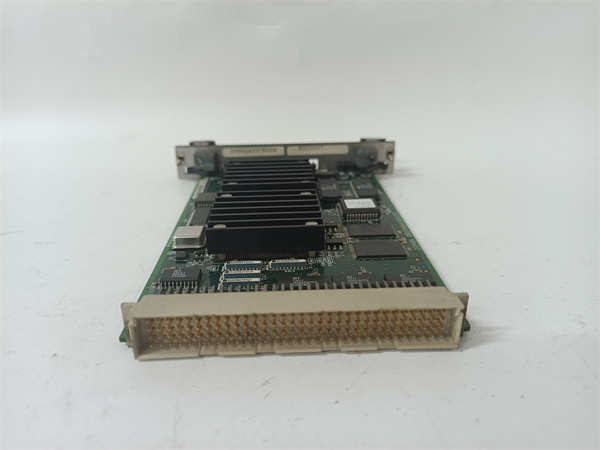
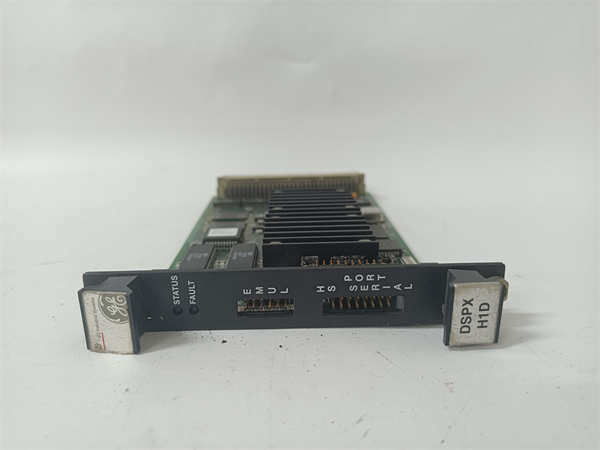
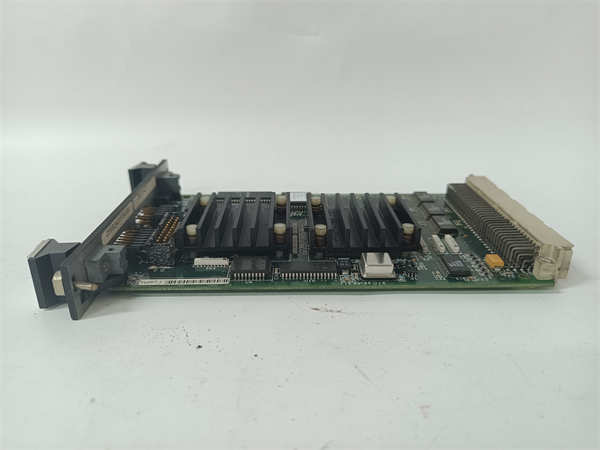
- Product Model: IS200DSPXH1DBD
- Manufacturer: GE Vernova
- System Family: Mark VIe Turbine Control System
- Module Type: Digital Signal Processor (DSP) Expansion Module
- Primary Application: Vibration monitoring, speed/tachometer input, blade pass frequency analysis
- Analog Inputs: Typically 4–8 differential channels (±10 V), 24-bit sigma-delta ADC
- Sampling Rate: Up to 100 kS/s per channel (configurable)
- Interface: Connects to main controller via high-speed backplane (IONet or proprietary parallel bus)
- Power Requirement: +5 V, ±12 V from Mark VIe power supply
- Firmware Dependency: Requires matching version in ToolboxST application database
- Diagnostic Indicators: Status LEDs for power, activity, and fault
- Mounting: Standard Mark VIe I/O chassis slot
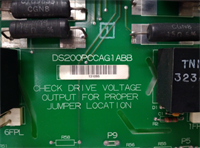
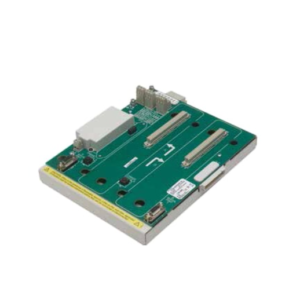
GE IS200DSPXH1DBD
System Role and Downtime Impact
The IS200DSPXH1DBD is typically deployed in gas or steam turbine applications where continuous machinery health monitoring is mandated—such as combined-cycle power plants or LNG compression trains. It processes raw signals from proximity probes, accelerometers, and magnetic pickups to compute shaft orbit, 1X/2X vibration amplitudes, and overspeed conditions in real time. This data feeds directly into the turbine protection logic. If the module fails or becomes unresponsive, the Mark VIe system may:
- Disable automatic trip functions tied to vibration limits,
- Force the unit into a “derated” operating mode, or
- Trigger a protective shutdown if redundancy is not implemented.
Given its role in preventing catastrophic mechanical failure, loss of this module compromises both safety and availability, potentially leading to unplanned outages costing hundreds of thousands of dollars per day.
Reliability Analysis and Common Failure Modes
Despite robust industrial design, this module is susceptible to long-term electronic wear due to its high-speed analog front-end and dense FPGA/DSP circuitry.
- Common Failure Modes:
- ADC reference voltage drift causing inaccurate vibration readings (e.g., false high-amplitude alarms).
- FPGA configuration memory corruption due to power cycling or EMI, resulting in boot failure or erratic behavior.
- Cold solder joints on high-pin-count connectors from thermal stress, leading to intermittent communication with the backplane.
- Design Weaknesses:
- Limited on-board filtering for analog inputs; highly sensitive to ground loops or RFI if shielded cabling is improperly grounded.
- No field-replaceable components—entire module must be swapped upon failure.
- Preventive Maintenance Recommendations:
- Perform annual calibration checks using known signal sources (e.g., function generator at 60 Hz, 1 Vrms).
- Inspect all probe cables and junction boxes for moisture ingress or shield continuity.
- Monitor module temperature inside the I/O cabinet; sustained operation above 55°C accelerates semiconductor aging.
- Maintain synchronized backups of the DSP configuration file (.dcm or .xml) for rapid recovery.
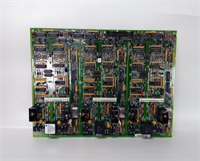
GE IS200DSPXH1DBD
Lifecycle Status and Migration Strategy
GE has discontinued the IS200DSPXH1DBD and no longer provides repair services for this revision. Newer Mark VIe implementations integrate high-speed processing directly into advanced I/O modules (e.g., IS200AAMLH1 or IS200TBSRH1 with embedded analytics), eliminating the need for discrete DSP cards.
- Interim Solutions:
- Source only from vendors who provide full functional validation, including FFT accuracy, sampling jitter, and backplane communication tests.
- Implement external vibration monitoring systems (e.g., Bently Nevada 3500) as a parallel safeguard for critical machines.
- Migration Path:
- GE recommends migrating to Mark VIeS with virtualized I/O and enhanced edge analytics capabilities.
- For existing sites, a practical approach includes:
- Replacing legacy probe systems with smart sensors that output digital data (e.g., via HART or Ethernet), reducing reliance on analog DSP modules.
- Consolidating high-speed functions into currently supported I/O types during scheduled turbine outages.
- Updating the ToolboxST project to remove dependencies on obsolete DSP logic blocks.
- Until migration is complete, maintaining at least two fully tested spares per critical turbine is strongly advised to ensure operational continuity.