 Tel:
Tel:  Email:
  WhatsApp:
 Description
Product Introduction
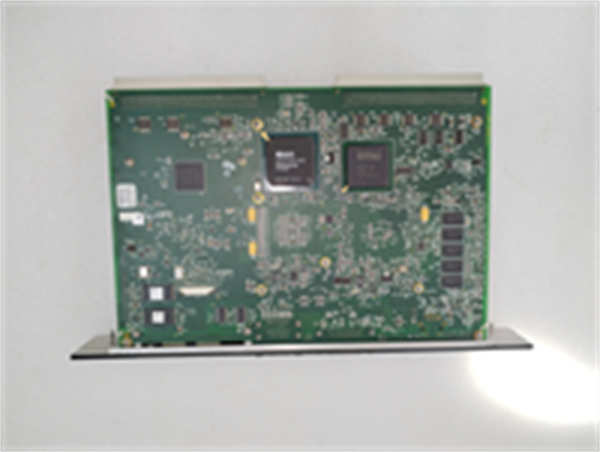
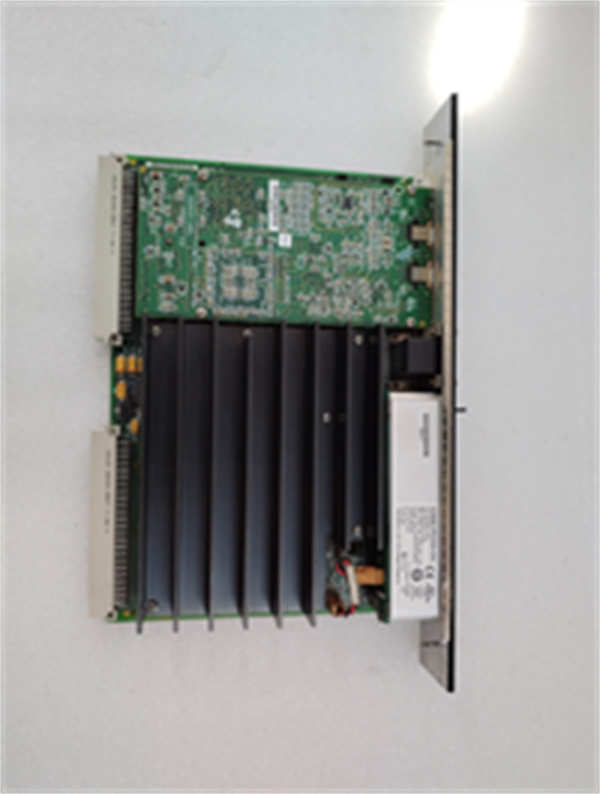
The GE IC698CPE030 represents the “brain” of the RX7i system, bringing PC-class processing power to the rugged world of industrial automation. Unlike earlier PLC CPUs that struggled with complex math, floating-point calculations, or massive data logging, the CPE030’s Pentium architecture handles these tasks effortlessly. It allows engineers to consolidate multiple controllers into a single powerful unit, simplifying architecture and reducing hardware costs.We recently supported a nuclear power plant upgrade where the existing control system needed to handle significantly more analog inputs and complex safety interlocks than the original design. The IC698CPE030 was selected because its processing speed allowed for a much faster scan time (<5ms) even with a 50% increase in logic size. This ensured that critical safety trips would execute instantly. To be frank, trying to run this volume of logic on older 8-bit or 16-bit PLC processors would have resulted in scan times exceeding 50ms, which is unacceptable for high-speed turbine protection. The CPE030 bridges the gap between traditional PLC reliability and PC-level computational power.
Key Technical Specifications
| Parameter | Value |
|---|---|
| Part Number | IC698CPE030 |
| System Compatibility | GE PACSystems RX7i (Universal Backplane) |
| Processor Type | Embedded Intel Pentium (300 MHz – 450 MHz) |
| User Memory | Typically 16 MB – 64 MB (Logic + Data) |
| Scan Time | < 1 ms for small logic; ~5-10 ms for very large complex logic |
| Communication Ports | 2x 10/100 Mbps Ethernet (RJ45), 1x USB (Type B for programming), 1x Serial (RS-232/485 – optional/configurable) |
| Protocols Supported | SRTP, Modbus TCP/IP, Modbus RTU, Ethernet Global Data (EGD), Genius (via adapter) |
| Redundancy Support | Yes (Requires IC698RMX016 Redundancy Module) |
| Real-Time Clock | Yes (Battery backed) |
| Mounting | RX7i Universal Backplane Slot |
| Power Consumption | Typical 2.5A @ 5VDC (Check specific manual for exact load) |
| Operating Temperature | 0 °C to 60 °C |
| Certifications | UL, CE, CSA, ATEX (System level) |
| Status | Active / Legacy Support (Critical Infrastructure Spare) |
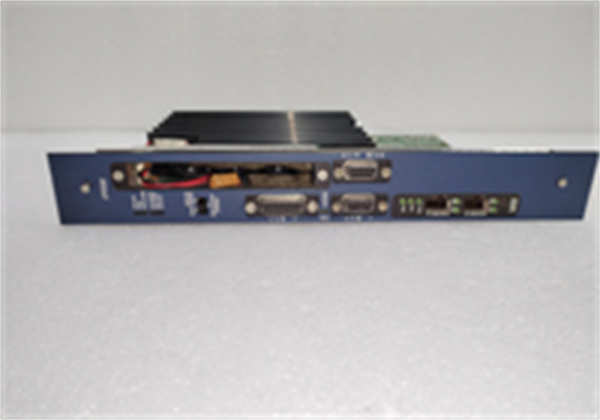
IC698CPE030 GE
Application Scenarios & Pain Points
A large combined-cycle power plant experienced frequent “Watchdog Timeout” faults on their old PLC system during startup sequences, causing aborted starts and delayed power generation. The root cause was the CPU struggling to process the complex sequence logic and communication overhead simultaneously. Replacing the old CPU with the IC698CPE030 provided enough processing headroom to handle the peak load without timing out. This module is vital because it ensures deterministic control even when the system is under maximum stress.
- Oil & Gas Pipeline Compression: Managing variable speed drives (VSDs) and anti-surge algorithms requires intense mathematical calculation. The CPE030 executes these floating-point routines quickly, preventing surge events that can damage compressors.
- Automotive Paint Shops: Coordinating dozens of robots and conveyors requires precise synchronization. The fast scan time of the CPE030 ensures that robot hand-offs happen smoothly without collisions.
- Water/Wastewater Treatment: Used for complex flow balancing and chemical dosing algorithms that rely on real-time data from hundreds of sensors. The large memory capacity stores historical trends directly in the CPU.
- Pharmaceutical Batch Processing: Handles complex state-machine logic for batch recipes, ensuring strict adherence to FDA regulations. The robust communication stack allows seamless integration with SCADA and MES systems.
Case Study:
A major steel producer in Europe operates a continuous casting line controlled by a GE RX7i system. Over time, as they added more quality inspection sensors and advanced cooling models, the original CPU became a bottleneck. Scan times increased to 40ms, causing the mold level control loop to become unstable and resulting in surface defects on the slabs. The engineering team upgraded the controller to an IC698CPE030. The new CPU reduced the scan time to 8ms, stabilizing the mold level control and eliminating the surface defects. This single upgrade improved yield by 2%, saving the plant over $500,000 annually in reduced scrap and rework.Lessons Learned: Installation Pitfalls
- Memory Allocation & Optimization — Just because the CPE030 has lots of memory doesn’t mean you should write inefficient code. ❗ Poorly structured logic (e.g., excessive indirect addressing inside tight loops) can still bog down the processor. Always organize your program into logical tasks and use the “Task Configuration” in Proficy Machine Edition to prioritize critical control loops over background data handling.
- Communication Load Balancing — The CPE030 handles all comms in software. ❗ Flooding the CPU with too many Modbus TCP requests or EGD exchanges can starve the logic solver, increasing scan time. Limit the number of active connections and use “on-demand” reading instead of continuous polling for non-critical data. If you need massive comms throughput, consider offloading to a dedicated coprocessor module if available for your backplane.
- Battery Maintenance for RTC — The Real-Time Clock (RTC) and some volatile memory settings rely on an internal battery. ❗ If the CPU sits on a shelf for years or loses power for extended periods, the battery may die, causing the clock to reset and potentially losing retentive data. Always check the battery status bit in the PLC table after installation and replace the battery proactively every 3-5 years.
- Firmware & Tooling Compatibility — The IC698CPE030 requires specific versions of Proficy Machine Edition (now part of Emerson’s PACSystems programming tools). ❗ Trying to download a project created in a very new version of the software to an older CPU firmware (or vice versa) can fail or cause runtime errors. Always verify the “Target Device” firmware version in your project properties matches the physical CPU. Keep a backup of the specific software version used for the original project.
- Heat Dissipation in Dense Racks — Pentium processors generate more heat than typical PLC CPUs. ❗ In a fully populated RX7i rack inside a hot cabinet, the CPE030 can overheat if there is no airflow. Ensure the cabinet has adequate cooling (fans or AC) and that the rack’s forced air kit (if equipped) is functioning. Overheating leads to thermal throttling (slowing down the CPU) or unexpected shutdowns.