 Tel:
Tel:  Email:
  WhatsApp:
 Description
Key Technical Specifications (For Spare Part Verification)
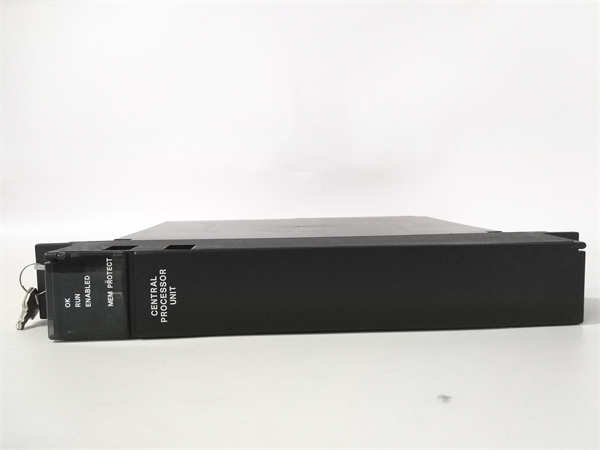
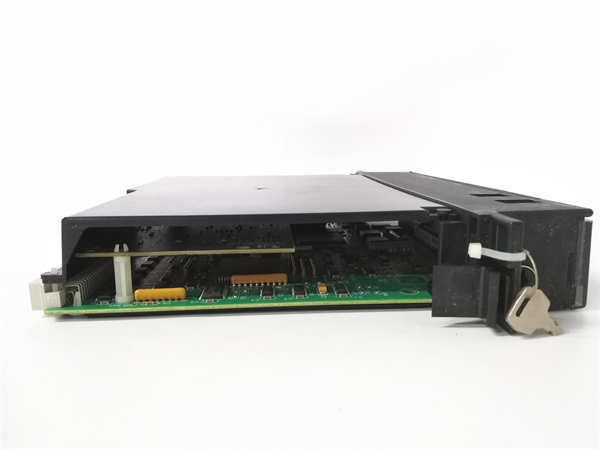
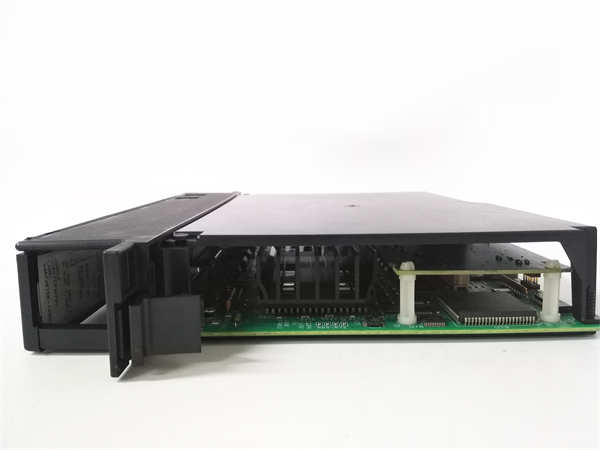
- Product Model: IC697CPM790
- Manufacturer: GE Fanuc (technology now under Emerson ownership)
- System Family: Series 90-70 PLC platform
- Processor Architecture: Intel 80486DX2, 66 MHz
- User Memory: 2 MB RAM (battery-backed), expandable to 8 MB with memory modules
- Logic Execution Speed: 0.06 ms per 1K Boolean instructions
- I/O Capacity: Supports up to 32,000 discrete points or 16,000 analog channels per rack
- Backplane Bus: Proprietary GMRP (GE Multi-Rack Protocol) over VME-compatible interface
- Battery Type: BR2330 lithium backup battery (field-replaceable)
- Power Draw: +5 V @ 3.2 A from backplane
- Firmware Storage: Mask ROM with version-specific code; must match project configuration
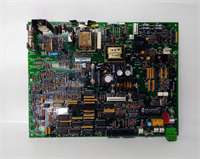
- Physical Form: 6U VME-style module (233 mm x 160 mm), requires Series 90-70 baseplate
System Role and Downtime Impact
The IC697CPM790 served as the flagship CPU for high-demand applications within the GE Series 90-70 ecosystem—commonly deployed in power plants, oil & gas facilities, and heavy manufacturing. It handles complex ladder logic, PID loops, and inter-controller communication across multiple racks. As the sole processing unit in a non-redundant configuration, its failure immediately halts all automated processes tied to its chassis. In continuous-operation environments, this can trigger cascading shutdowns, safety system activations, or regulatory reporting events. Recovery time depends entirely on spare availability and technician readiness, often extending beyond 24 hours in worst-case scenarios.
Reliability Analysis and Common Failure Modes
Although engineered for industrial duty, the IC697CPM790 is now operating well beyond its designed service life (typically 10–15 years). The dominant failure mechanism is program loss due to backup battery exhaustion. The BR2330 battery maintains SRAM during power interruptions; once depleted (usually after 5–8 years), the user program is erased on next power cycle—a silent but total failure.
Additional recurring issues include:
- Degraded electrolytic capacitors on the DC-DC converter section, causing voltage ripple, intermittent resets, or boot hangs.
- Oxidation on backplane connectors, leading to poor contact, data corruption, or “no CPU detected” errors.
- Firmware mismatch or corruption, especially when replacing units without verifying ROM revision against the original project file.
Recommended preventive actions:
- Replace the backup battery every 4 years as part of scheduled maintenance, even if voltage tests appear normal.
- Perform annual functional tests using Logicmaster 90 or Proficy Machine Edition to validate program integrity and I/O response.
- Store at least one fully configured, tested spare in ESD-safe, temperature-controlled conditions.
- Inspect and clean backplane edge connectors during outages using approved contact cleaners.
GE IC697CPM790
Lifecycle Status and Migration Strategy
GE discontinued the Series 90-70 line in the early 2010s. Emerson, as the current rights holder, provides no official support, repairs, or firmware updates for the IC697CPM790. The secondary market is the only source, but risks include untested units, incorrect firmware revisions, and counterfeit labeling.
Short-term risk mitigation options:
- Procure pre-tested, configuration-matched spares from certified industrial automation surplus specialists.
- Engage third-party repair services that offer component-level reconditioning and burn-in testing.
- Implement strict operational protocols to minimize unnecessary power cycles and thermal stress.
For sustainable operation, migration is strongly advised. Emerson’s recommended path is transition to the PACSystems RX7i platform. This allows reuse of existing Series 90-70 I/O modules via adapter kits (e.g., IC695ACC600), though logic conversion and re-commissioning are required. Alternative paths include Siemens S7-1500 or Rockwell ControlLogix, but these demand full system redesign.
A formal migration assessment—covering I/O count, scan performance, communication needs, and safety integrity level (SIL)—should be initiated immediately. Every year of delay increases exposure to unplanned downtime, escalating spare costs, and loss of institutional knowledge.