 Tel:
Tel:  Email:
  WhatsApp:
 Description
Technical Specifications (For Spare Parts Verification)
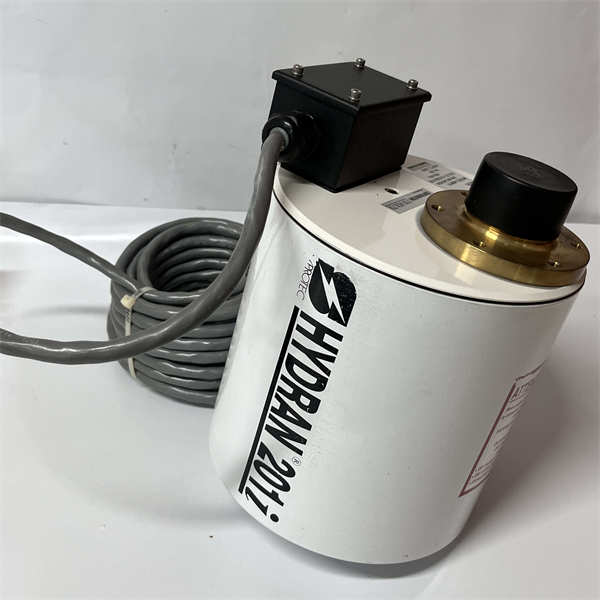
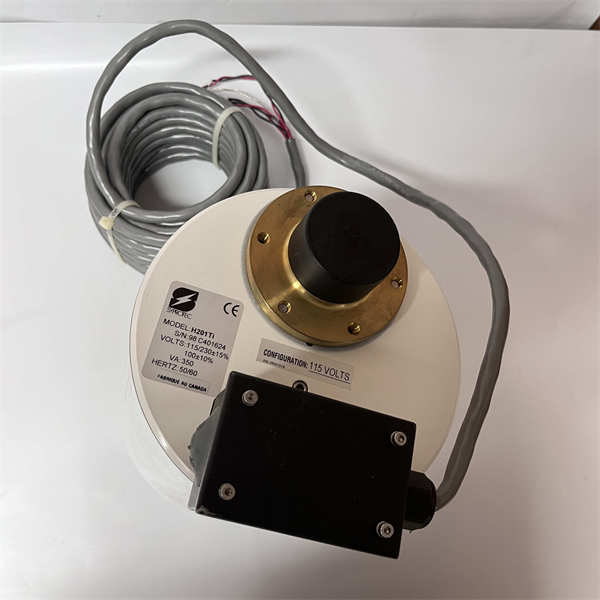
- Product Model: H201Ti
- Manufacturer: GE Fanuc Automation
- Compatible Controllers: Allen-Bradley PLC-5 (via DH+), SLC 5/03–5/05 (via DH+ or RS-232)
- Display: 4-line x 20-character monochrome LCD
- Communication Interfaces:
- DH+ (Data Highway Plus) via 9-pin D-shell (proprietary GE pinout)
- RS-232 serial (for direct SLC connection)
- Power Source: 4x AA batteries (alkaline or NiMH); internal backup battery for memory retention
- Programming Language Support: Ladder Logic (LL), Structured Text (limited)
- Memory: Volatile RAM for temporary program viewing; no persistent storage
- Physical Dimensions: ~250 mm x 100 mm x 40 mm (handheld form factor)
- Operating Temperature: 0°C to +50°C
System Role and Downtime Impact
The H201Ti served as the frontline diagnostic tool for maintenance teams working on standalone PLC-5 or SLC 500 systems—common in older packaging lines, water pump stations, or auxiliary boiler controls. In environments without Ethernet connectivity or where laptops were impractical (e.g., washdown areas, confined spaces), it allowed technicians to view real-time I/O status, trace logic execution, force outputs during testing, or recover from minor faults. Its absence does not halt production directly, but significantly slows response to unplanned events. For example, if a safety interlock fails and requires temporary bypass, the inability to force an input via H201Ti may extend downtime from minutes to hours while waiting for a configured laptop and software license. In facilities with minimal IT support, this tool remains operationally critical despite its age.
Reliability Analysis and Common Failure Modes
The H201Ti’s reliability has declined sharply due to component obsolescence and mechanical wear:
- LCD screen failure: The monochrome display commonly suffers from segment loss, contrast fade, or complete blanking due to aging liquid crystal material and failing driver circuits.
- Battery compartment corrosion: Alkaline battery leakage damages PCB traces and power regulation components—a frequent cause of total unit failure.
- DH+ connector damage: The proprietary 9-pin D-shell is prone to bent pins or cracked solder joints from repeated field use, disrupting communication with the PLC.
- Keypad membrane degradation: Repeated pressing causes carbon contacts to wear out, leading to unresponsive or double-registering keys.
- Memory volatility issues: Loss of internal backup battery results in inability to retain temporary settings or session data during power cycles.
Recommended preventive actions:
- Remove batteries when not in use for extended periods
- Store units in dry, temperature-controlled environments
- Clean DH+ connectors with contact cleaner before each use
- Maintain at least one verified functional spare with fresh batteries
GE H201Ti
Lifecycle Status and Migration Strategy
GE discontinued the H201Ti in the early 2000s as PC-based engineering tools became standard. Emerson provides no replacement, repair service, or driver support. Modern Windows operating systems lack native compatibility with its serial protocols, and original configuration cables are scarce.
Interim Mitigation Measures:
- Acquire tested units with confirmed communication and display function
- Use USB-to-RS232 adapters with legacy Windows XP virtual machines running RSLinx Classic and RSLogix 5/500 for equivalent functionality
- Fabricate or source compatible DH+ programming cables (pinout documentation is available in legacy manuals)
Long-Term Strategy:
The practical replacement for the H201Ti is a hardened industrial tablet or laptop loaded with:
- Rockwell Automation Studio 5000 Logix Designer (for newer systems)
- RSLogix 5/500 + RSLinx Classic (for legacy support)
- Secure remote access via VNC or TeamViewer to central engineering stations
However, this requires:
- Valid software licenses (now difficult to obtain for old versions)
- Network infrastructure upgrades (e.g., adding Ethernet modules to SLC 5/05)
- Technician retraining
Given the fragility of remaining H201Ti inventory, facilities still relying on it should prioritize documenting cable pinouts, securing software media, and validating PC-based alternatives—before a failed unit leaves maintenance teams without a viable path to troubleshoot critical legacy logic.