GE DS200LPPAG1AAA | Mark V Turbine Protection Module | Obsolete Spare Parts Advisory

  • Model: DS200LPPAG1AAA
  • Brand: General Electric (GE)
  • Core Function: Analog input processing and signal conditioning module for Mark V turbine control system
  • Lifecycle Status: Obsolete (End-of-Life declared; superseded by Mark VI/VIe platforms)
  • Procurement Risk: High – no new units available; secondary market only, with variable quality and long lead times
  • Critical Role: Interfaces field sensors (e.g., pressure, temperature, vibration) to the Mark V controller; essential for safe startup, loading, and trip logic execution
Category: SKU: DS200LPPAG1AAA GE

Description

Key Technical Specifications (For Spare Parts Verification)

  • Product Model: DS200LPPAG1AAA
  • Manufacturer: General Electric (GE Power / GE Vernova)
  • System Family: Mark V Turbine Control System
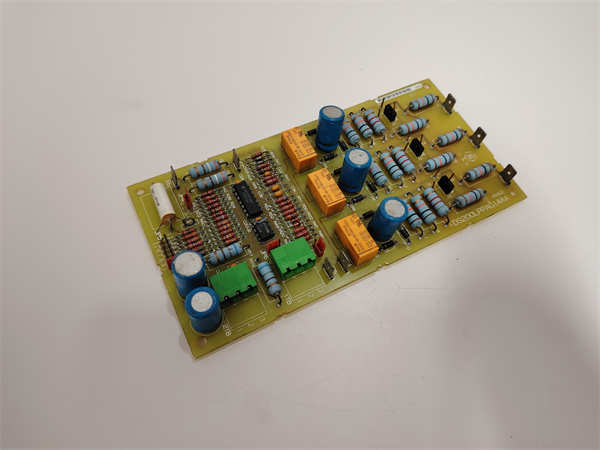
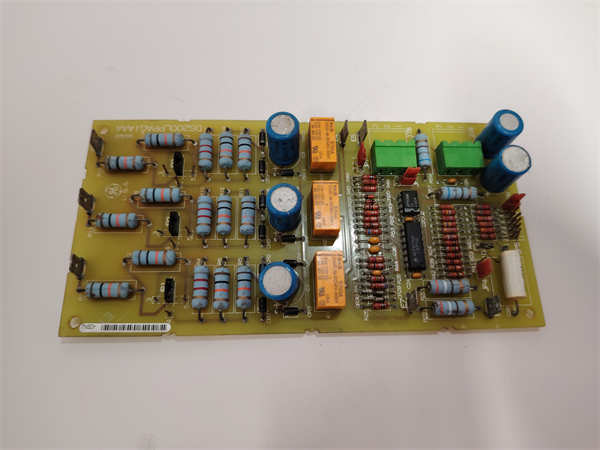
  • Functional Type: Low-Level Processor Analog Gateway (LPPA) board
  • GE Part Number: DS200LPPAG1AAA
  • Input Channels: Multiple analog inputs (typically 4–8 per board), supporting 4–20 mA and ±10 V signals
  • Signal Conditioning: Built-in filtering, isolation, and linearization for thermocouples, RTDs, and transmitters
  • Backplane Interface: Connects to Mark V core rack via VME-style backplane (DS200 series architecture)
  • Diagnostic Capability: Basic self-test on power-up; fault indication via front-panel LEDs
  • Firmware Dependency: Fixed logic; tied to specific Mark V application code version
  • Form Factor: Standard DS200-series PCB (approx. 9″ x 6″), mounted in turbine control cabinet

System Role and Downtime Impact

The DS200LPPAG1AAA serves as a critical analog signal gateway in the GE Mark V control system, widely deployed in gas and steam turbines for power generation and industrial drive applications. It conditions raw sensor data from the turbine skid—such as bearing temperature, lube oil pressure, exhaust temperature, and speed probes—and delivers digitized values to the main controllers (R, S, T cores). While not a voting processor itself, its failure can cause loss of key analog inputs, leading to nuisance trips or, worse, undetected degradation of machine health. In triple-modular redundant (TMR) Mark V systems, loss of one LPPA may be tolerated temporarily, but simultaneous or cascading failures can force a manual or automatic shutdown. Given that turbine outages often cost tens of thousands of dollars per hour, this module’s reliability directly impacts plant availability.


Reliability Analysis and Common Failure Modes

The DS200LPPAG1AAA is prone to several age-related failure mechanisms typical of early-1990s industrial electronics. The most common issues include drift or failure in precision operational amplifiers used for signal scaling, degradation of isolation barriers (leading to ground loops or noise coupling), and corrosion of terminal block connectors due to humidity or chemical exposure in turbine enclosures. Electrolytic capacitors on the local DC-DC converter sections often dry out after 15–20 years, causing intermittent resets or erratic readings. Additionally, the board lacks conformal coating in many production batches, making it vulnerable to conductive dust and moisture ingress—especially in coastal or high-humidity sites. As a preventive measure, maintenance teams should perform annual calibration checks against known references, inspect for capacitor bulging or discoloration, clean connector contacts with contact enhancer, and monitor diagnostic logs for repeated “bad value” flags on associated tags. Keeping powered spare boards in a test rack can help detect latent faults before installation.
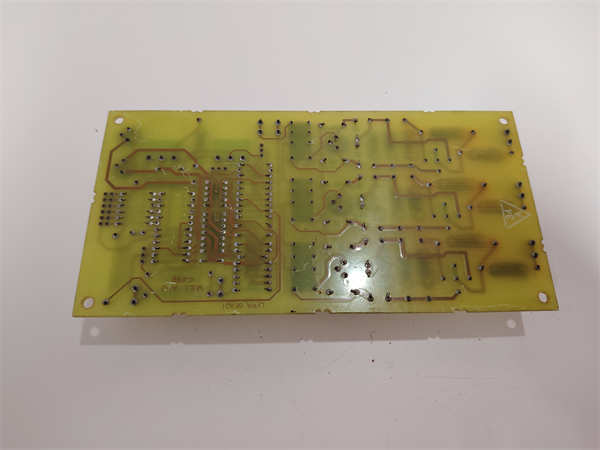
DS200LPPAG1AAA GE
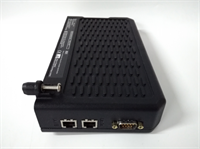
DS200LPPAG1AAA GE

Lifecycle Status and Migration Strategy

GE has formally discontinued the Mark V platform, including all DS200-series modules like the DS200LPPAG1AAA. Official repair services are limited, and new spares are unavailable through GE channels. Continued operation relies on refurbished or used inventory, which carries risks of unknown service history, hidden damage, or counterfeit components. Short-term mitigation includes establishing a verified spare pool, engaging third-party repair specialists with Mark V expertise, and implementing enhanced condition monitoring to anticipate failures. For long-term sustainability, GE recommends migrating to the Mark VIe platform—a modern, Ethernet-based control system with integrated HMI, cybersecurity features, and support for predictive maintenance. Migration involves replacing the entire control core, rewiring I/O (though some terminal blocks can be reused), and re-commissioning control logic using ToolboxST software. While capital-intensive, this upgrade significantly reduces lifecycle risk, improves diagnostics, and extends the operational life of aging turbine assets. Planning migration during major overhauls is the industry best practice.