 Tel:
Tel:  Email:
  WhatsApp:
 Description
Key Technical Specifications
- Product Name: DS200FECBG1AAA
- Manufacturer: General Electric (GE)
- Product Type: Excitation Control Board
- Series: Mark V / 200 Series
- Input Voltage: 125VDC (Typical for Mark V systems)
- Current Rating: 200 mA (Configurable via jumpers)
- Control Algorithm: Advanced, integrated for stability
- Protection: Built-in Overvoltage Protection Controller (OVP)
- Application: Turbine and Generator Systems
- Certifications: CE, UL Listed, ATEX Certified for hazardous locations
Product Introduction
The Heart of the Generator Control
I’ve seen my share of control boards, and the GE DS200FECBG1AAA is a critical piece of the puzzle in any Mark V turbine control setup. This isn’t just a generic I/O card; it is a dedicated Excitation Control Board that directly interfaces with the generator.Why it matters in the field:
This board handles the delicate task of voltage regulation. In my experience, the precision of the control algorithm is what keeps the power output stable during load swings. It’s built to take a beating in industrial environments—think dusty, hot turbine rooms where reliability is non-negotiable. It’s designed to work with a variety of generator models, which gives you a lot of flexibility when matching hardware. If you’re dealing with excitation issues or need to replace a failing voltage regulator, this is the component you want to put your trust in.
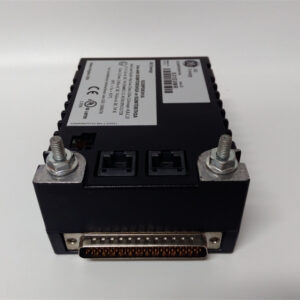
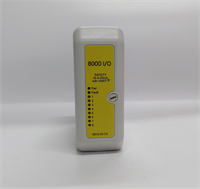
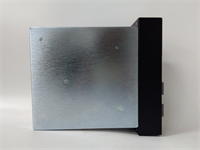
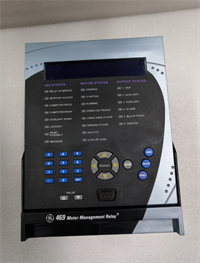
GE DS200FECBG1AAA Excitation Control Board
 Quality SOP & Tech Pitfalls
 Quality SOP & Tech Pitfalls
The Shop Floor Reality
Before this board leaves the warehouse, we run a strict Quality Assurance protocol. First, we check for counterfeit parts and verify the physical condition. Then, it goes on a test rack where we simulate real-world voltages and signals to ensure the excitation logic fires correctly. We use a Fluke multimeter to check insulation resistance and verify that the firmware version matches the original. Finally, we seal it in anti-static bags to prevent ESD damage during transit.The “Grumpy Old Engineer” Warning
Here is the hard truth: Do not power down this board without waiting for the capacitors to discharge. Unlike a simple PLC module, this excitation board stores high voltage. If you yank the power and immediately touch the components or try to replace jumpers, you are risking a nasty shock. Wait a solid 30 seconds after turning off the breaker to let that juice bleed off. Also, double-check your firmware version before swapping it in. Mixing versions can cause timing issues that will have you chasing your tail for hours trying to figure out why the generator won’t synchronize.
Installation & Configuration Guide
Step-by-Step Field Guide
- Pre-Installation (Safety First)
- Shut down the turbine control system and isolate the power.
- ⚠️ Take a photo of the current Jumper and DIP switch settings on the board. This is the single biggest mistake new guys make—resetting the wrong jumpers causes the board to output incorrect voltages.
- Label every cable connected to the board to avoid rewiring disasters.
- Removal
- Release the DIN rail clips carefully. Do not force the board out; it might damage the traces on the backplane.
- Installation
- Install the new DS200FECBG1AAA into the slot.
- Copy the Jumper Settings exactly from the photo you took earlier. This is the only way to guarantee the board will function correctly in your specific setup.
- Reconnect all cables in the exact same configuration.
- Power-On & Testing
- Restore power to the control cabinet.
- Monitor the LED boot sequence. If the “Fault” light stays on, double-check your jumpers.
- Once powered up, verify the voltage output matches the expected reference. Run a quick load test to ensure the regulation is smooth.
Compatible Replacement Models
Model Migration Path
- ✅ Drop-in Replacement: DS200FECBG1A – Exact hardware and software match, direct pin-for-pin replacement.
- ⚠️ Software Compatible: DS200FECBG1B – Same form factor, but may require a firmware update or logic recompile in the Mark V system to function correctly.
- ❌ Hardware Mod Required: DS200FEOBG1AAA – While it is a GE I/O board, this is a different type (RST Analog I/O) and would require rewiring and chassis modifications to use as a replacement.
Frequently Asked Questions (FAQ)
Got Questions? I’ve got answers.
- Q: Is this board still supported by GE?
- A: GE has moved on to the Mark VIe systems, so this is considered an older legacy part. However, it is still widely used in the field, and we stock new surplus units that are fully functional.
- Q: Can I hot-swap this board while the system is running?
- A: No. You must power down the entire I/O core or at least the specific power supply feeding this module. Hot-swapping an excitation board can cause voltage spikes that damage the generator or the new board.
- Q: What if the fault light is on after I install it?
- A: Most likely, the Jumpers (J1/J2) are set incorrectly. This board uses hardware jumpers to define current ranges. If they don’t match your system’s requirements (e.g., 4-20mA vs 0-20mA), it will fault. Check the manual for the correct configuration.
- Q: Is this board new or used?
- A: We source these from decommissioned plants and surplus stock. They are tested to 100% functionality, but they are not brand new from the factory assembly line.
- Q: Does it come with a manual?
- A: We provide a datasheet and a PDF of the technical manual. However, for specific configuration details, you may need to refer to the GE ITPM (Instruction to Proceed Manual) for your specific turbine model.