 Tel:
Tel:  Email:
  WhatsApp:
 Description
Product Introduction
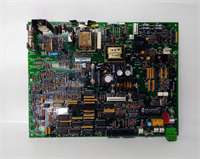
The GE DS200ACNAG1ADD is a critical translator in the Mark V Speedtronic ecosystem. It sits between the core logic solver and the high-power drive cards, ensuring that low-level control signals are correctly formatted to command the servo valves and ignition systems.If you are supporting a legacy Frame 5, 6, 7, or 9E turbine, this board handles the “handshake” that keeps the fuel flowing. Unlike the processor, this board is purely about signal integrity. However, its role is just as vital—if this board fails, the drives can’t receive commands, and the turbine simply won’t start. For the inventory manager, this is a “must-stock” item because it is a high-failure-point component due to signal noise and aging opto-isolators.
 Key Technical Specifications
 Key Technical Specifications
| Parameter | Value |
|---|---|
| OEM Part Number | DS200ACNAG1ADD |
| Manufacturer | General Electric (GE) |
| System Platform | Speedtronic Mark V |
| Module Function | Drive Interface Board |
| Supply Voltage | 24 VDC (Logic) |
| Interface Type | Backplane Connection |
| Operating Temp | 0°C to +60°C |
| PCB Coating | Conformal Coating (Standard) |
| Dimensions | Standard Eurocard (100 x 160 mm) |
Application Scenarios & Pain Points
 Application Scenarios & Pain Points
A) The “Intermittent Start” Scenario
Imagine the frustration on the morning shift change. The turbine was running fine yesterday, but today, when the operator hits “Start,” nothing happens. The control panel shows a “Ready” light, but the fuel valve doesn’t crack open. You’ve checked the hydraulics, and they are fine. The culprit? Often, it is the DS200ACNAG1ADD.Because this board handles the firing pulses for the igniters and the initial fuel stroke, a degraded opto-isolator here can block the “Start” command from ever reaching the DC2000 drive card. The pain point is the diagnostic time—engineers often spend hours checking fuel nozzles or flame detectors before realizing the board isn’t sending the signal at all.B) The “Signal Traffic Cop” Breakdown
This board is the gatekeeper for high-speed logic. Here is why you need to keep a buffer stock of this specific module:
- Ignition Control: In heavy-duty gas turbines, the first 60 seconds of startup are the most volatile. This board sends the “Ignite” pulse. If it fails during this window, you risk a cold hang or a hot gas path event.
- Servo Valve Handshake: It conditions the 4-20mA signals from the CPU into the specific pulse-width modulation (PWM) signals that the servo drivers understand. A dirty connection here doesn’t just cause a drift; it causes a hard lockout.
- Legacy System Lifeline: If you are running a Mark V system, upgrading to a Mark VIe is likely not in this year’s budget. This means the DS200ACNAG1ADD is your only line of defense against obsolescence. These boards are prone to capacitor aging—especially in high-temperature control rooms.
C) The “Field Note”
To be frank, when you install this board, don’t just plug it in and walk away. You need to verify the +24VDC rail feeding it. A lot of “bad board” returns are actually just the result of a noisy power supply. Use a scope if you have one, or at least a multimeter with a min/max function to catch any voltage sags. Also, double-check the firmware version stamped on the board against your system revision—mixing revisions here can cause the CPU to fault on boot.