 Tel:
Tel:  Email:
  WhatsApp:
 Description
Key Technical Specifications (For Spare Parts Verification)
- Product Model: EME210BASE-T
- Manufacturer: General Electric (GE Multilin / GE Grid Solutions)
- System Family: D20 / D200 Series RTU Platform
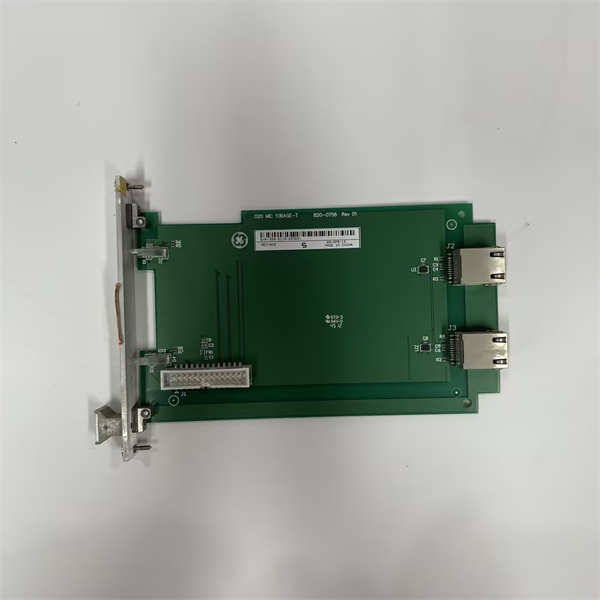
- Module Type: Ethernet communication interface card
- Physical Interface: 10BASE-T (RJ-45), half-duplex, unshielded twisted pair
- Protocol Support: Primarily Modbus TCP, DNP3 over IP (firmware-dependent)
- Data Rate: 10 Mbps (non-switched, hub-compatible)
- Power Source: Powered via D20 backplane (no external supply required)
- Form Factor: Plug-in module for D20 chassis (occupies one I/O slot)
- Firmware Dependency: Requires compatible D20 main CPU firmware version
- Environmental Rating: Designed for substation control house (typically -25°C to +70°C, conformal coating optional)
System Role and Downtime Impact
The EME210BASE-T module provides the primary Ethernet connectivity for GE D20 RTUs deployed in electrical transmission and distribution substations. It enables real-time data exchange with SCADA systems for monitoring breaker status, transformer tap positions, metering values, and alarm conditions. While the D20 system may support redundant communication paths (e.g., serial + Ethernet), loss of this module often degrades or eliminates remote visibility—forcing operators into manual polling or local-only access. In unattended substations, this can delay fault response, violate NERC compliance reporting requirements, or trigger regulatory scrutiny. Although not a protection device itself, its failure compromises operational situational awareness and can indirectly increase outage duration during grid disturbances.
Reliability Analysis and Common Failure Modes
As a legacy 10 Mbps Ethernet module from the early 2000s, the EME210BASE-T exhibits several aging vulnerabilities. The most frequent failure points include the magnetics (integrated RJ-45 transformer assembly), which degrade due to thermal cycling and lightning-induced surges—even with external surge protection. The on-board Ethernet controller IC is sensitive to voltage transients on the backplane, and older units often lack robust ESD protection. Additionally, the module’s reliance on early-generation surface-mount capacitors makes it prone to solder joint fatigue and intermittent link drops over time. In high-humidity environments, corrosion of the RJ-45 contacts or PCB traces can cause link instability. Preventive maintenance should include periodic inspection of the physical port for looseness or oxidation, verification of link stability under temperature extremes, and ensuring upstream network switches are configured for 10 Mbps half-duplex (modern auto-negotiation can cause compatibility issues). Keeping spare modules in static-safe storage and testing them annually in a bench setup is strongly advised.
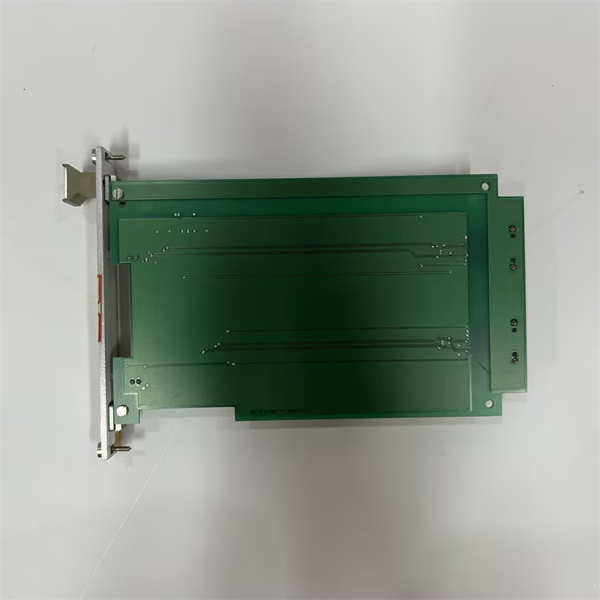
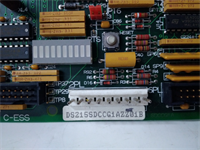
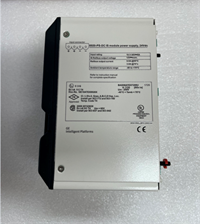
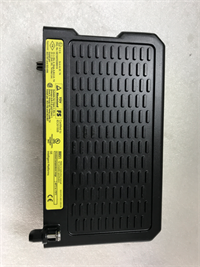
GE D20 EME210BASE-T
Lifecycle Status and Migration Strategy
GE has discontinued the D20 platform and its associated modules, including the EME210BASE-T. Official support is minimal, and new spares are unavailable through GE channels. Continued use depends on secondary-market inventory, which may lack functional validation or carry counterfeit components. As a short-term measure, utilities can implement network redundancy (e.g., dual RTUs or hybrid serial/Ethernet paths) and maintain a pool of tested spares. However, the strategic path is migration to modern RTU platforms such as the GE D200 or D60 series, which support 10/100/1000BASE-T, IEEE 1588 PTP, IEC 61850 GOOSE/SV, and secure protocols like TLS and SSH. Migration typically involves replacing the RTU chassis, reconfiguring I/O wiring (often reusing existing terminal blocks), and updating SCADA database mappings. While requiring upfront engineering effort, this upgrade enhances cybersecurity posture, improves bandwidth for smart grid applications, and aligns with industry digitalization roadmaps. Planning replacement during substation modernization projects is the most cost-effective approach.