 Tel:
Tel:  Email:
  WhatsApp:
 Description
Technical Specifications (For Spare Parts Verification)
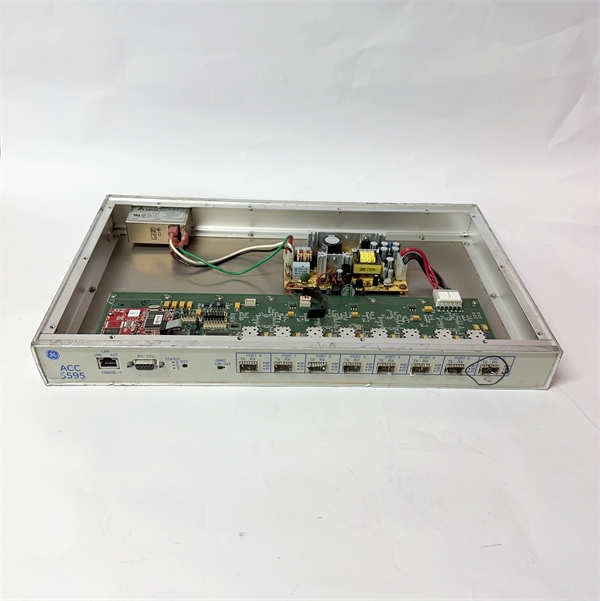
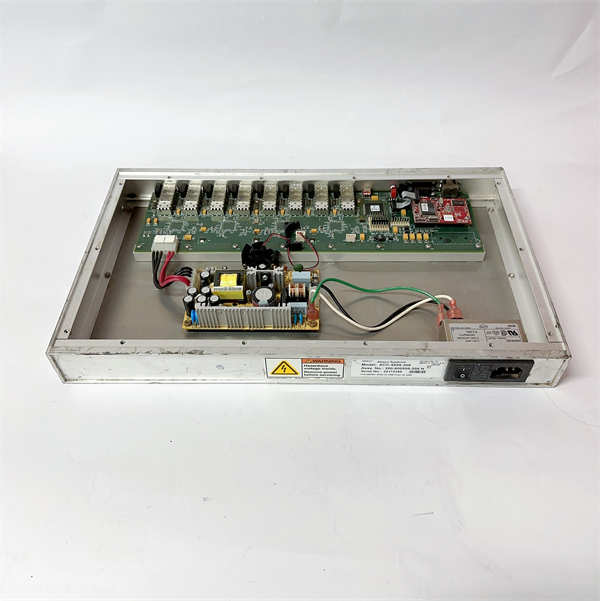
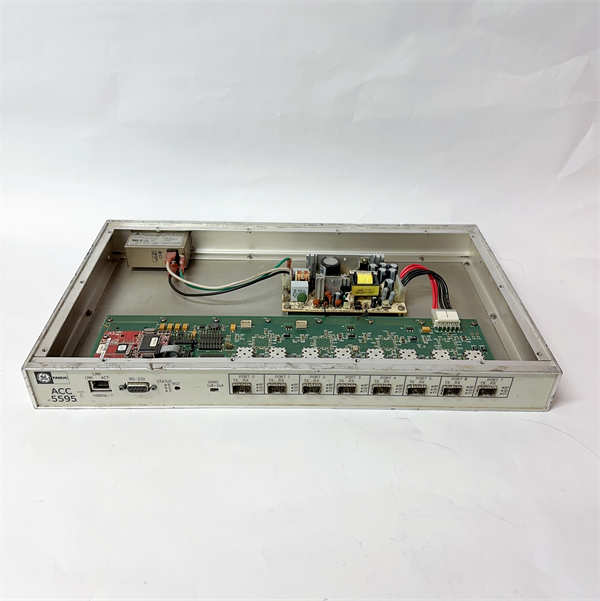
- Product Model: ACC-5595-208 / 350-805595-208
- Manufacturer: GE Fanuc Automation
- System Family: Series 90-70 Programmable Logic Controller (PLC)
- Module Type: Specialty I/O (function varies by configuration—verify label or documentation)
- Backplane Compatibility: Requires 90-70 rack with compatible slot power and addressing
- Power Consumption: Typically 1.5–3.0 A @ +5 V DC (verify via module label)
- I/O Configuration: Varies—may include analog inputs (±10 V, 4–20 mA), digital I/O, or serial ports
- Diagnostic Indicators: LED status lights for power, fault, and communication
- Mounting: DIN-rail mounted within 90-70 chassis, secured with retention screws
- Firmware/Configuration: May require DIP switches or configuration PROM; not software-configurable via modern tools
System Role and Downtime Impact
The ACC-5595-208 typically resides in a 90-70 I/O chassis connected to a central CPU (e.g., IC697CPU782). In many legacy installations—particularly in water/wastewater, power generation, or heavy manufacturing—it interfaces with non-redundant field instrumentation that lacks modern digital alternatives. If this module fails, the PLC loses visibility or control over a critical subsystem, potentially triggering a process trip or forcing manual operation.
Because the 90-70 architecture lacks hot-swap capability and modern diagnostic logging, identifying the root cause can take hours. Combined with long lead times for obsolete spares, a single module failure can result in multi-day outages, especially if engineering drawings or configuration backups are incomplete.
Reliability Analysis and Common Failure Modes
Despite robust industrial construction, these modules are now 15–25 years old, and component aging is inevitable:
Common failure modes include electrolytic capacitor degradation on the power regulation circuitry, leading to intermittent resets or brownout behavior. Oxidation on the edge connector fingers causes poor contact with the backplane, manifesting as random I/O dropouts or “module not responding” faults. In analog variants, op-amp drift results in measurement inaccuracies that may go unnoticed until product quality suffers.
A key design vulnerability is the lack of onboard surge protection on field terminals. Many failures trace back to voltage transients from motor starters or lightning-induced surges on unshielded signal cables. Additionally, the modules rely on stable +5 V DC from aging power supplies—voltage ripple beyond 50 mV can destabilize internal logic.
For preventive maintenance, technicians should:
- Clean backplane connectors annually with contact enhancer
- Measure +5 V rail stability at the module slot under load
- Inspect for bulging capacitors or burnt components during routine cabinet checks
- Maintain powered spare modules in a test rack to validate before emergency use
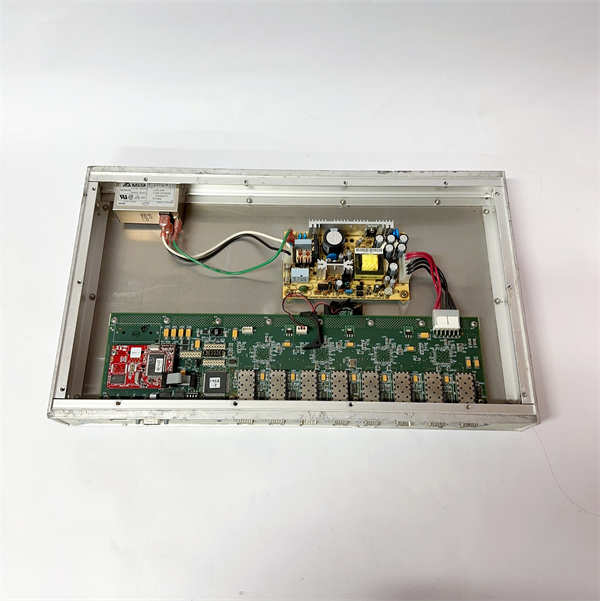
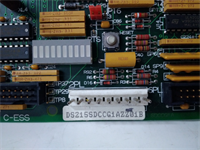
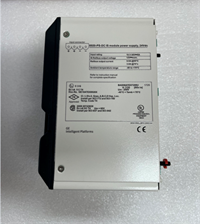
ACC-5595-208 350-805595-208 GE
Lifecycle Status and Migration Strategy
GE formally ended support for the Series 90-70 platform over a decade ago. Emerson does not offer repair services or replacements for ACC-5595-208. Continuing to operate systems dependent on this hardware exposes facilities to escalating downtime risk, rising spare costs, and compliance challenges (e.g., inability to meet cybersecurity or audit requirements).
As a temporary measure, organizations may:
- Source tested, refurbished units from specialized industrial automation suppliers
- Perform board-level repair (if schematics and components are available)
- Implement external signal conditioners to bypass failed channels
The recommended long-term strategy is migration to a modern PAC platform such as Emerson PACSystems RX3i (direct architectural successor) or Allen-Bradley ControlLogix. The RX3i offers the smoothest transition path, with similar programming paradigms (Proficy Machine Edition) and I/O compatibility via adapter modules. However, full migration requires re-engineering ladder logic, updating HMI graphics, and re-commissioning I/O—typically a 3–6 month project per system.
For facilities unable to fund immediate replacement, a hybrid approach—installing a gateway (e.g., Red Lion DAHS) to monitor 90-70 health and log failures—can provide early warning and extend operational life while building a business case for upgrade.