 Tel:
Tel:  Email:
  WhatsApp:
 Description
Key Technical Specifications (For Spare Parts Verification)
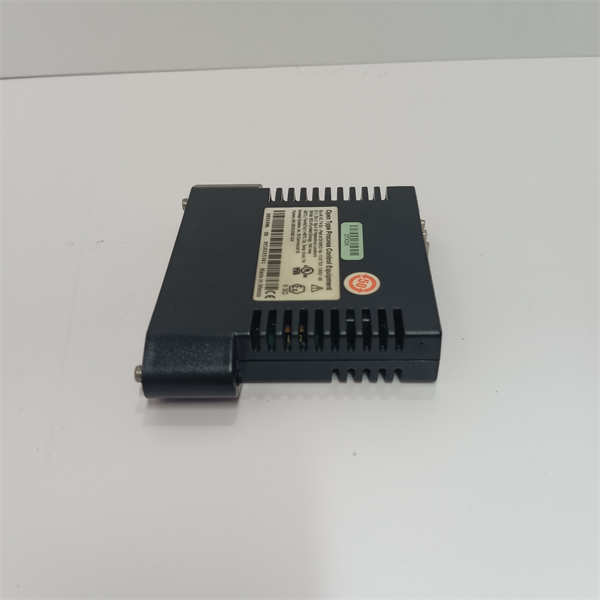
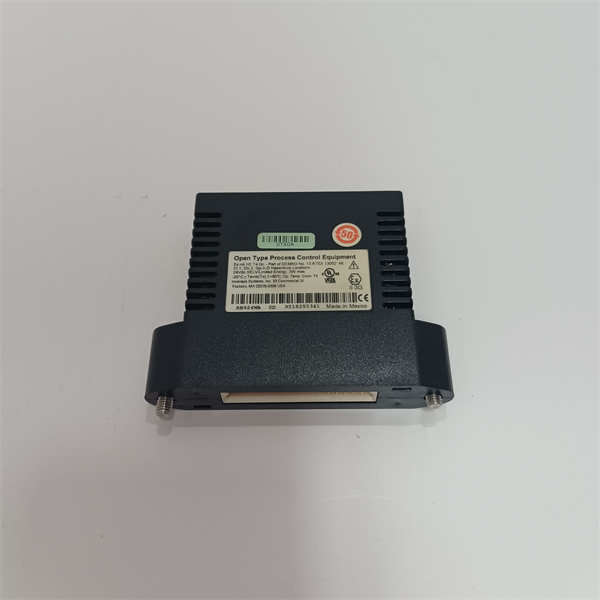
- Product Model: RH924WA
- Manufacturer: Foxboro (Schneider Electric)
- System Platform: I/A Series Distributed Control System
- Module Type: Digital Input (DI), 16 channels
- Input Voltage: 24 V DC (nominal; operating range typically 18–30 V DC)
- Input Type: Sinking (current-sourcing field devices)
- Isolation: Group isolation (two groups of 8 channels) with opto-coupling
- Response Time: ≤ 5 ms per channel
- Diagnostic Features: Per-channel LED indicators, module status reporting via I/A Series workstation
- Mounting: Plug-in module in RH-series remote I/O carrier or local I/O chassis
- Backplane Interface: Compatible with RH9xx I/O base systems (e.g., RH917, RH918 carriers)
System Role and Downtime Impact
The RH924WA is a foundational data acquisition component in legacy I/A Series systems, commonly deployed in boiler controls, compressor packages, and safety shutdown panels. It digitizes discrete field signals that feed into control strategies—for example, confirming a pump is running before opening an outlet valve, or verifying a damper is closed prior to ignition. Loss of this module results in up to 16 inputs being marked “bad” or forced in the control database, potentially causing logic errors, missed permissives, or false alarms. In non-redundant configurations—which are typical for auxiliary systems—a single module failure can delay startup sequences, trigger unnecessary trips, or mask real equipment faults. Replacement requires physical installation, loop verification, and re-commissioning through the I/A Series engineering station, all of which are significantly hampered by spare parts scarcity and the declining availability of trained personnel familiar with legacy I/A Series tools.
Reliability Analysis and Common Failure Modes
Although engineered for industrial environments, the RH924WA is now vulnerable due to its likely deployment era (1990s to early 2000s). The most frequent failure mechanisms include:
- Optocoupler degradation, leading to signal dropout or “stuck” input states—especially under sustained high ambient temperatures or electrical transients.
- Electrolytic capacitor aging in internal filtering circuits, increasing susceptibility to electrical noise and causing intermittent false triggering.
- Terminal block loosening or corrosion, resulting in high-resistance connections that mimic open circuits in the field wiring.
- Backplane connector wear, causing intermittent communication with the I/O carrier and sporadic loss of input data.
A design limitation is the lack of individual channel fusing; a short circuit on one input can affect an entire group of eight channels. Preventive maintenance should include periodic wet-loop testing during outages, visual inspection for dust accumulation or component discoloration, verification of terminal torque, and trending of input quality flags in historical logs.
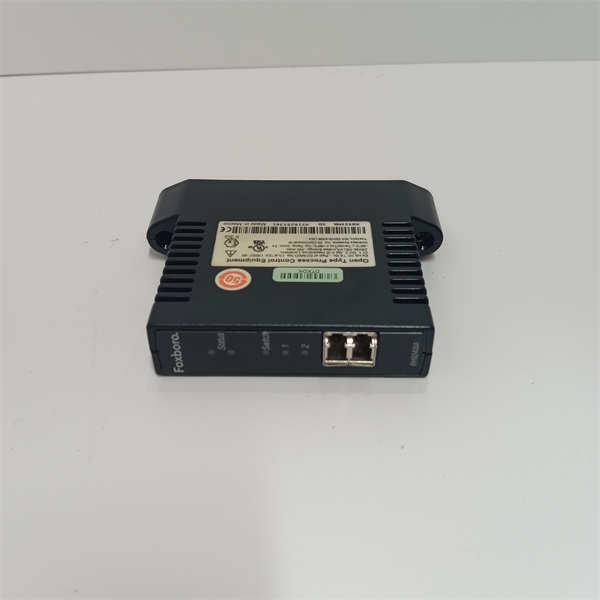
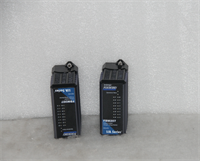
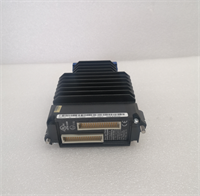
FOXBORO RH924WA
Lifecycle Status and Migration Strategy
Schneider Electric has discontinued the RH924WA as part of the broader obsolescence of the classic I/A Series I/O architecture, shifting focus to modern platforms such as Foxboro Evo™ and integration with EcoStruxure™ Process Expert. No new units are available through official distribution. Continued operation entails significant risk: untested surplus modules may fail prematurely, counterfeit or re-marked units may lack proper isolation ratings, and compatibility issues with current I/A Series software versions (e.g., FIX, IAS 8.x) can arise during replacement.
Short-term mitigation includes sourcing only from certified vendors providing full functional test reports—including wet-loop validation at 24 V DC and diagnostic status verification—and maintaining a small inventory of verified spares for mission-critical applications.
The strategic long-term solution is migration to Foxboro Evo I/O modules or adoption of EcoStruxure Process Expert, which offer:
- Higher-density I/O with enhanced diagnostics
- Native support for modern industrial protocols (Modbus TCP, OPC UA)
- Cybersecurity features aligned with IEC 62443
- Seamless integration with cloud-based asset management tools
While migration requires upfront investment in hardware, re-engineering of I/O assignments, and logic validation, it eliminates dependency on obsolete components, restores access to vendor support, and ensures operational resilience for critical process infrastructure well into the 2030s and beyond.