 Tel:
Tel:  Email:
  WhatsApp:
 Description
Key Technical Specifications (For Spare Verification)
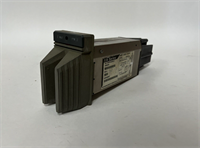
- Product Model: P0961BS (Specific revision of FBM201)
- Manufacturer: Foxboro (Invensys/Schneider Electric)
System: I/A Series Distributed Control System (DCS) - Module Type: FBM201 (Universal Analog I/O)
- Channel Count: Typically 8 channels per module
- Signal Types: Supports Voltage, Current (mA), Resistance, Thermocouple, RTD (configurable per channel or group)
- Isolation: Channel-to-channel or group isolation (depends on specific sub-revision)
- Communication Interface: I/A Series Fieldbus (connects to Node Bus via FCM or FPM)
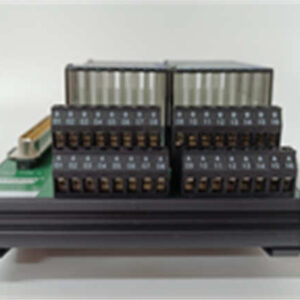
- Mounting: Plugs into P0916xx series Terminal Board/Carrier (e.g., P0916PH)
- Environmental Rating: Industrial grade, 0 to 60 degrees Celsius operating temperature
- Certification: Class I Division 2 (hazardous locations) when installed in approved carriers
System Positioning and Downtime Impact
The P0961BS (FBM201) serves as the workhorse for analog signal acquisition and control output in thousands of legacy I/A Series installations. It acts as the primary interface for critical process variables such as temperature, pressure, flow, and level. In many plants, these modules handle the core regulatory control loops that keep the process stable.
A failure of the P0961BS module results in the immediate loss of all process data and control authority for the eight channels it manages. Depending on the process configuration, this can trigger safety interlocks, force units into manual mode, or cause a complete plant trip if redundant measures are not in place or if the failed points are critical for safety shutdown systems. Because the FBM201 is often paired with older terminal boards that may also be fragile, the repair process involves careful handling of both the module and the carrier. The downtime impact is compounded by the difficulty in sourcing immediate replacements; if a spare is not on hand, the lead time to procure a verified unit from the secondary market can extend outages from hours to days, resulting in substantial financial loss.
Reliability Analysis and Common Failure Points
The FBM201 modules, including the P0961BS revision, were designed for high reliability and many have operated continuously for over two decades. Their continued operation is a testament to the robustness of the I/A Series architecture. However, age-related failures are becoming increasingly common. The primary failure modes are often related to the internal analog conversion circuitry and power regulation components.
Electrolytic capacitors within the module are a known weak point; as they age, they lose capacitance or leak, leading to unstable power rails, noisy signals, or complete module failure. Another frequent issue is the degradation of the input/output protection circuits. Surges from the field side (lightning, motor switching) can击穿 the isolation barriers or damage the analog front-end chips, especially if the grounding system of the plant has degraded over time. Additionally, the backplane connectors on the module can suffer from fretting corrosion or oxidation, causing intermittent communication faults that are difficult to diagnose and often mistaken for software or network issues.
Preventive maintenance for these legacy modules should include regular monitoring of signal quality for noise or drift, which can indicate failing analog components. Thermal imaging can help identify overheating components on the module surface. It is also crucial to ensure the environment is free from excessive humidity and corrosive gases, which accelerate connector corrosion. For critical loops, maintaining a stock of tested spares is the most effective preventive measure.
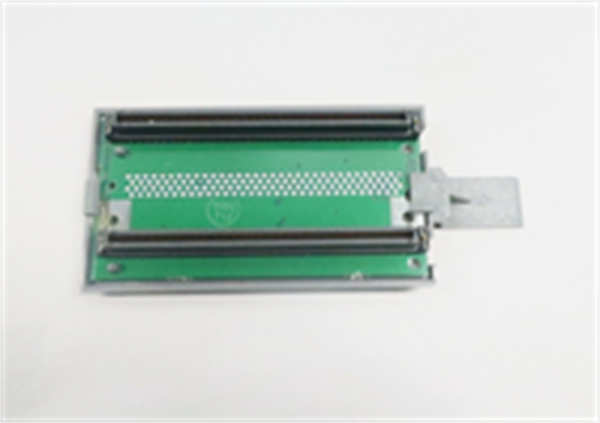
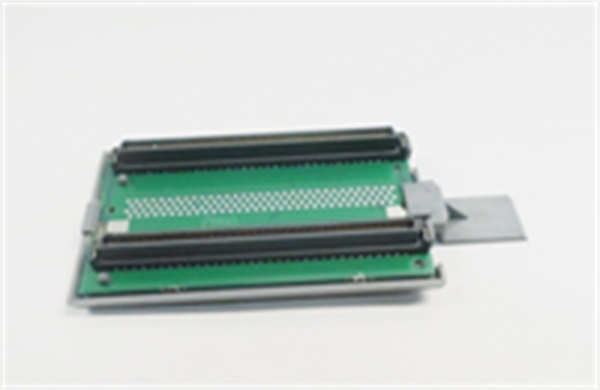
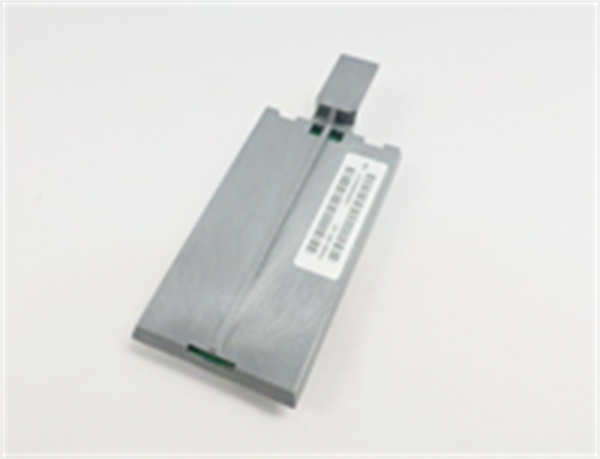
P0961BS FOXBORO
Lifecycle and Migration Strategy
The P0961BS is officially in a “Sustaining” phase, meaning Schneider Electric supports existing installations but does not promote it for new designs. The risk profile for continuing operations with this hardware is elevated due to supply chain constraints. Genuine new-old-stock is rare, and the market is flooded with pulled/refurbished units of varying quality. Prices have risen sharply, and the risk of receiving counterfeit or damaged goods is non-trivial.
For short-term mitigation, facilities should audit their inventory of FBM201 modules, verify the functionality of spares, and consider engaging certified third-party repair vendors who specialize in legacy DCS component repair. These vendors can often replace failed capacitors or damaged ICs, extending the life of the existing hardware. However, this is a temporary fix.
The strategic path forward is migration to the FBM24x series (e.g., FBM241, FBM242), which offers higher density, better diagnostics, and improved immunity to noise while maintaining compatibility with the existing I/A Series node bus architecture in many cases. Schneider Electric provides migration tools and services to facilitate the swap from FBM201 to FBM24x, often allowing the reuse of existing field wiring (though terminal boards may need updating). For a more transformative approach, migrating to the EcoStruxure Process Automation platform offers modern cybersecurity, advanced analytics, and cloud connectivity, though this requires a more extensive overhaul of the control layer. Delaying migration increases the operational risk and the total cost of ownership due to expensive emergency spare procurement.