 Tel:
Tel:  Email:
  WhatsApp:
 Description
Key Technical Specifications (For Spare Part Verification)
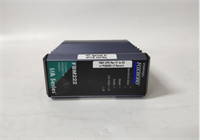
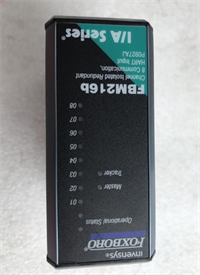
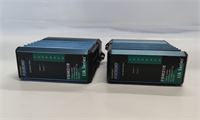
- Product Model: P0924WV
- Manufacturer: FOXBORO (Schneider Electric)
- System Family: I/A Series (Classic architecture, pre-Foxboro Evo)
- Output Voltage: 24 VDC ±2%
- Output Current: Typically 4 A per channel (dual-channel design common)
- Input Voltage: 115/230 VAC auto-ranging or 24–48 VDC (depending on variant)
- Redundancy Support: Designed for N+1 or 1+1 redundant configurations with parallel operation
- Isolation: Reinforced isolation between input, output, and ground (for intrinsic safety compatibility)
- Diagnostic Features: LED indicators for “Power OK,” overcurrent, and fault status
- Mounting: Slide-in module for I/A Series power chassis (e.g., P0914xx backplane)
- Communication Interface: Backplane signaling for system-level health monitoring
System Role and Downtime Impact
The FOXBORO P0924WV is a critical power distribution component in legacy I/A Series DCS installations widely used in oil & gas, chemical, and power generation facilities from the 1980s through early 2000s. It supplies stable 24 VDC to fieldbus segments that connect remote I/O modules—such as analog input cards, digital output terminators, and smart valve positioners. Unlike generic power supplies, the P0924WV is engineered to meet the stringent noise immunity and voltage stability requirements of the I/A Series fieldbus protocol. If it fails, all downstream I/O on its segment becomes unresponsive. In a boiler control application, this could mean loss of flame scanner feedback, feedwater valve position, and drum level signals—triggering a master fuel trip. Even in redundant setups, degradation of one supply increases load on its partner, raising the risk of cascading failure. Recovery requires not only replacement but also re-synchronization of the fieldbus network, often extending downtime.
Reliability Analysis and Common Failure Modes
Despite its industrial heritage, the P0924WV exhibits predictable aging issues due to its analog power electronics design:
- Electrolytic capacitor wear: Primary cause of failure. Capacitors in the output filter degrade over time, leading to increased ripple, voltage droop under load, or thermal shutdown—especially in high-temperature control rooms.
- Transformer insulation breakdown: Repeated thermal stress can compromise winding insulation, causing intermittent shorts or ground faults that trip upstream breakers.
- Connector oxidation: The high-current backplane connectors are prone to oxidation in humid environments, increasing contact resistance and causing localized heating or voltage drop.
- Overload-induced latch-up: Sustained fieldbus short circuits (e.g., from damaged cable) can damage current-limiting circuitry, rendering the module unable to restart after fault clearance.
Preventive maintenance recommendations include:
- Measuring output ripple annually (<150 mVpp acceptable; >300 mVpp indicates imminent failure).
- Verifying redundancy switchover during scheduled outages by simulating a supply disconnect.
- Cleaning ventilation paths and ensuring ambient temperature stays below 45°C.
- Logging “Power OK” status via the I/A Series operator station to detect early anomalies.
Lifecycle Status and Migration Strategy
Schneider Electric has discontinued the P0924WV as part of the broader phase-out of classic I/A Series hardware. It is superseded by modern power solutions in the Foxboro Evo platform, which uses more efficient, digitally monitored power supplies with enhanced diagnostics. No new P0924WV units are produced, and official repair services are no longer available.
Interim Mitigation:
- Secure at least two tested, functionally verified spare units with matching firmware/hardware revision.
- Implement external voltage logging on critical segments to detect early instability.
- Avoid daisy-chaining excessive I/O load on a single P0924WV output.
Migration Path:
The strategic upgrade path is migration to Foxboro Evo, which offers:
- Higher power density and efficiency.
- Integrated health monitoring via Ethernet.
- Compatibility with modern cybersecurity standards.
However, full migration requires:
- Replacement of I/O chassis and fieldbus infrastructure.
- Rewiring or adapter harnesses for existing field devices.
- Reconfiguration of control strategies in Foxboro Evo Engineering Studio.