 Tel:
Tel:  Email:
  WhatsApp:
 Description
Key Technical Specifications (For Spare Part Verification)
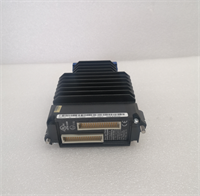
- Product Model: FDC280
- Foxboro Part Number: RH101FQ
- Manufacturer: Foxboro (Schneider Electric)
- System Family: I/A Series (Classic architecture, pre-Fieldbus era)
- Function: Remote I/O controller with local scan engine and serial communication to main processors (e.g., CP60, CP70)
- Communication Interface: Dual redundant Nodebus (proprietary coaxial or twisted-pair fieldbus)
- I/O Capacity: Supports multiple I/O modules (e.g., AI, AO, DI, DO) in local chassis—typically 32–64 points per FDC
- Processor: Embedded real-time CPU with dedicated I/O scanning firmware
- Redundancy: Optional 1:1 hot standby configuration with synchronization link
- Mounting: 19-inch rack-mounted chassis with backplane
- Power Input: Typically 115/230 V AC or 24 V DC (verify label)
- Diagnostics: Front-panel LEDs for Power, Run, Nodebus OK, and Fault status
System Role and Downtime Impact
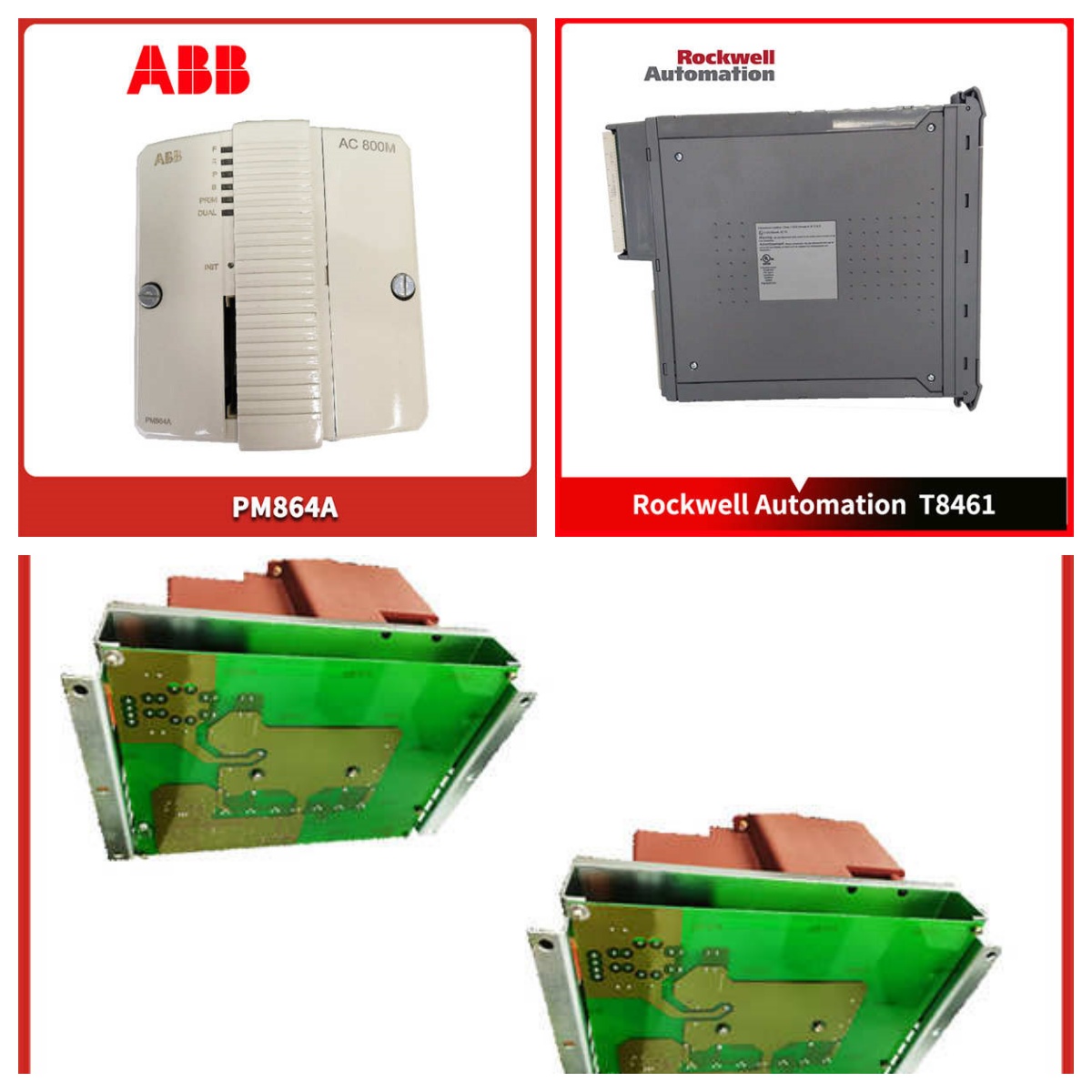
The FDC280 (RH101FQ) is a foundational component in legacy Foxboro I/A Series installations, commonly found in power generation, refining, and chemical processing facilities commissioned between the late 1980s and early 2000s. It resides in remote I/O cabinets near process equipment and executes local I/O scanning, buffering, and communication with central application processors.
In non-redundant configurations—which are prevalent due to historical cost constraints—a single FDC280 failure results in complete loss of all associated analog and digital signals. This leads to:
- Break in regulatory control loops (e.g., boiler drum level, reactor temperature)
- Loss of motor run feedback or valve position confirmation
- False or missing alarms in the operator console
- Potential automatic trip of safety systems due to “signal invalid” logic
Recovery requires physical replacement and re-synchronization with the I/A Series engineering database. Without a verified spare on hand, outages can extend beyond 48–72 hours, especially if original configuration backups are incomplete.
Reliability Analysis and Common Failure Modes
Despite robust industrial design, units operating beyond 20 years exhibit predictable aging issues:
- EPROM/Flash memory degradation: Firmware or configuration stored in non-volatile memory becomes corrupted, causing boot failures or erratic I/O behavior.
- Nodebus transceiver failure: Proprietary fieldbus driver ICs fail due to voltage surges, ground loops, or EMI—common on long cable runs in electrically noisy plants.
- Power supply capacitor aging: Internal filtering capacitors dry out, leading to voltage instability and spontaneous resets under load.
- Backplane connector corrosion: Oxidation on edge connectors increases resistance, causing intermittent communication with I/O modules.
- Battery-backed RAM depletion: On older variants, the backup battery for transient data retention fails, resulting in configuration loss during power interruptions.
Recommended preventive actions:
- Maintain up-to-date backups of FDC configuration using I/A Series Engineering Tools
- Inspect for discoloration, capacitor bulging, or burnt odor during routine cabinet checks
- Monitor system logs for “Nodebus Timeout” or “I/O Scan Error” events
- Store at least two tested spares in climate-controlled, ESD-safe conditions
Lifecycle Status and Migration Strategy
Schneider Electric has officially ended support for the classic I/A Series architecture, including the FDC280. While extended lifecycle services may be available through third parties, no new RH101FQ modules are produced, and factory repair programs have been discontinued.
Short-term risk mitigation includes:
- Sourcing functionally tested units from decommissioned sites or specialized surplus vendors
- Engaging niche service providers capable of board-level repair or firmware recovery
- Implementing external monitoring (e.g., PLC-based watchdog on critical signals) to detect early degradation
The strategic migration path is modernization to Foxboro Evo (Schneider’s current DCS platform), which replaces the FDC280 with Ethernet-based Remote I/O Stations (e.g., FIO22x) supporting:
- Native Modbus TCP, PROFIBUS, and HART integration
- Cybersecurity compliance (IEC 62443)
- Seamless reuse of existing field wiring via terminal block adapters
- Cloud-enabled asset performance management via EcoStruxure
Migration entails:
- Replacing FDC280 cabinets with Evo-compatible I/O nodes
- Converting control logic using Schneider’s I/A to Evo migration tools
- Recommissioning loops and validating alarm/event handling
- Retraining operators on the updated HMI environment