 Tel:
Tel:  Email:
  WhatsApp:
 Description
Key Technical Specifications (For Spare Part Verification)
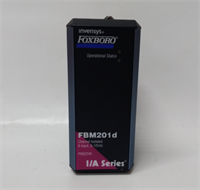
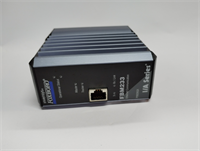
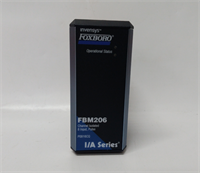
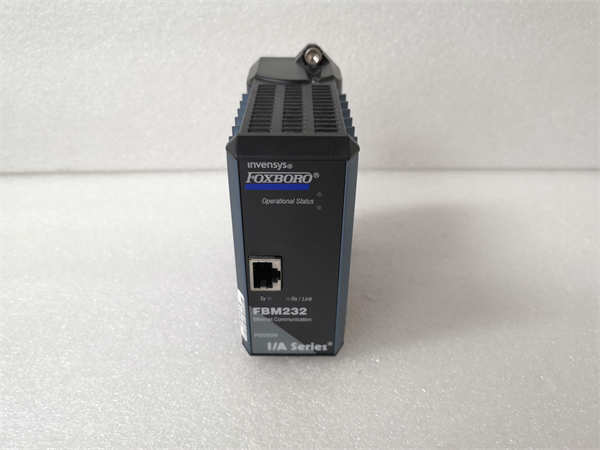
- Product Model: FBM232 P0926GW
- Manufacturer: Foxboro (Schneider Electric)
- System Family: I/A Series Distributed Control System (DCS), typically used with CP60 or CP80 controllers
- Communication Protocol: Foundation Fieldbus H1 (IEC 61158)
- Fieldbus Segment Support: One redundant H1 segment (dual ports for A/B redundancy)
- Power Supply: Powered via FBM backplane; provides intrinsically safe or conventional Fieldbus power to segment (via external power conditioner)
- Data Rate: 31.25 kbps
- Device Capacity: Supports up to 32 field devices per segment (depending on power budget and device type)
- Diagnostics: Basic LED indicators for COMM, POWER, and FAULT; detailed diagnostics accessible via I/A Series Station
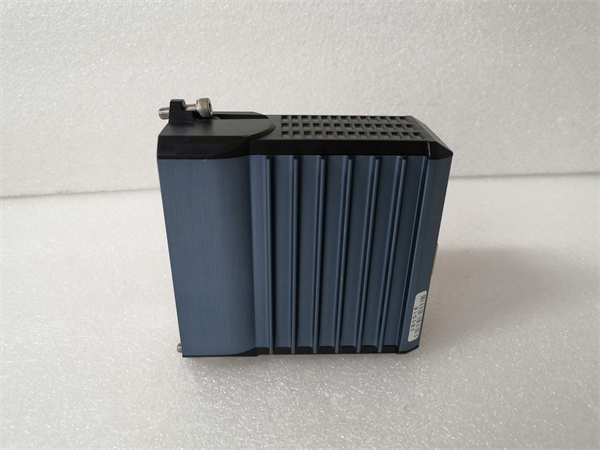
- Mounting: Plugs into standard FBM carrier (e.g., FBM201/207 baseplate) in I/A Series I/O chassis
- Firmware Dependency: Requires matching I/A Series software version (typically v6.x or earlier); newer v8+ systems may not support it
System Role and Downtime Impact
The Foxboro FBM232 serves as the critical communication bridge between the I/A Series control system and smart field instruments operating on Foundation Fieldbus. It manages the H1 segment’s link active scheduler (LAS), handles device configuration, and transfers process data and diagnostics to the controller. In modernized legacy plants—especially in oil & gas, chemicals, and refining—entire skids or units may rely exclusively on Fieldbus for valve control and measurement. If the FBM232 fails and no spare is available, the entire Fieldbus segment goes offline. This results in loss of all associated control loops and alarms, typically forcing affected units into manual mode or complete shutdown. Recovery requires either module replacement or temporary hardwiring of critical devices—an impractical and costly workaround during operation.
Reliability Analysis and Common Failure Modes
Although designed for industrial use, the FBM232 is now vulnerable due to its age and reliance on early-generation digital isolators and communication ASICs. The most common failure mode is segment communication dropout, often caused by degradation of the H1 transceiver circuitry or internal DC/DC converters that power the isolation barrier. A second frequent issue is firmware hang during device commissioning, particularly when interacting with newer Fieldbus devices that use extended parameter sets not anticipated in original firmware. Additionally, backplane connector fatigue from thermal cycling can lead to intermittent power or data errors that are difficult to reproduce.
Design weaknesses include limited diagnostic granularity at the module level and dependence on precise timing circuits prone to drift over time. As a preventive measure, maintenance teams should: (1) monitor Fieldbus signal quality (noise, bias, termination) using a Fieldbus analyzer annually; (2) verify LAS status and device health via I/A Series diagnostics; (3) ensure proper grounding of the Fieldbus shield at a single point; and (4) keep a tested spare FBM232 with matching firmware revision in storage.
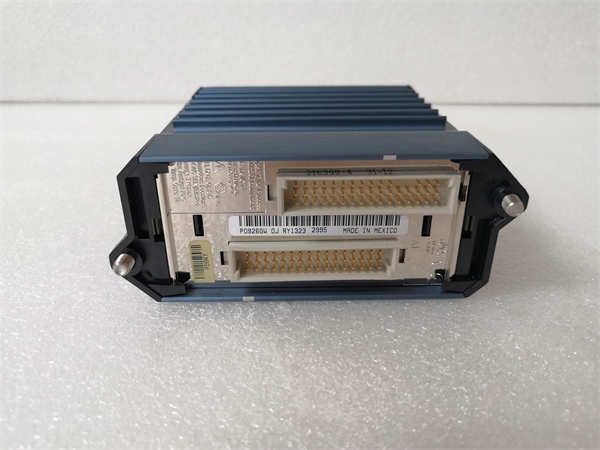
Foxboro FBM232 P0926GW
Lifecycle Status and Migration Strategy
Schneider Electric has formally declared the FBM232 obsolete under its product lifecycle policy. No new units are manufactured, and official technical support is restricted to existing documentation. Continued reliance on this module introduces significant operational risk due to dwindling spares and lack of firmware updates.
Short-term mitigation includes sourcing verified used modules with full functional testing or engaging third-party repair services for board-level rework (e.g., replacing isolators or recapping power circuits). However, the strategic path forward is migration to a supported I/O architecture. Schneider’s recommended approach is to transition to I/A Series v8+ with FBM242 or FBM247 analog/digital I/O, bypassing Fieldbus entirely in favor of conventional 4–20 mA/HART or Ethernet-based solutions. Alternatively, facilities wishing to retain Fieldbus can deploy third-party FF-to-Ethernet gateways (e.g., from Softing or HMS Networks) that interface with modern DCS platforms, though this adds integration complexity.
A full migration requires: (1) replacement of FBM232 modules with conventional I/O or gateway solutions; (2) rewiring or reconfiguration of field devices; and (3) update of control strategies in Composer. While requiring engineering investment, this eliminates single-point obsolescence risk and aligns the system with current cybersecurity and maintainability standards. For sites extending I/A Series life, maintaining a “golden spare” FBM232—pre-tested and stored with firmware backup—is essential for risk mitigation.