 Tel:
Tel:  Email:
  WhatsApp:
 Description
Key Technical Specifications (For Spare Verification)
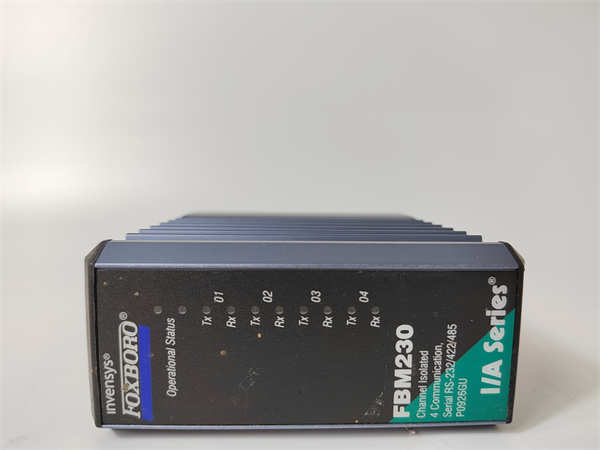
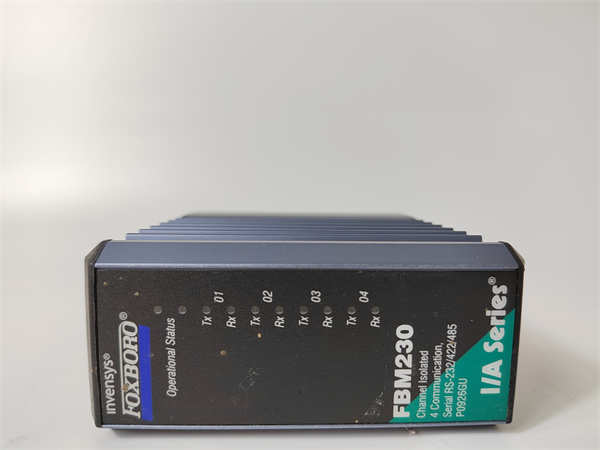
- Product Model: FBM230
- Manufacturer: Foxboro / Schneider Electric
- System Family: I/A Series Distributed Control System (DCS)
- Input Channels: 8 differential, isolated inputs
- Supported Sensor Types: J, K, T, E, R, S, B thermocouples; ±100 mV millivolt signals
- Isolation: 500 V channel-to-channel and channel-to-ground
- Accuracy: ±0.25% of span (typical), including cold-junction compensation
- Update Rate: ~100 ms per channel
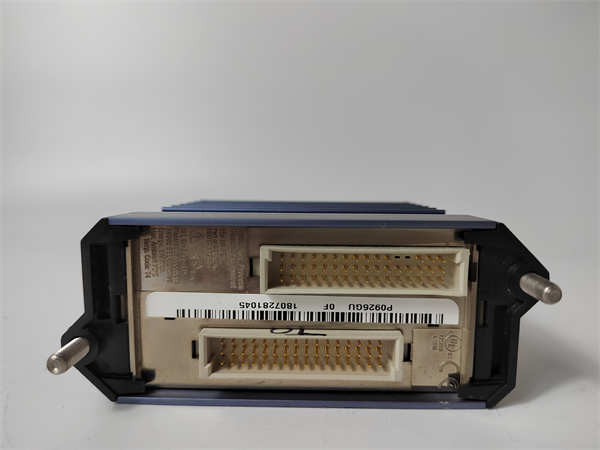
- Mounting: Plug-in module for FBM terminal assemblies (e.g., FTA230)
- Redundancy: Supports redundant configuration with dual FBM230 modules and Y-cable (P0914YV)
System Role and Downtime Impact
The FBM230 serves as a primary temperature measurement interface in Foxboro I/A Series DCS installations, commonly used in boiler control, reactor monitoring, turbine protection, and distillation columns. Each module feeds real-time temperature data to the system’s field control processors (FCPs), enabling closed-loop regulation of combustion, heating, or cooling processes. In non-redundant configurations, failure of an FBM230 results in loss of up to eight critical temperature signals—potentially triggering alarms, forcing manual operation, or initiating automatic shutdowns if safety interlocks are violated. Even in redundant setups, degradation of one module reduces system resilience and complicates troubleshooting during outages. Given the module’s role in safety-critical loops, its unexpected failure can lead to production losses, regulatory reporting events, or equipment damage due to uncontrolled thermal excursions.
Reliability Analysis and Common Failure Points
Although designed for industrial environments, the FBM230 is susceptible to several age-related failure mechanisms:
- Cold-junction sensor drift: The onboard temperature reference (used for thermocouple compensation) degrades over time, introducing offset errors that affect all channels.
- Isolation barrier leakage: Moisture ingress or voltage stress can compromise opto-isolators, leading to ground loops or signal corruption.
- Connector corrosion: Terminal block interfaces (via FTA230) are prone to oxidation in humid or corrosive atmospheres, causing intermittent readings.
- Capacitor aging on internal regulator circuits: Results in unstable internal power rails, manifesting as erratic output or communication timeouts with the FCP.
A key vulnerability is the module’s dependence on precise analog front-end components with no self-diagnostics for sensor health. To mitigate risk, maintenance teams should:
- Perform annual calibration checks using certified thermocouple simulators
- Inspect FTA terminal blocks for signs of corrosion or loose screws
- Verify redundancy cabling integrity and failover behavior during scheduled tests
- Maintain stable ambient temperature in I/O cabinets to reduce thermal stress
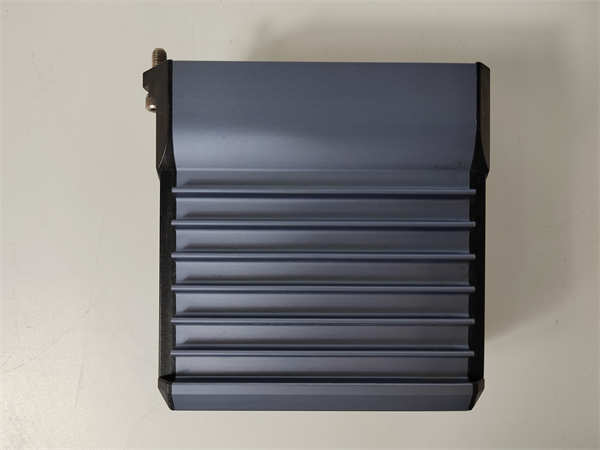
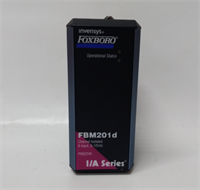
FOXBORO FBM230 P0926GU
Lifecycle Status and Migration Strategy
Schneider Electric has discontinued the FBM230 as part of the broader phase-out of legacy I/A Series hardware. While limited support may exist through extended service contracts, no new units are produced, and factory repair services are increasingly restricted. Continued reliance on this module poses significant operational and compliance risks—particularly in regulated industries where measurement traceability is required.
As a short-term measure, facilities may source tested-used modules from certified resellers or use third-party calibration labs to validate performance—but long-term availability is not assured.
The recommended migration path is to transition to Foxboro Evo or EcoStruxure Hybrid DCS, Schneider’s modernized control platform. This involves replacing legacy FBMs with IOM230 or equivalent temperature input modules in new I/O carriers, while retaining field wiring through adapter terminals. The upgrade enables:
- Seamless integration with modern operator workstations and historian systems
- Enhanced cybersecurity features and remote diagnostics
- Support for digital protocols like HART and Foundation Fieldbus
- Continued access to firmware updates and global technical support
While requiring engineering effort for logic re-hosting and I/O mapping, this migration eliminates obsolescence exposure and aligns aging infrastructure with current operational technology standards.