 Tel:
Tel:  Email:
  WhatsApp:
 Description
Technical Specifications (For Spare Parts Verification)
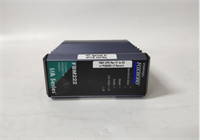
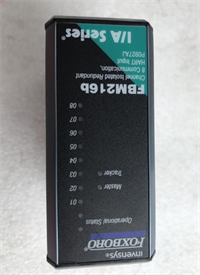
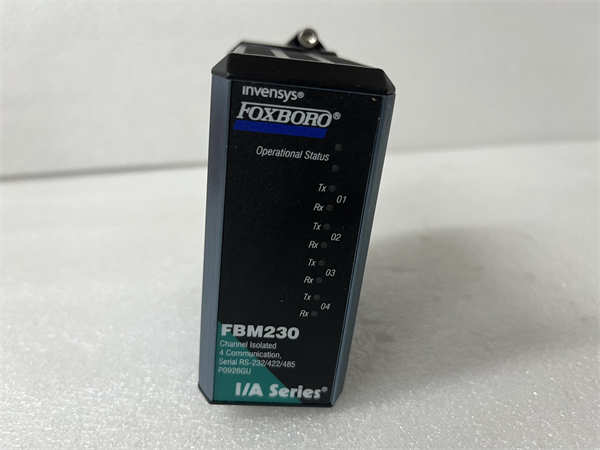
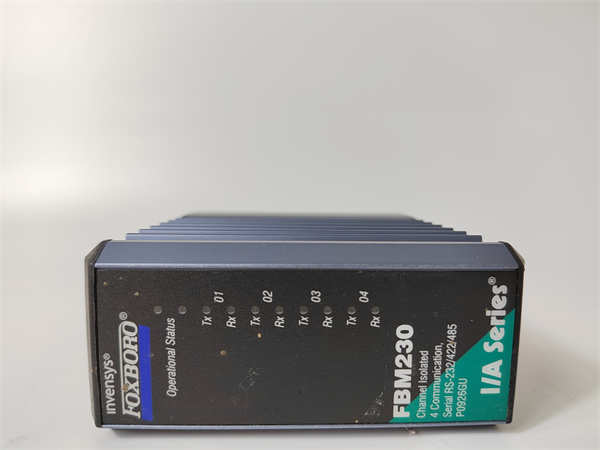
- Product Model: FBM230
- Full Part Number: P0926GU
- Manufacturer: FOXBORO (Schneider Electric)
- System Family: I/A Series DCS (typically CP60/CP80 era, 1990s–2000s)
- Input Type: Sinking (NPN-compatible), 24 VDC nominal
- Number of Channels: 16
- Input Voltage Range: 15–30 VDC
- Input Current: ~4 mA per channel at 24 VDC
- Isolation: Channel-to-system ground via optical isolation
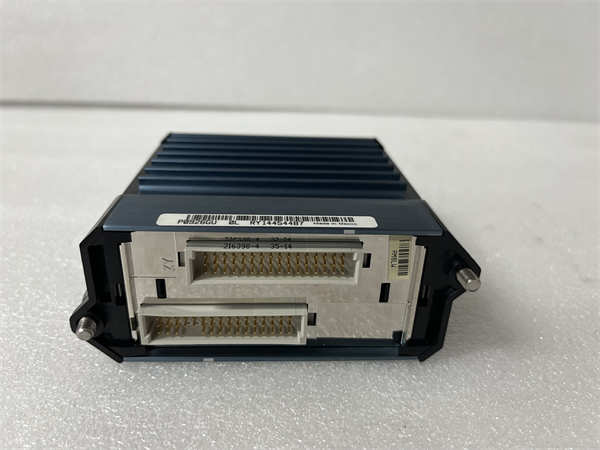
- Backplane Interface: Proprietary FOXBORO FBM bus (connects to FBM terminal blocks and carrier)
- Diagnostic Capability: Basic module-level fault indication (no per-channel diagnostics)
- Mounting: Plug-in module into FBM carrier (e.g., FBM01/02 base)
System Role and Downtime Impact
The FBM230 serves as a critical data acquisition point in legacy FOXBORO I/A Series DCS installations, commonly found in oil & gas, power generation, and chemical processing facilities. It converts field discrete signals—such as motor running status, limit switch positions, or fire/gas alarm contacts—into digital data for the control processors (CPs). In these tightly integrated systems, the FBM230 typically has no redundancy at the module level. A failure (e.g., due to internal circuit degradation or communication loss with the carrier) causes all 16 channels to report invalid or frozen states, which can trigger false alarms, disable interlocks, or cause operators to lose situational awareness. In safety-instrumented functions that rely on discrete feedback (even if not formally SIL-rated), such failures may compromise procedural safety responses.
Reliability Analysis and Common Failure Modes
After decades of service, the FBM230 is prone to age-related component failure. The most prevalent issue is optocoupler degradation in the input isolation circuitry, leading to high channel impedance, signal dropout, or complete channel failure—often intermittent and temperature-dependent.
Other frequent failure modes include:
- Electrolytic capacitor aging in the local DC/DC converter, causing voltage instability and module resets
- Corrosion or oxidation on edge connector pins, resulting in poor mating with the FBM carrier and communication errors
- Latch-up or ESD damage from unprotected field wiring, especially in plants without modern surge suppression
A significant design limitation is the absence of per-channel diagnostics or health monitoring. The module provides only a general “OK” LED; troubleshooting requires external signal injection and DCS database cross-checking. Additionally, the proprietary FBM architecture prevents direct substitution with third-party I/O without extensive system re-engineering.
Recommended preventive actions:
- Perform periodic functional tests by simulating field inputs and verifying DCS tag updates
- Inspect and clean edge connectors during maintenance outages
- Ensure all field devices are properly grounded and use shielded, twisted-pair cabling
- Maintain a verified spare unit with known-good test records
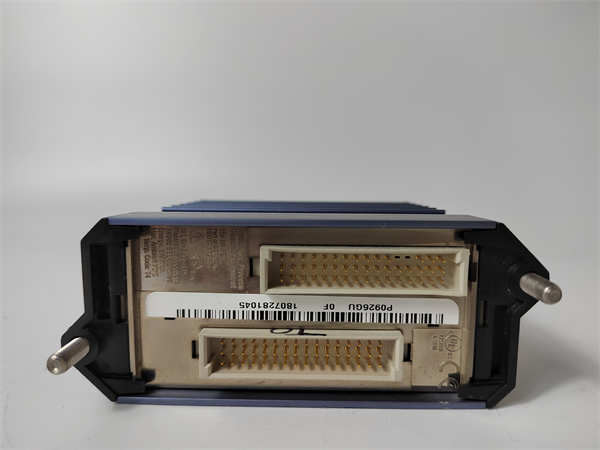
FOXBORO FBM230 P0926GU
Lifecycle Status and Migration Strategy
While Schneider Electric continues to support the I/A Series platform under extended lifecycle programs, the FBM230 (P0926GU) is no longer manufactured. Official support is limited to repair services, refurbished units, or migration assistance. Continued use carries escalating risk due to diminishing spare availability and rising costs.
Short-term mitigation includes:
- Enrolling in Schneider’s legacy hardware support programs for access to tested spares
- Using board-level repair specialists with FOXBORO expertise for component replacement
- Implementing external signal monitoring (e.g., PLC shadowing) for critical inputs
Long-term, the strategic path is migration to I/A Series Electronic Remote I/O (ERIO) or Foxboro Evo DCS. Recommended modern equivalents:
- FBM242 (16-channel digital input, enhanced diagnostics, compatible with newer carriers)
- Foxboro Evo DI810 modules (for full platform upgrade)
Migration preserves existing I/O wiring through terminal block reuse in many cases and delivers improved reliability, cybersecurity compliance, and integration with modern asset management systems. For facilities operating multiple legacy FBMs, prioritizing units handling safety-critical or high-impact process signals ensures optimal risk reduction per investment.