 Tel:
Tel:  Email:
  WhatsApp:
 Description
Key Technical Specifications (For Spare Parts Verification)
- Product Model: 85UVF1-1QD
- Manufacturer: Fireye Inc. (Honeywell)
- System Platform: Standalone UV flame detection for gas, oil, or dual-fuel burners
- Spectral Response: Ultraviolet range (180–260 nm), insensitive to visible light and infrared radiation
- Output Signal: Relay contact closure (flame present = closed)
- Operating Voltage: 115/230 VAC, 50/60 Hz (integral power supply)
- Viewing Angle: Approximately 5° field of view
- Housing Material: Cast aluminum with high-temperature glass lens
- Temperature Rating: Ambient up to 71°C (160°F); higher with optional air purge or cooling jacket
- Connection: ½” NPT conduit entry
- Approvals: FM, CSA, CE (depending on variant)
System Role and Downtime Impact
The Fireye 85UVF1-1QD is typically mounted directly on boiler fronts, process heaters, or thermal oxidizers to provide real-time confirmation of flame presence to a flame safeguard controller (e.g., Honeywell R4180, Siemens LFL). It functions as a critical safety input in the burner management logic: if flame is lost during operation, the scanner’s relay opens, signaling the controller to immediately shut off fuel valves. Because it operates without external power conditioning or signal processing, its reliability is paramount. A failed or degraded 85UVF1-1QD may either “fail safe” (indicating no flame when flame is present—causing nuisance trips) or, more dangerously, “fail dangerous” (indicating flame when none exists—allowing unignited fuel to accumulate). In high-availability facilities such as refineries, chemical plants, or district heating stations, either failure mode can trigger full furnace shutdowns or violate NFPA 85/86 safety codes, resulting in production loss, regulatory penalties, or safety incidents.
Reliability Analysis and Common Failure Modes
Although designed for harsh environments, the 85UVF1-1QD is vulnerable to several age-related failure mechanisms. The most common issue is degradation of the internal UV-sensitive tube (typically a gas-filled Geiger-Müller type), which loses sensitivity over time due to cathode fatigue or gas contamination—leading to delayed response or complete blindness to flame. Lens fouling from soot, oil mist, or condensation further reduces signal strength, especially in dirty or humid applications. The integral relay contacts are also prone to oxidation or welding after years of cycling, causing output signal errors. A key design limitation is the lack of self-diagnostics; unlike modern scanners with health monitoring, this unit provides no indication of reduced sensitivity until it fails outright. For preventive maintenance, technicians should perform quarterly visual inspections of the lens, conduct functional flame tests during burner startups, and verify relay continuity with a multimeter. Installing an air purge kit (if not already present) significantly extends service life by keeping the lens clean and cooling the housing.
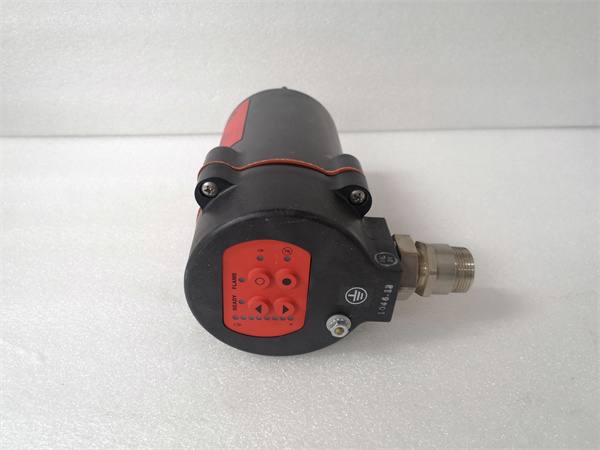
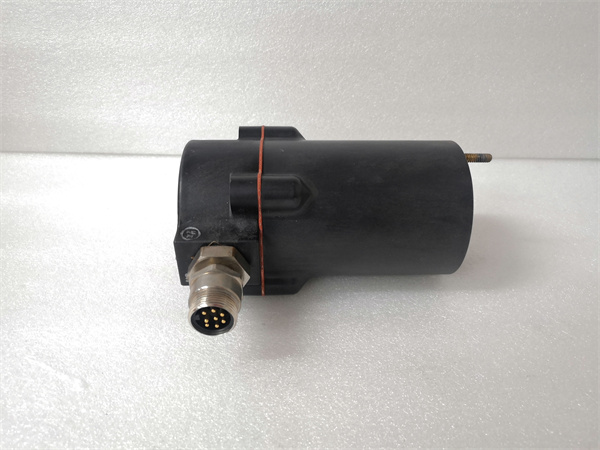
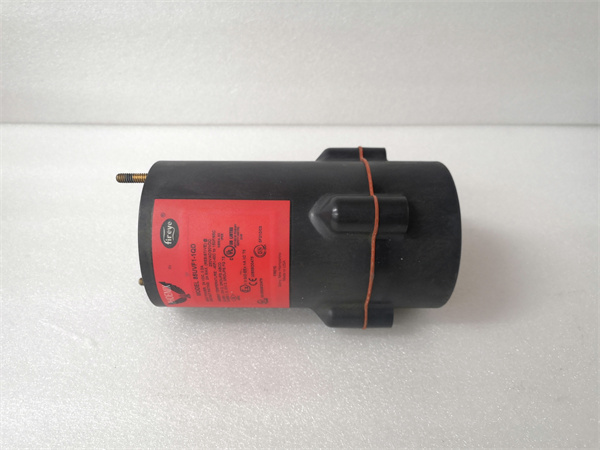
FIREYE 85UVF1-1QD
Lifecycle Status and Migration Strategy
Honeywell has discontinued the 85UVF1 series as part of its legacy product rationalization. No new units are available through official distribution, and remaining inventory consists of old stock with unknown storage conditions—increasing the risk of premature field failure. Continued use carries substantial safety and compliance risk, particularly in regulated industries. As a short-term measure, some users source NOS (new old stock) units with full bench testing, but this is not sustainable. The recommended migration path is to replace the 85UVF1-1QD with Honeywell’s current-generation Fireye 95UVF1 or 95IRF1 scanners. The 95UVF1 offers direct mechanical and electrical compatibility in many installations, features improved UV tube longevity, and includes built-in self-check diagnostics. For applications with high background IR (e.g., hot refractory), the dual-spectrum 95IRF1 (IR/UV) provides superior false-alarm immunity. Migration typically requires only minor wiring adjustments and re-validation of the flame safeguard logic—no full BMS overhaul. Facilities should prioritize replacement during scheduled outages to avoid emergency failures and ensure ongoing compliance with combustion safety standards.