 Tel:
Tel:  Email:
  WhatsApp:
 Description
Technical Specifications (For Spare Part Verification)
- Product Model: VE3008
- Manufacturer: EMERSON Automation Solutions (formerly part of Fisher-Rosemount)
- System Platform: DeltaV Distributed Control System (versions prior to v14)
- Module Type: Serial Interface Card (SIC)
- Communication Ports: One DB9 connector supporting RS-232 or RS-485 (software-selectable)
- Data Rate: Up to 115.2 kbps
- Protocol Support: Modbus RTU, ASCII, and custom serial protocols via DeltaV Serial Interface Service
- Power Source: +5 V DC from DeltaV I/O carrier backplane
- Mounting: Requires dedicated I/O carrier (e.g., M-Series or S-Series chassis)
- Diagnostic Indicators: LED status for power, transmit, receive, and fault
- Firmware Dependency: Requires compatible DeltaV workstation software (e.g., DeltaV Explorer v12.x or earlier)
- Redundancy: Not supported—single point of failure for connected serial devices
System Role and Downtime Impact
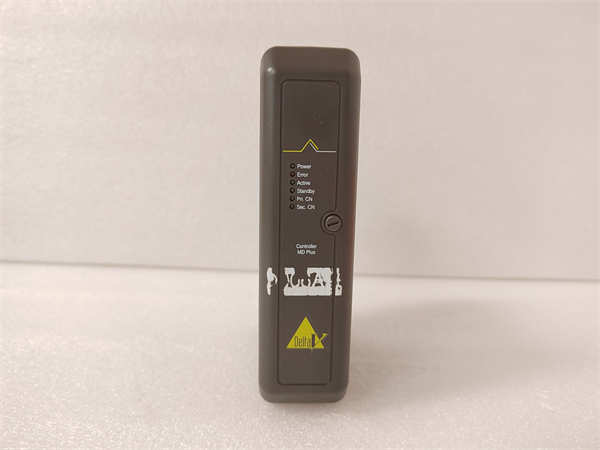
The EMERSON VE3008 serves as a critical bridge between the DeltaV control system and non-native field instruments that rely on serial communication—common in refineries, chemical plants, and water treatment facilities where legacy analyzers, chromatographs, or third-party subsystems remain in service. It is typically installed in remote I/O cabinets and configured to poll devices cyclically, converting raw serial data into DeltaV tags for use in control logic or operator displays. If the VE3008 fails, all connected serial devices become invisible to the control system. This can lead to loss of critical process variables (e.g., pH, oxygen content, or composition), forcing operators into manual mode or triggering safety interlocks due to missing data. In continuous processes, this may result in product quality deviations, regulatory reporting gaps, or unplanned shutdowns.
Reliability Analysis and Common Failure Modes
The VE3008’s reliability is primarily compromised by its reliance on aging surface-mount components and exposure to electrical transients on long serial cables. The most common failure mode is damage to the RS-485 transceiver IC due to ground potential differences or lightning-induced surges—often manifesting as intermittent communication or complete port lockup. Another frequent issue is firmware corruption during unexpected power loss, especially in systems without proper UPS backup, causing the module to enter a “boot loop” or fail to initialize. The module also lacks galvanic isolation on its serial port, making it vulnerable to ground loops in multi-building installations. For preventive maintenance, technicians should install external surge suppressors on serial lines, verify grounding integrity, and avoid daisy-chaining multiple devices without proper termination. Regular backup of serial device configuration files in DeltaV is also recommended to accelerate recovery.
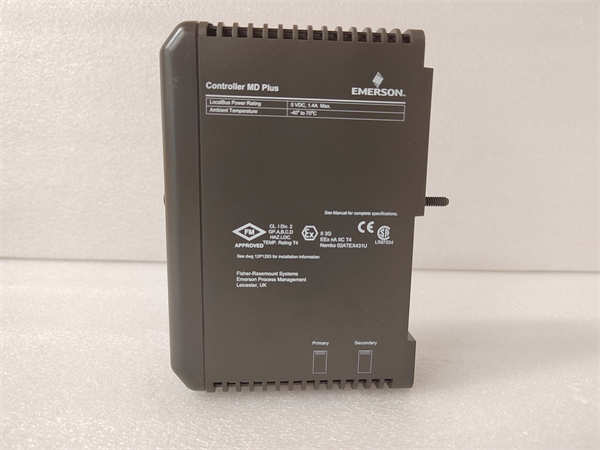
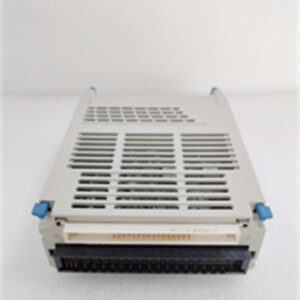
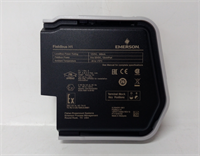
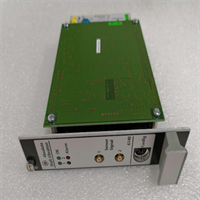
EMERSON VE3008
Lifecycle Status and Migration Strategy
EMERSON has formally discontinued the VE3008, with end-of-sale announced years ago and no official replacement offered. Continued use presents escalating risks: spare units are increasingly rare, technical documentation is archived, and newer DeltaV versions (v14+) offer limited or no driver support. As a temporary measure, facilities may source tested, refurbished modules or implement external protocol gateways (e.g., third-party Modbus-to-Fieldbus converters) to bypass the VE3008—but these add complexity and new failure points. The strategic path is to eliminate dependency on serial interfaces entirely by upgrading field devices to HART, Foundation Fieldbus, or Ethernet-based alternatives. Where upgrades are impractical, EMERSON recommends migrating to the DeltaV SIS or CHARMs-based architecture with modern I/O solutions that support secure, isolated serial communication via CHARM I/O cards (e.g., with embedded serial options) or virtualized I/O servers. This transition requires re-engineering I/O assignments and updating control narratives but delivers long-term reliability, cybersecurity compliance, and reduced lifecycle costs.