 Tel:
Tel:  Email:
  WhatsApp:
 Description
Technical Specifications (For Spare Part Verification)
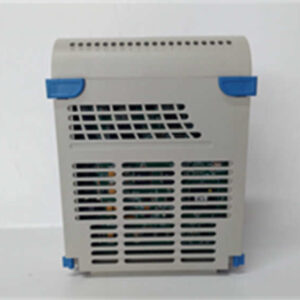
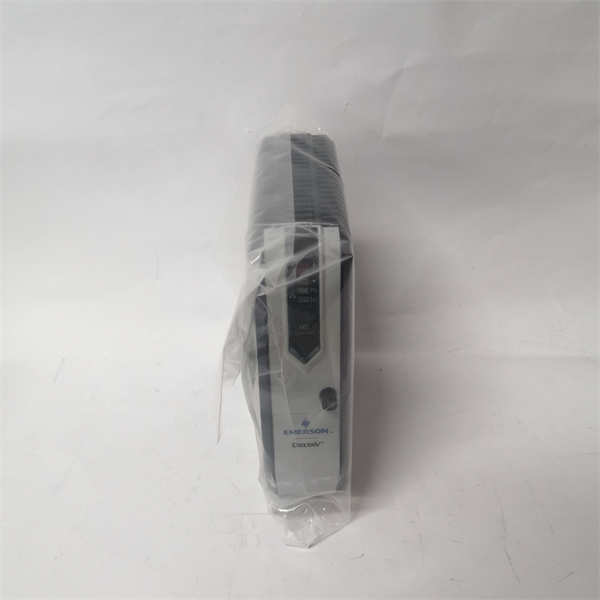
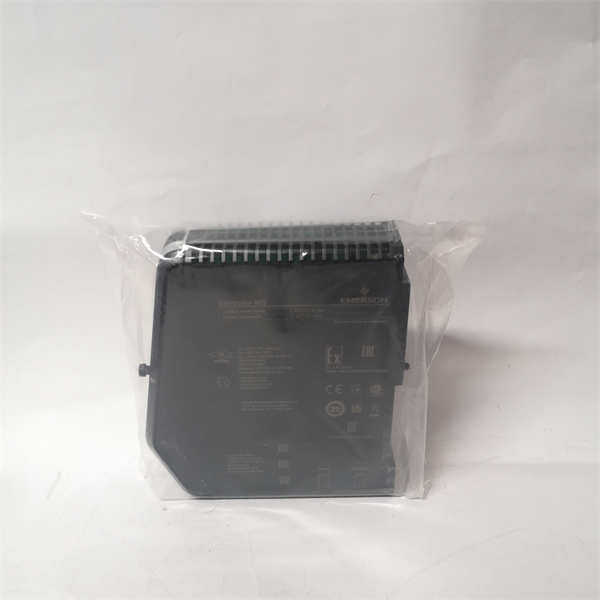
- Product Model: SE3008
- Manufacturer: EMERSON
- System Family: DeltaV M-series I/O (used with M1/M2 I/O carriers)
- Module Type: Serial communication interface (point-to-point or multi-drop)
- Physical Interface: DB9 or terminal block for RS-232 / RS-485 (configurable via DIP switches)
- Supported Protocols: Modbus RTU, ASCII, custom serial protocols (user-defined in DeltaV control modules)
- Baud Rate Range: 300 bps to 115.2 kbps
- Power Supply: Powered via DeltaV M-series I/O carrier backplane
- Diagnostic Indicators: LEDs for power, transmit, receive, and fault status
- Configuration Tool: DeltaV Explorer (requires compatible DeltaV version, typically v10–v13)
- Mounting: Plugs into standard M1 or M2 I/O carrier module
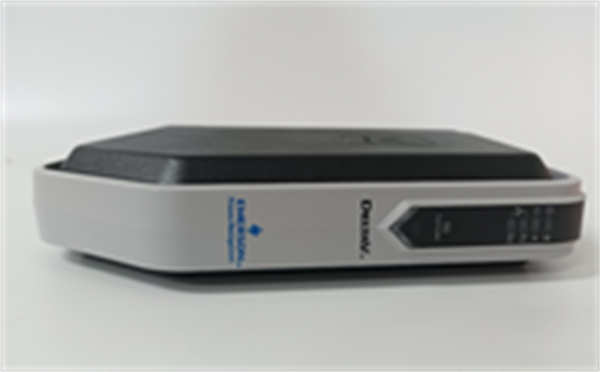
System Role and Downtime Impact
The SE3008 serves as a bridge between the DeltaV control system and external devices that lack native digital fieldbus connectivity. Typical applications include reading oxygen or pH values from standalone analyzers, exchanging setpoints with legacy PLCs in auxiliary boiler systems, or communicating with remote telemetry units (RTUs) in water distribution networks. While not part of the core safety or regulatory control loops, loss of this module can disable critical monitoring functions—such as stack emissions reporting or feedwater chemistry control—triggering compliance alerts or forcing manual sampling. In facilities where multiple legacy devices depend on a single SE3008, a failure can cascade into operational blind spots across several subsystems, often requiring temporary workarounds like portable data loggers until the module is replaced.
Reliability Analysis and Common Failure Modes
Despite its robust industrial design, the SE3008 is now prone to age-related failures. The most frequent issue is degradation of the RS-485 transceiver ICs due to repeated exposure to ground potential differences or ESD events—common in plants with long cable runs and inadequate shielding. This manifests as intermittent communication dropouts or complete port lockup. Another common failure mode involves corruption of the module’s configuration memory during unexpected power loss, causing it to revert to default settings or become unresponsive to the I/O carrier. A known vulnerability is the reliance on surface-mount electrolytic capacitors near the power regulation circuit; these dry out over time, leading to voltage instability under load.
Recommended preventive maintenance includes:
- Verifying proper grounding of both DeltaV chassis and field device enclosures to minimize ground loops
- Inspecting terminal blocks for corrosion or loose connections during routine panel checks
- Backing up the module’s serial protocol configuration in DeltaV regularly
- Maintaining at least one tested spare unit in static-shielded, climate-controlled storage
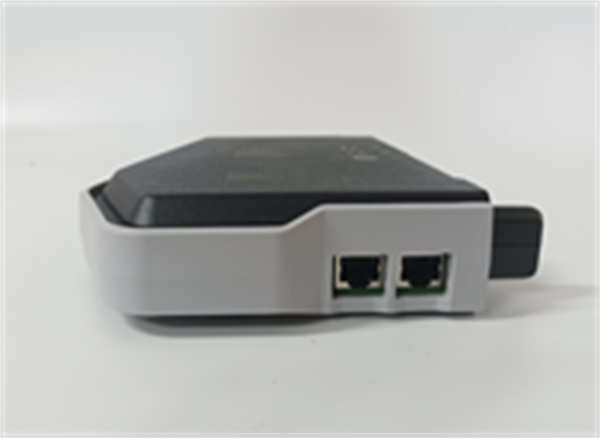
EMERSON SE3008 KJ2005X1-MQ2 13P0072X082
Lifecycle Status and Migration Strategy
Emerson has formally discontinued the SE3008, with no factory-new replacements available. Continued use introduces significant risk: spares are scarce, technical documentation is archived, and newer DeltaV versions (v14+) may lack full driver compatibility. Short-term mitigation includes sourcing vetted surplus stock or using third-party repair services capable of replacing failed transceivers and reprogramming firmware.
The strategic migration path involves eliminating dependency on serial interfaces altogether. Recommended approaches include:
- Replacing legacy analyzers or PLCs with FOUNDATION Fieldbus, HART, or Modbus TCP-enabled devices
- Deploying serial-to-Ethernet gateways (e.g., HMS Anybus, Red Lion N-Tron) that convert RS-485 to Modbus TCP, allowing integration via DeltaV’s native Ethernet I/O (e.g., EIO or CHARMs)
- Using DeltaV SIS or embedded OPC UA clients to pull data from modern edge devices
For sites retaining serial devices, implementing a “protocol server” architecture—where a dedicated industrial PC runs a serial concentrator application and exposes data via OPC UA to DeltaV—can centralize legacy integration while isolating obsolescence risk. However, the long-term goal should be full retirement of serial-dependent subsystems to reduce cybersecurity exposure, improve diagnostics, and align with Emerson’s roadmap toward fully IP-based automation.