 Tel:
Tel:  Email:
  WhatsApp:
 Description
Key Technical Specifications (For Spare Parts Verification)
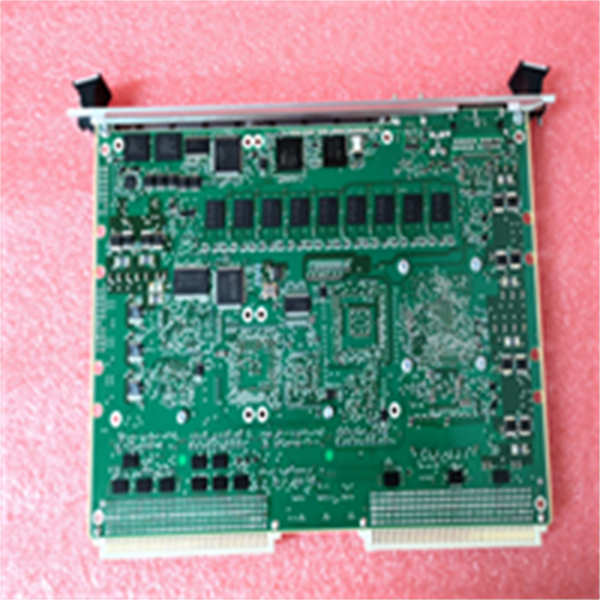
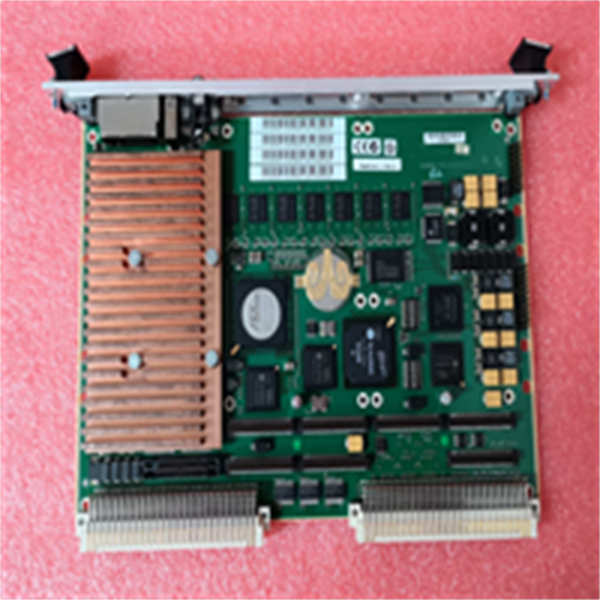
- Product Model: MVME7100-0171
- Manufacturer: EMERSON (formerly Motorola Computer Group)
- System: VMEbus Embedded Computing
- Processor: Dual-core PowerPC e600 (MPC864xD)
- Processor Speed: Up to 1.3 GHz
- Memory: Up to 2 GB DDR2 ECC SDRAM
- Storage: 128 MB NOR Flash, 2/4/8 GB NAND Flash
- VMEbus Interface: 2eSST (up to 320 MB/s)
- Ethernet: 4x Gigabit Ethernet ports
- Operating Temperature: -40°C to +85°C (Extended)
- Form Factor: 6U VME (233mm x 160mm)
- Power Requirement: +5V @ 25-35W
System Positioning & Downtime Impact
The EMERSON MVME7100-0171 is a critical component in the core processing layer of embedded control systems. It functions as the main CPU, typically installed in a VMEbus chassis as the system controller. Its failure directly results in the loss of all computational and control functions, leading to immediate and complete system shutdown. In applications such as industrial process control, military systems, or medical imaging, its failure halts critical operations, causing significant production loss or operational downtime. Given its status as an obsolete component, unplanned downtime can be prolonged, as sourcing a direct replacement may take weeks or even months.
Reliability Analysis & Common Failure Points
- Common Failure Modes: The most frequent failure points in this generation of embedded SBCs are related to power supply and memory. The DDR2 memory modules are susceptible to data corruption due to aging, especially in high-temperature environments. The on-board electrolytic capacitors in the power regulation section are known to degrade over time, leading to voltage instability or complete board failure. The VMEbus interface connectors can also suffer from corrosion or pin damage due to frequent insertion/removal in harsh environments.
- Design Weaknesses: This model’s design is based on older DDR2 memory technology, which has a limited lifespan compared to modern DDR4. The board’s power design is sensitive to incorrect voltage jumper settings; applying 12V to a board jumpered for 5V can instantly destroy the processor. It also lacks the advanced surge protection found in modern industrial controllers, making it vulnerable to power transients.
- Preventive Maintenance Recommendations: For units still in service, implement a rigorous preventive maintenance schedule. This includes regular cleaning of air vents and heat sinks to prevent dust accumulation, checking for loose or corroded connectors, and monitoring the system for ECC memory errors. It is critical to verify the flash health monthly using Emerson’s Flash Monitor tool; replace the module if bad blocks exceed 5% to prevent data loss. Ensure the rack’s power supply matches the board’s jumper settings (5V or 12V) to avoid catastrophic failure.
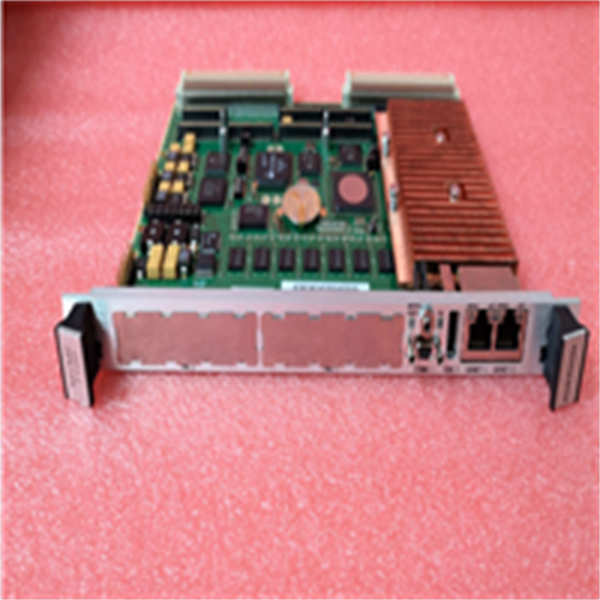
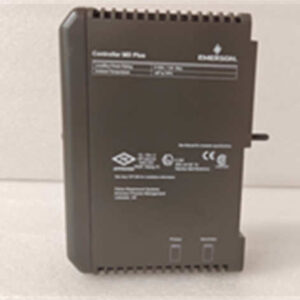
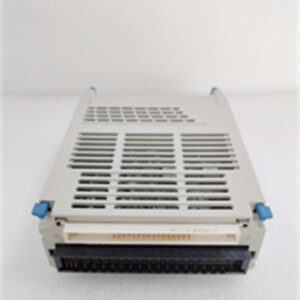
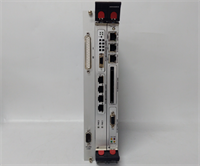
MVME7100-0171 EMERSON
Lifecycle & Migration Strategy
- Official Status & Risk: The EMERSON MVME7100-0171 is confirmed to be an obsolete product, with manufacturing support having ended. Continuing to rely on this model carries high operational risk. The primary risks include the complete unavailability of new parts, extreme price inflation for remaining NOS (New Old Stock) or refurbished units, and the lack of manufacturer technical support for troubleshooting complex issues.
- Temporary Solutions: In cases where immediate system replacement is not feasible, the only temporary solution is to source components from the secondary market or engage with specialized industrial automation repair services that can perform board-level repairs. This may involve replacing failed capacitors, reflowing BGA chips, or reprogramming flash memory. However, this approach is costly and does not guarantee long-term reliability, as the core components (e.g., processor, memory chips) are also end-of-life.
- Migration/Replacement Path: The recommended strategy is a full system migration to a modern embedded computing platform, such as Emerson’s later VMEbus offerings (e.g., MVME8100 series) or a transition to a more modern form factor like VPX or CompactPCI. The migration process is complex and will require re-engineering the system architecture, updating the operating system and application software, and potentially replacing the entire chassis and backplane. The long-term benefits of reduced downtime, improved performance, and lower energy consumption justify the capital investment in a replacement system.