 Tel:
Tel:  Email:
  WhatsApp:
 Description
Key Technical Specifications (For Spare Parts Verification)
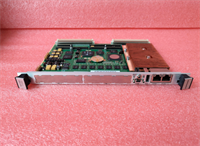
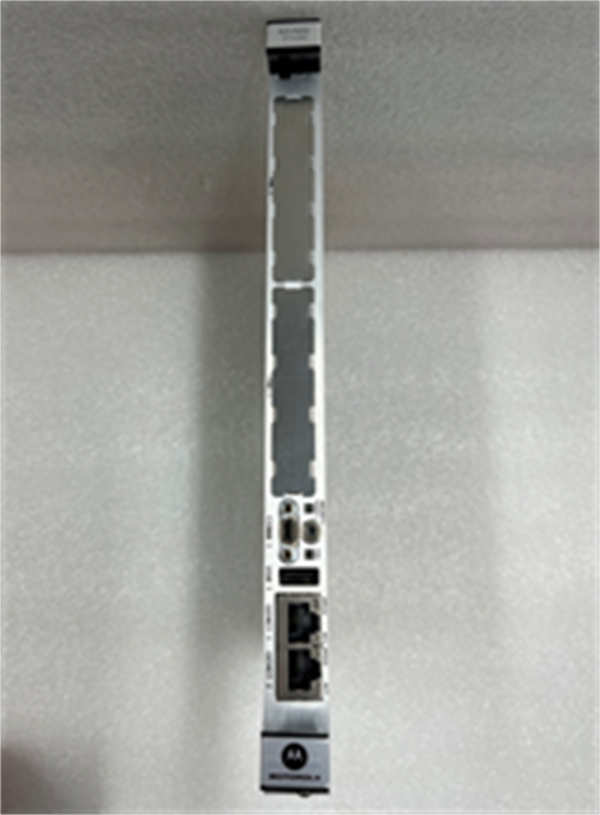
- Product Model: MVME7100
- Manufacturer: Emerson
- System: VMEbus Embedded Control
- Processor: Freescale PowerPC 8641D (Dual-Core, 1.0 GHz or 1.33 GHz)
- Memory: 2GB DDR2 ECC SDRAM (Expandable to 4GB)
- Bus Interface: VME64x (Up to 320 MB/s Transfer Rate)
- I/O Ports: 2x Gigabit Ethernet, 2x RS-232/485, 4x USB 2.0, 2x SATA
- Operating Temperature: -40°C to +85°C
- Form Factor: 6U VME Single-Board Computer (233.35mm x 160mm)
- Power Consumption: 25W Typical, 35W Maximum
System Positioning & Downtime Impact
The MVME7100 typically serves as the central processing unit in legacy VMEbus racks, often controlling critical processes in power generation (turbine control), industrial automation, or defense systems. Its failure is catastrophic, as it is the “brain” of the control system. A failure results in a complete loss of control logic, data acquisition, and communication, leading to immediate and total system shutdown. In critical infrastructure like power plants, this can cause millions in lost revenue and safety incidents, making it a high-priority spare part.
Reliability Analysis & Common Failure Points
- Common Failure Modes: The most frequent failures are related to aging components. The electrolytic capacitors on the power supply section are prone to drying out and failing after 10+ years of operation, leading to boot failures or instability. The NAND flash memory has a finite write cycle limit; constant logging can wear it out, causing boot errors. The VMEbus edge connector pins can oxidize or become damaged from thermal cycling, leading to intermittent communication with I/O cards.
- Weak Links: The design relies on DDR2 memory technology, which is now obsolete and difficult to source for repairs. The board is sensitive to electrostatic discharge (ESD) during handling. The lack of modern cybersecurity features (e.g., secure boot) makes it vulnerable to malware if connected to modern networks.
- Preventive Maintenance Recommendations:
- Thermal Management: Ensure forced-air cooling is functional; clean dust from the CPU heatsink and chassis fans quarterly to prevent thermal throttling.
- Flash Health: Use Emerson’s Flash Monitor tool to check for bad blocks; replace the module if bad blocks exceed 5%.
- Connector Inspection: Periodically inspect and clean the VMEbus edge connector to prevent signal integrity issues.
- Power Supply Check: Verify the rack’s power supply voltages match the module’s jumper settings (5V/12V) to avoid frying the processor.
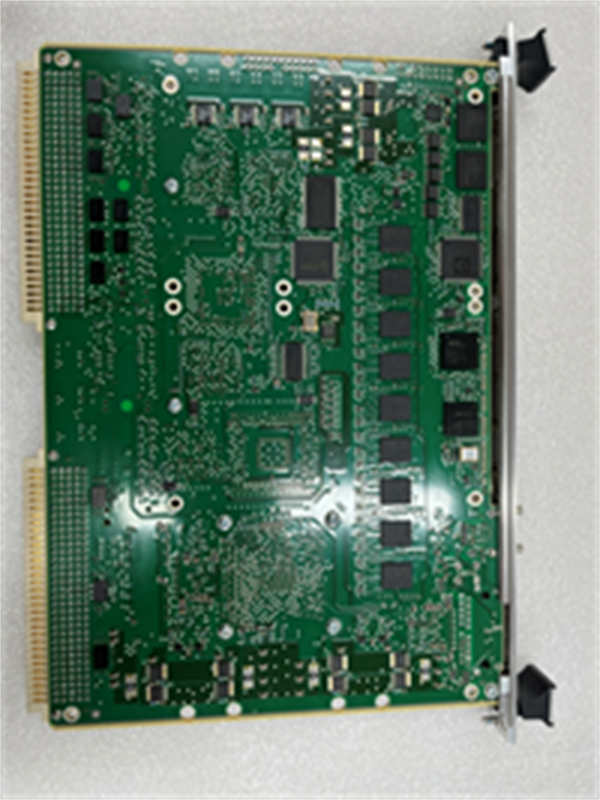
MVME7100 EMERSON
Lifecycle & Migration Strategy
- Official Status & Risk: The MVME7100 is considered an obsolete product. The primary risk is the unavailability of new replacement units. Sourcing is limited to secondary markets, where prices are volatile and quality is inconsistent. Technical support from the manufacturer is limited, and firmware updates are no longer available, leaving systems exposed to security vulnerabilities.
- Temporary Solutions: In the short term, the only option is to procure refurbished or “new old stock” (NOS) units from specialized suppliers. It is critical to keep a pre-configured spare on-site for rapid replacement. For minor failures, board-level repair by specialized technicians can extend life, but this is becoming increasingly difficult due to component obsolescence.
- Migration/Replacement Path: The official migration path from Emerson is to transition to modern embedded controllers based on Intel x86 or ARM architectures, such as Emerson’s PACSystems RX3i or newer VMEbus-compatible SBCs with updated processors. This migration is not a simple drop-in replacement; it requires a complete system redesign, including rewriting control logic for a new operating system (e.g., from VxWorks to a modern Linux RTOS) and potentially replacing I/O modules to interface with the new backplane. The project involves significant engineering effort but is necessary for long-term system viability.