 Tel:
Tel:  Email:
  WhatsApp:
 Description
Key Technical Specifications (For Spare Part Verification)
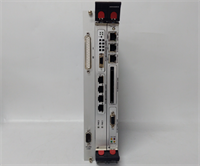
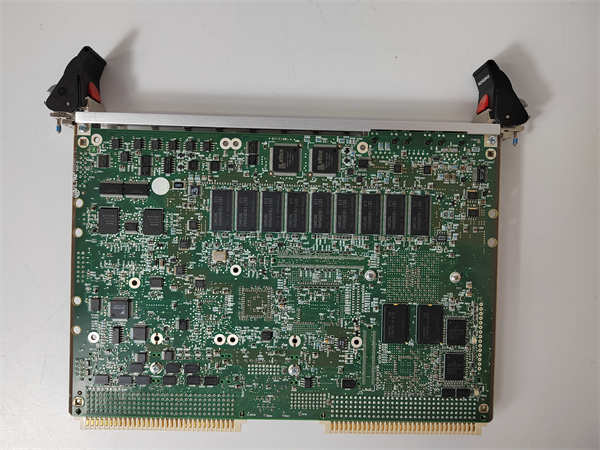
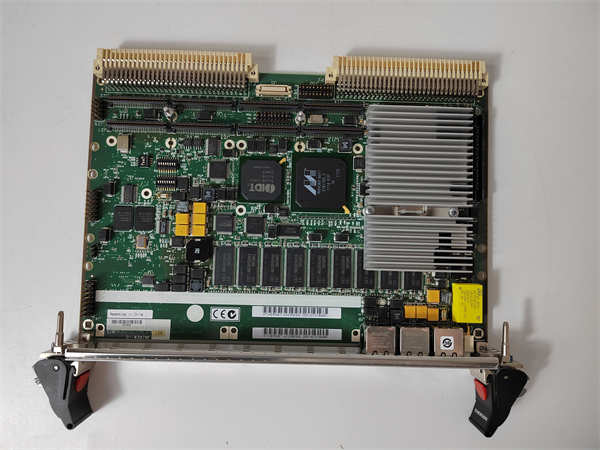
- Product Model: MVME61006E-0163
- Manufacturer: Emerson (ex-Motorola)
- Form Factor: 6U VME64x compliant module
- Processor: Freescale (NXP) MPC8641D dual-core PowerPC at 1.6 GHz
- Onboard Memory: 1 GB DDR2 ECC SDRAM (soldered)
- Storage: 4 GB SATA flash (optional via mezzanine); supports external storage via PMC/XMC sites
- Interfaces: Dual Gigabit Ethernet, USB 2.0, serial ports, PMC/XMC expansion site
- Bus Interface: VME64x, 32/64-bit, up to 320 MB/s sustained throughput
- Operating Temperature: 0°C to +55°C (commercial); extended temp variants may exist
- Firmware: U-Boot bootloader with VxWorks/Linux BSP support
System Role and Downtime Impact
The MVME61006E-0163 functions as the primary compute node in embedded VME-based systems widely deployed in power generation, transportation signaling, aerospace test rigs, and industrial automation prior to the mid-2010s. It typically runs real-time operating systems such as VxWorks or Linux to manage high-speed data acquisition, motion coordination, or safety interlocks. Due to its role as the system’s central processor, failure of this board results in complete loss of control or monitoring capability. In applications where VME chassis are used for redundancy (e.g., hot-spare configurations), a single board failure may be recoverable—but many legacy installations operate without redundancy due to cost or design constraints. Given the module’s obsolescence, lead times for verified replacements can exceed months, making unplanned failures highly disruptive to critical infrastructure.
Reliability Analysis and Common Failure Modes
Despite its ruggedized design, the MVME61006E-0163 is subject to several age-related failure mechanisms. The most prevalent issue is degradation of the onboard DDR2 memory or SATA flash due to write-cycle exhaustion or solder joint fatigue from thermal cycling—leading to boot failures or data corruption. The high-power MPC8641D processor generates significant heat, and over time, thermal stress can damage BGA (ball grid array) connections or degrade the voltage regulator modules (VRMs), causing intermittent crashes or inability to power on. Additionally, electrolytic capacitors in the power delivery network may dry out, especially in systems operated continuously at elevated ambient temperatures. The VME edge connectors are also prone to oxidation or mechanical wear after repeated insertions, potentially causing bus communication errors. Preventive maintenance should include periodic system reboots to detect early instability, thermal imaging of the board during operation, verification of firmware and OS image integrity, and ensuring clean, filtered power with adequate chassis airflow.
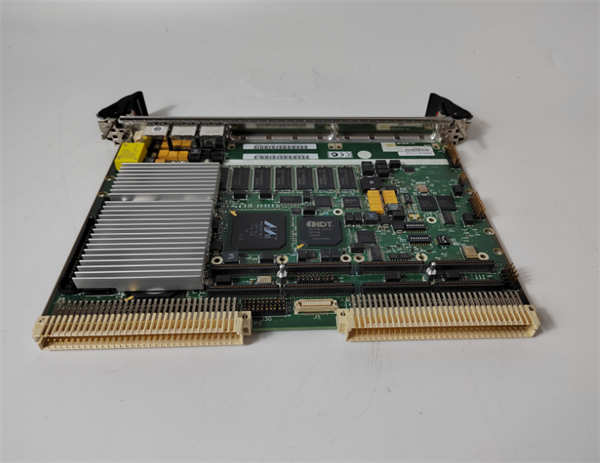
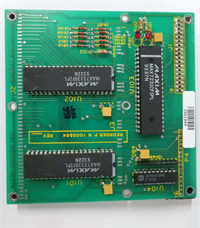
EMERSON MVME61006E-0163
Lifecycle Status and Migration Strategy
Emerson has officially discontinued the MVME61006E series, with no direct successor in current product lines. The broader VME ecosystem is now considered legacy, with industry momentum shifting toward VPX, CompactPCI Serial, or industrial PC architectures. Continued use of the MVME61006E-0163 entails severe supply chain and cybersecurity risks: spare units are scarce, original BSPs (Board Support Packages) lack modern security patches, and development toolchains are incompatible with current engineering environments. As a short-term mitigation, organizations may procure and test multiple spares from certified surplus vendors or engage specialized firms for component-level repair—though long-term reliability remains uncertain. The recommended strategic path is migration to a modern embedded platform. Options include VPX-based PowerPC or Intel solutions (e.g., Curtiss-Wright or Kontron), or industrial PCs running real-time Linux with PCIe-based I/O. This transition requires recompilation or rewriting of application code, redesign of backplane I/O, and revalidation of real-time performance. While complex, such a migration restores access to vendor support, extends system lifespan, and enables integration with contemporary IT/OT infrastructure including remote diagnostics and secure over-the-air updates.