 Tel:
Tel:  Email:
  WhatsApp:
 Description
Key Technical Specifications (Spare Parts Verification)
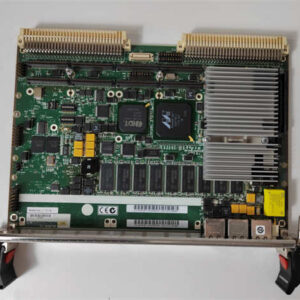
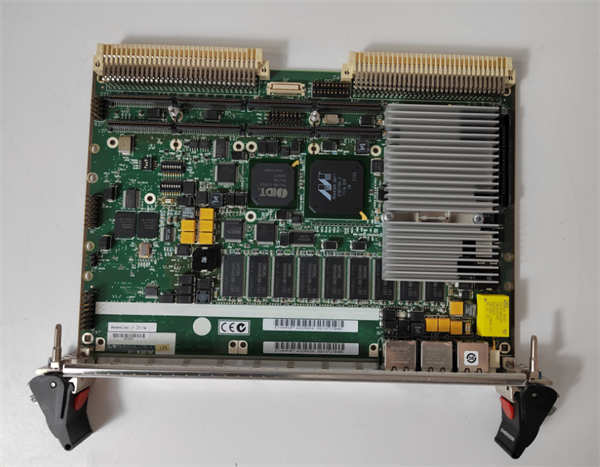
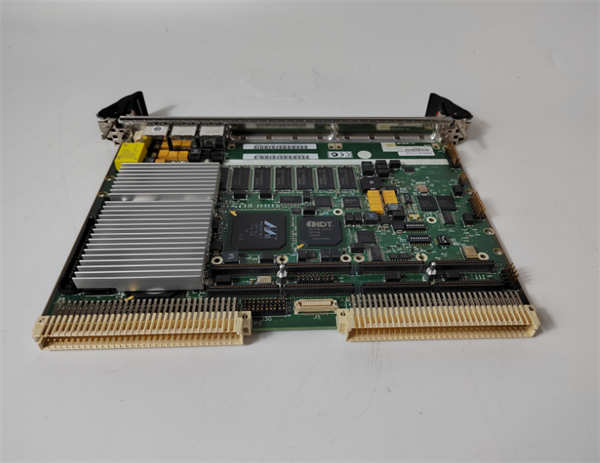
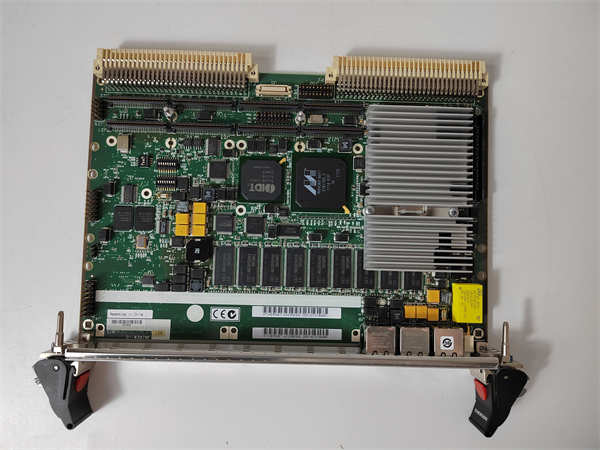
Product Model: MVME61006E-0163
Manufacturer: Emerson (formerly Motorola/Artesyn)
Processor: MPC7457 PowerPC @ 1.267 GHz
Memory: 512 MB DDR SDRAM (with ECC support)
Storage: 128 MB Flash
Bus Interface: VME64 (supports 2eSST protocol, up to 320 MB/s)
Ethernet: Dual Gigabit Ethernet (10/100/1000Base-T)
Form Factor: 6U VME
Operating Temperature: 0°C to +55°C (with forced air cooling)
Power Consumption: Typical 42W @ +5V
System Positioning & Downtime Impact
This module serves as the central processing unit in a VMEbus chassis. In legacy industrial automation systems (often found in semiconductor manufacturing, defense, or aerospace), this board is responsible for running the main operating system (e.g., VxWorks, Linux) and executing control logic. Its failure is catastrophic, as it is the brain of the system. A malfunction results in the complete shutdown of the VME rack, halting the connected I/O modules, motion control cards, and communication interfaces. In a production environment, this can lead to extended downtime due to the complexity of sourcing a compatible, tested replacement.
Reliability Analysis & Common Failure Points
Common Failure Modes: The primary failure mechanisms are often related to the harsh operating environments of industrial settings. The on-board electrolytic capacitors, particularly in the power supply regulation section, are susceptible to aging and drying out, especially under high thermal loads. The VMEbus backplane connectors can suffer from corrosion or bent pins due to improper handling during maintenance. The processor and memory chips, while robust, can be damaged by power surges or electrostatic discharge (ESD) if the system is not properly grounded.
Weak Links: The design’s main weakness in a long-term maintenance context is its reliance on forced air cooling. Blocked air filters or failed fans can lead to thermal shutdowns and accelerated component degradation. Additionally, the 2eSST protocol, while fast, requires a high-quality backplane and transceivers, and any degradation in signal integrity can cause intermittent data transfer errors.
Preventive Maintenance Recommendations: Maintenance teams should focus on environmental control. Regularly clean air filters and verify that chassis fans are operational. Monitor the +5V power supply rail to ensure it is stable within the specified tolerance. For long-term storage of spares, ensure they are kept in anti-static packaging in a controlled, dry environment.
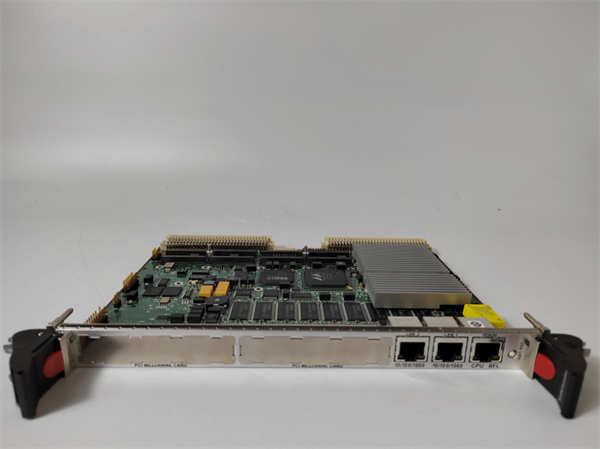
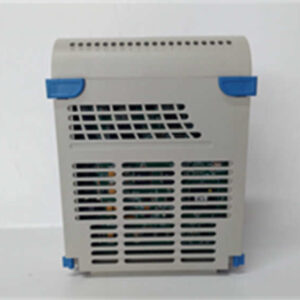
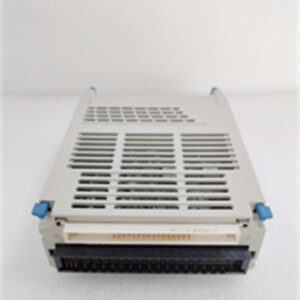
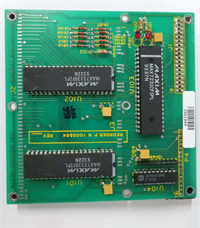
MVME61006E-0163 EMERSON
Lifecycle & Migration Strategy
Official Status & Risk: The MVME61006E-0163 is confirmed to be a legacy, end-of-life product. The primary risk is the scarcity of genuine, factory-tested spares. The market is often limited to surplus or refurbished units, which may have a high rate of infant mortality or may not meet the original performance specifications. There is no direct manufacturer support for firmware or hardware issues.
Temporary Solutions: In a breakdown scenario, the immediate solution is to source a working unit from the surplus market or a specialized refurbisher. In some cases, component-level repair of the failed board (e.g., replacing capacitors or a specific memory chip) can be attempted, but this requires specialized micro-soldering skills and is not a guaranteed fix.
Migration/Replacement Path: Emerson’s recommended long-term strategy is to migrate to a more modern VMEbus platform, such as the MVME7100 series, or to transition the system to a newer architecture like VPX or CompactPCI. The MVME7100 offers a PowerPC G4 processor, more memory, and extended temperature ranges, providing a direct upgrade path within the VME ecosystem. However, migration typically requires software and driver updates, as the processor architecture differs.