 Tel:
Tel:  Email:
  WhatsApp:
 Description
Key Technical Specifications (For Spare Parts Verification)
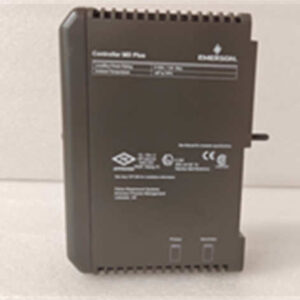
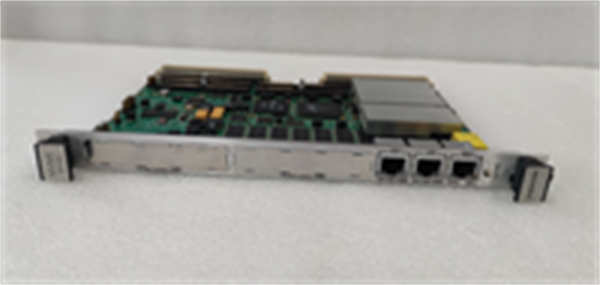
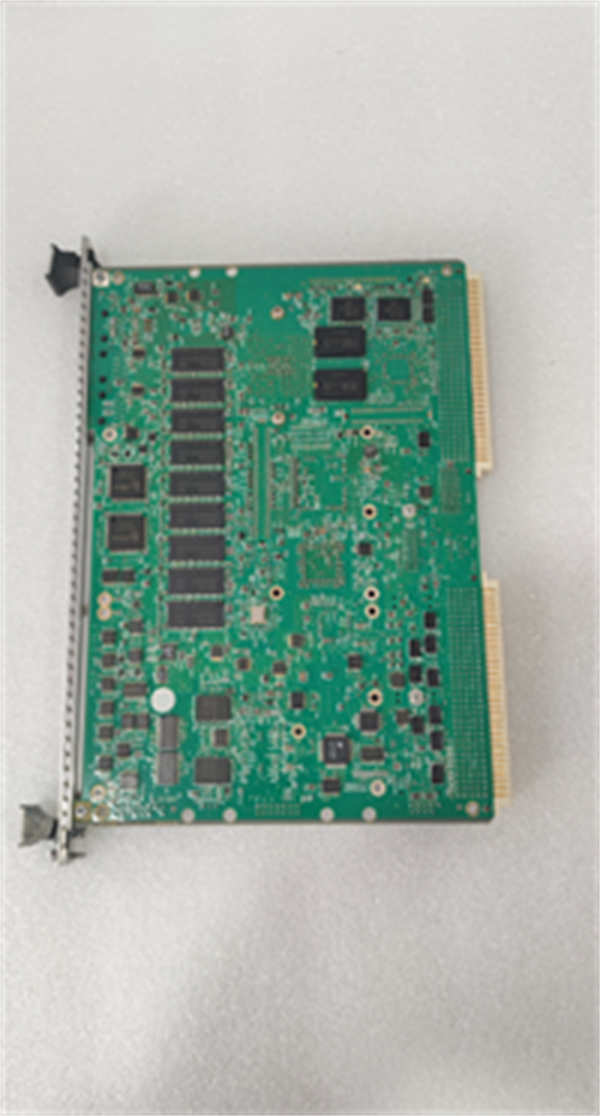
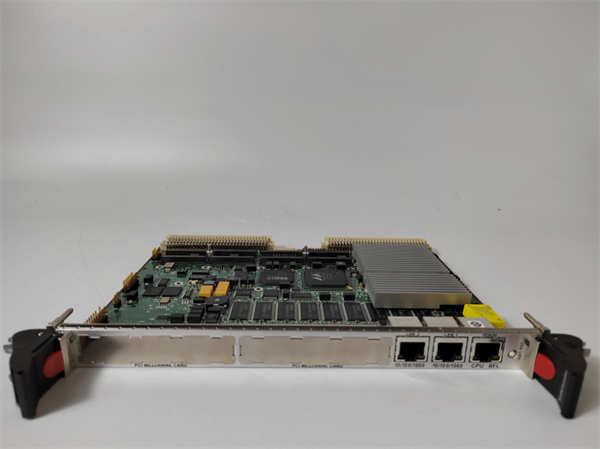
- Product Model: EMERSON MVME6100
- Manufacturer: EMERSON
- Belonging System: VMEbus System, often integrated with AC 800M or other control systems
- Function: Single-Board Computer (SBC)
- Processor: PowerPC 7457, 1.267 GHz
- Memory: Up to 2GB DDR SDRAM
- Storage: 128MB Flash memory, support for 2.5″ IDE HDD/SSD
- Bus Interface: VME32/VME64
- I/O Ports: Dual Gigabit Ethernet, 2x RS-232/422/485, 2x USB 1.1, VGA
- Power Consumption: 42W typical, 51W maximum @ +5V
- Operating Temperature: 0°C to +55°C (forced air cooling required)
System Positioning & Downtime Impact
The EMERSON MVME6100 is a critical component within VME-based industrial control systems, acting as the central processing unit. It is often deployed as the main controller in distributed control systems (DCS), hardware-in-the-loop (HIL) simulators, and complex data acquisition setups. A failure of this SBC will result in a complete loss of the control system’s computational capabilities, leading to a total system shutdown. Its role in executing control logic and processing real-time data makes it a high-priority spare part for maintaining system uptime .
Reliability Analysis & Common Failure Points
- Common Failure Modes: The MVME6100 typically fails due to aging electrolytic capacitors on the power supply circuitry, which can lead to power instability or complete board failure. Other common issues include memory corruption due to ECC errors, and degradation of the VME backplane interface connectors. The high power consumption of the PowerPC processor also makes thermal management a critical factor; failure of the cooling system can lead to thermal shutdown or permanent damage .
- Weak Links: The design’s primary vulnerability is its high thermal output and reliance on active cooling. The VME backplane interface, while robust, is susceptible to corrosion and pin damage in harsh environments. The older technology nodes used in the processor and memory chips are also more sensitive to long-term electrical stress compared to modern components .
- Preventive Maintenance Recommendations: To extend the life of existing units, maintenance personnel should ensure adequate forced air cooling (at least 400 LFM) is maintained. Regularly monitor system logs for ECC memory errors and thermal alarms. It is also recommended to periodically reseat the board in the VME chassis to prevent oxidation on the backplane connectors .
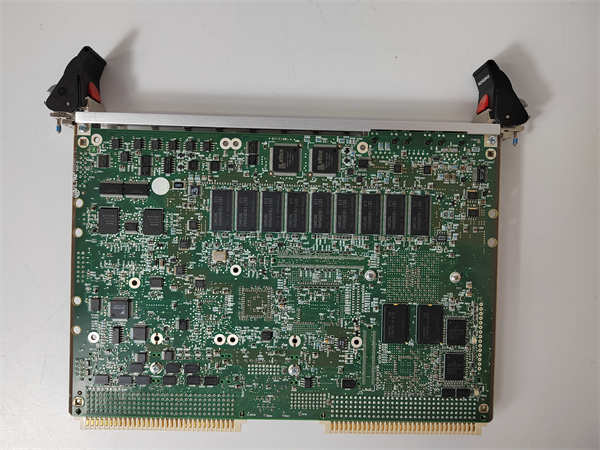
MVME6100 EMERSON
Lifecycle & Migration Strategy
- Official Status & Risk: The MVME6100 is considered obsolete by EMERSON. Continuing to use it carries high risks, including the inability to source genuine replacements, lack of firmware/software updates, and potential incompatibility with modern cybersecurity standards. The product is in the “End-of-Life” phase, where only limited spare parts may be available from third-party suppliers .
- Temporary Solutions: In cases where immediate system upgrade is not feasible, the primary temporary solution is sourcing refurbished or new-old-stock (NOS) units from specialized industrial automation suppliers. Board-level repair services for capacitor replacement and trace repair are also a common stopgap measure to maintain operations .
- Migration/Replacement Path: The official recommendation for modernizing systems using the MVME6100 is to migrate to EMERSON’s newer embedded computing platforms, such as the MVME7100 series or the latest VPX-based systems. This migration requires a complete system redesign, including a new chassis, backplane, and redevelopment of the application software to run on a modern operating system and processor architecture .