 Tel:
Tel:  Email:
  WhatsApp:
 Description
Key Technical Specifications (For Spare Part Verification)
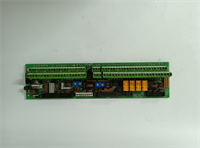
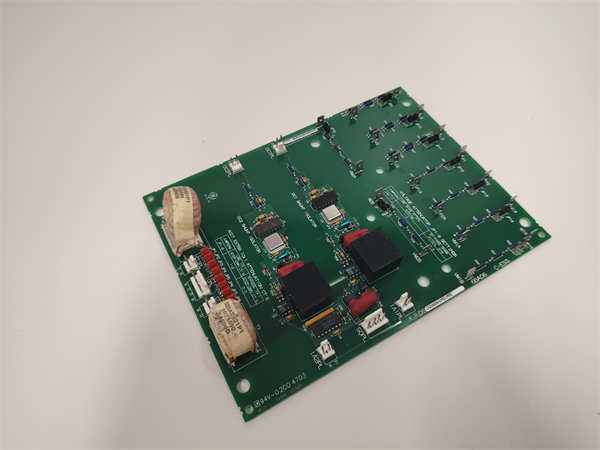
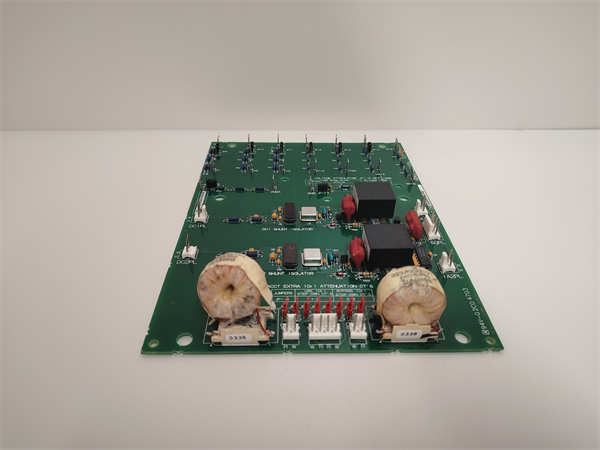
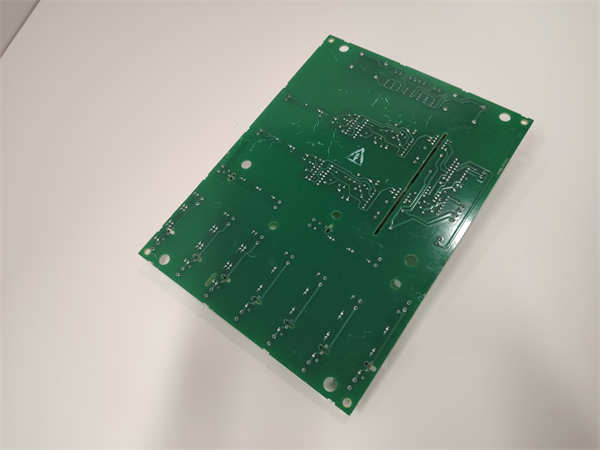
- Product Model: DS200SHVMG1AGE
- Manufacturer: General Electric (GE)
- System Family: EX2000 Excitation System (used with Mark V turbine control)
- Board Type: High-Voltage SCR Gate Driver (SHVM = SCR High Voltage Module)
- Input Interface: Receives low-voltage firing commands from the GATE board (DS200GATE) via fiber optic or ribbon cable
- Output: Isolated high-voltage gate drive signals for up to six SCR stacks (depending on system configuration)
- Power Supply: Derived from exciter field and auxiliary supplies; includes onboard DC-DC converters for isolation
- Mounting: Vertical card-cage mount within EX2000 power cabinet
- Connector Types: AMPMODU, D-sub, and high-voltage insulated terminals
- Diagnostic Features: LED indicators for gate pulse activity and fault status (if equipped)
- Revision Code: “AGE” denotes specific firmware/hardware revision; must match system requirements
System Role and Downtime Impact
The DS200SHVMG1AGE is a critical interface between the EX2000’s low-voltage control logic and the high-power SCR bridge that regulates generator field current. It converts digital firing angle commands into precisely timed, high-isolation gate pulses capable of triggering SCRs operating at several hundred volts. Failure of this board results in loss of excitation control—causing immediate turbine trip via protective relays or uncontrolled generator voltage collapse. In combined-cycle or peaking power plants, such a failure leads to full unit derating or forced outage, with potential grid stability implications and revenue loss exceeding tens of thousands of dollars per hour. Due to its role in safety-critical voltage regulation, it is classified as a single-point failure component in many reliability models.
Reliability Analysis and Common Failure Modes
Despite robust industrial design, the DS200SHVMG1AGE is prone to age-related degradation due to its exposure to high electrical stress and thermal cycling. The most common failure mode involves breakdown of high-voltage isolation components—particularly optocouplers and pulse transformers—which lose integrity over time, leading to erratic SCR firing or complete signal dropout. Electrolytic capacitors on the DC-DC converter stages frequently dry out after 10–15 years, causing unstable gate drive voltage and intermittent operation. Additionally, the board’s reliance on through-hole components and older PCB laminates makes it susceptible to solder joint fatigue and trace delamination under vibration. Environmental factors such as dust accumulation and humidity accelerate corrosion on high-voltage terminals. As preventive maintenance, technicians should perform annual infrared thermography to detect hot spots, verify gate pulse timing with an oscilloscope during offline tests, inspect for capacitor bulging, and ensure clean, dry cabinet conditions with functional cooling fans.
DS200SHVMG1AGE GE
Lifecycle Status and Migration Strategy
GE has discontinued the DS200SHVMG1AGE as part of the broader obsolescence of the EX2000 platform. No new units are manufactured, and GE no longer offers repair services or technical documentation updates for this revision. Continued use carries high operational risk: spare parts are only available through third-party surplus dealers or independent repair shops, often without performance validation. As a short-term measure, operators may implement “hot spares” with periodic bench testing or engage specialized firms for component-level rework (e.g., capacitor replacement and conformal coating renewal). However, the sustainable solution is migration to a modern excitation system. GE’s recommended path is upgrading to the EX2100e platform, which offers digital control, enhanced diagnostics, and compatibility with Mark VIe turbine controls. This transition requires replacing the entire power bridge and control cards, along with re-commissioning of voltage regulator settings. While capital-intensive, the upgrade improves system availability, reduces maintenance burden, and aligns with cybersecurity standards such as NERC CIP through secure remote access and audit logging capabilities.