 Tel:
Tel:  Email:
  WhatsApp:
 Description
Key Technical Specifications (For Spare Parts Verification)
- Product Model: NFT-801RM3-S
- Manufacturer: DDK
- System: Industrial Speed Regulation / Drive System
- Input Voltage: 220V AC
- Output Voltage: Adjustable up to 220V
- Frequency Range: 0-60Hz
- Control Method: PWM (Pulse Width Modulation)
- Maximum Output Current: 10A
- Temperature Range: -10°C to 60°C
- Protection Level: IP54
- Communication Protocols: RS-485, MODBUS
System Positioning & Downtime Impact
The DDK NFT-801RM3-S is a critical component in the motor control loop of industrial systems. It functions as the primary speed regulation unit, typically installed between the main power supply and the motor. Its failure directly results in the loss of speed control, leading to immediate and complete process shutdown. In applications such as conveyor systems or critical pump stations, its failure halts material flow or process fluid circulation, causing significant production loss. Given its status as an obsolete component, unplanned downtime can be prolonged, as sourcing a direct replacement may take weeks or even months.
Reliability Analysis & Common Failure Points
- Common Failure Modes: The most frequent failure points in this generation of drive systems are related to power electronics aging. The IGBTs (Insulated-Gate Bipolar Transistors) and power capacitors are susceptible to thermal stress over time, leading to short circuits or open circuits. The control board is also vulnerable to voltage transients, which can corrupt the firmware or damage the RS-485 communication interface.
- Design Weaknesses: This model’s design is typical of its era, lacking the advanced surge protection and thermal management found in modern drives. It is particularly sensitive to power quality issues and requires a stable, clean power source. The cooling system (if fan-based) is a known point of failure that can lead to overheating and premature component degradation.
- Preventive Maintenance Recommendations: For units still in service, implement a rigorous preventive maintenance schedule. This includes regular cleaning of air vents and heat sinks to prevent dust accumulation, checking for loose electrical connections, and monitoring the output voltage for signs of instability. It is also critical to maintain a stable ambient temperature within the specified operating range to extend the remaining operational life.
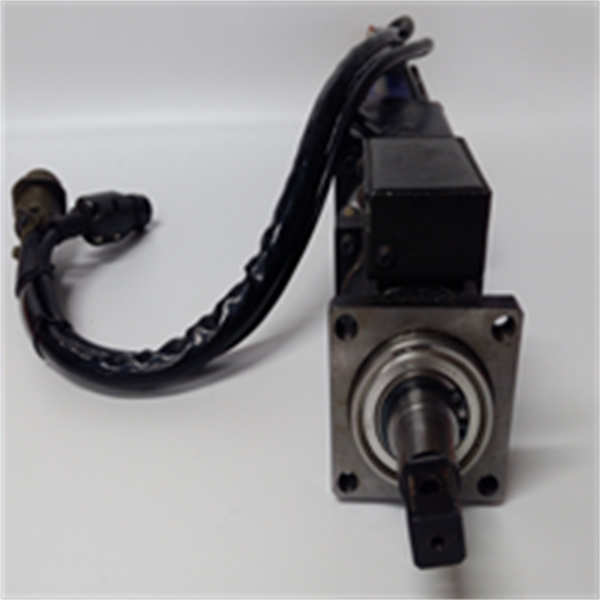
NFT-801RM3-S DDK
Lifecycle & Migration Strategy
- Official Status & Risk: The DDK NFT-801RM3-S is confirmed to be an obsolete product. Continuing to rely on this model carries high operational risk. The primary risks include the complete unavailability of new parts, extreme price inflation for remaining NOS (New Old Stock) or refurbished units, and the lack of manufacturer technical support for troubleshooting.
- Temporary Solutions: In cases where immediate system replacement is not feasible, the only temporary solution is to source components from the secondary market. This involves searching for remaining stock with authorized distributors or engaging with specialized industrial automation repair services that can perform board-level repairs. However, this approach is costly and does not guarantee long-term reliability.
- Migration/Replacement Path: The recommended strategy is a full system migration to a modern Variable Frequency Drive (VFD) or AC drive. While a direct “drop-in” replacement may not exist, modern drives from manufacturers like ABB, Siemens, or Schneider Electric offer superior performance and reliability. The migration process will require re-engineering the control panel, updating the wiring, and potentially modifying the control logic to interface with the new drive’s communication protocol. The long-term benefits of reduced downtime and lower energy consumption justify the capital investment in a replacement system.