 Tel:
Tel:  Email:
  WhatsApp:
 Description
Key Technical Specifications (For Spare Part Verification)
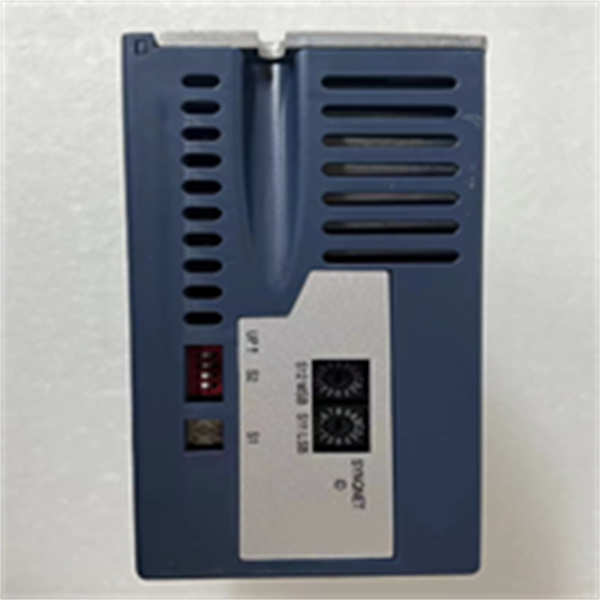
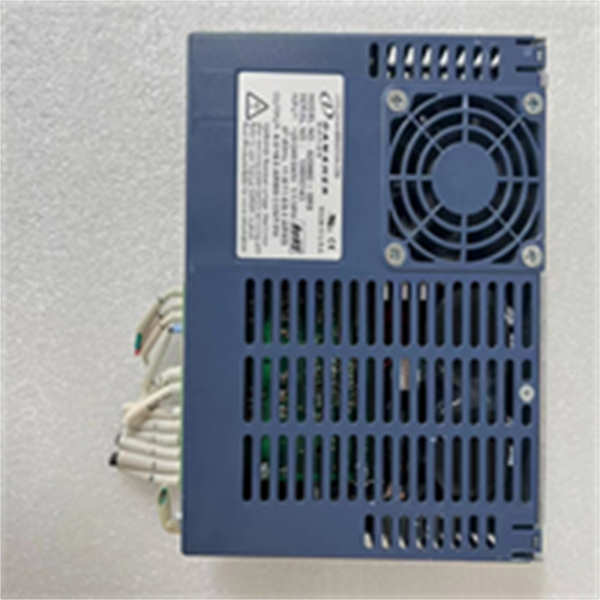
- Model: S20660-SRS
- Manufacturer: Danaher Motion (Kollmorgen legacy product line)
- Product Family: S200 series servo drives
- Output Current: Continuous 6 A / Peak 12 A per axis (exact rating depends on configuration)
- Bus Voltage: Typically 100–240 VAC input or 130–325 VDC DC bus
- Feedback Support: Incremental encoder (A/B/Z), Hall sensors
- Control Mode: Velocity, torque, and position modes via analog ±10 V or step/direction
- Communication: Analog I/O based; no native fieldbus (relies on external motion controller)
- Mounting: DIN rail or panel mount with heatsink
- Cooling: Natural convection or forced air (depending on enclosure)
- Connector Type: Screw-terminal or plug-in headers (varies by OEM integration)
System Role and Downtime Impact
The S20660-SRS was commonly integrated by OEMs into compact multi-axis machines—such as label printers, web handling systems, or cartoners—where space constraints favored modular, non-networked amplifiers. It acts as the final power conversion stage between a central motion controller (e.g., Galil, Delta Tau) and the servo motor. Because it lacks onboard intelligence, its reliability is critical: if one axis fails due to drive malfunction, the entire synchronized motion sequence halts. In a high-speed bottling line running at 400 bottles/minute, even a 30-minute downtime event can result in significant scrap and missed throughput targets. Since the drive is often custom-mounted and wired within a sealed cabinet, replacement requires machine disassembly, further extending recovery time.
Reliability Analysis and Common Failure Modes
The S20660-SRS uses conventional power electronics architecture, making it susceptible to age- and stress-related failures. The most common failure mode is IGBT or MOSFET short-circuit in the output stage, typically triggered by:
- Motor cable insulation breakdown causing phase-to-phase shorts
- Repeated overloads without adequate thermal derating
- Power supply transients from shared DC bus disturbances
A key design weakness is the limited thermal margin: in tightly packed OEM cabinets with poor airflow, the drive operates near its thermal limit, accelerating capacitor and semiconductor aging. Electrolytic capacitors on the DC bus often dry out after 8–12 years, leading to increased ripple voltage and erratic behavior.
Additionally, the analog control interface is vulnerable to ground loops and EMI in electrically noisy plants, which can corrupt the ±10 V command signal and cause unintended motion.
Preventive maintenance recommendations:
- Monitor drive temperature during peak operation; ensure heatsink surfaces are dust-free
- Inspect motor cables for chafing or moisture ingress—common root cause of output stage failure
- Verify DC bus voltage stability under load; excessive sag or spikes indicate upstream power issues
- Replace units proactively if installed over 10 years ago, even if still functional
- Keep spare drives powered periodically to reform capacitors if stored long-term
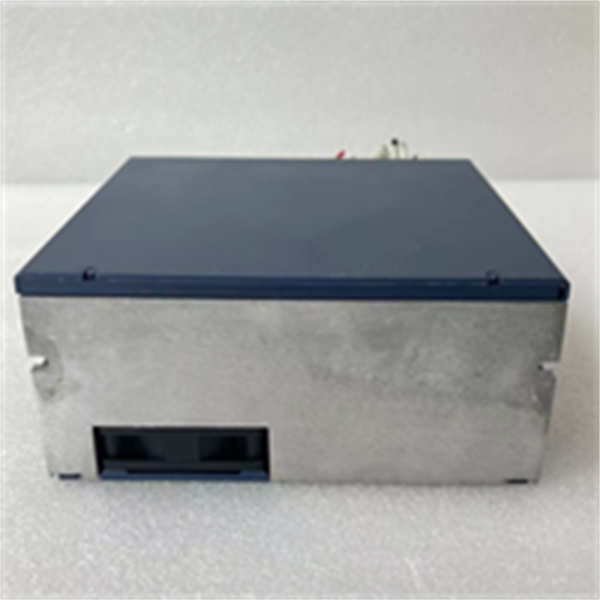
DANAHER S20660-SRS
Lifecycle Status and Migration Strategy
Danaher discontinued the S200 series, including the S20660-SRS, as part of its shift toward networked, intelligent drives like the AKD or Kollmorgen’s newer platforms. No official repair service or firmware support exists. Continuing to rely on this drive poses escalating risk: no new units, no technical documentation updates, and diminishing expertise among service technicians.
Temporary mitigation strategies include:
- Securing tested, working spares from trusted industrial surplus suppliers with burn-in reports
- Partnering with third-party repair firms specializing in legacy servo electronics (with full functional validation post-repair)
- Implementing external current-limiting fusing on motor outputs to protect against catastrophic shorts
For a sustainable solution, migration to a modern networked servo platform is recommended. Options include:
- Kollmorgen AKD-N: Compact, EtherCAT-enabled drive with comparable power ratings and advanced diagnostics
- Parker Compax3: Drop-in mechanical alternative in some form factors, with CANopen or EtherCAT support
Migration typically involves:
- Replacing the drive and updating motor feedback cabling (e.g., to absolute encoders)
- Integrating a new motion controller or upgrading the existing one to support digital communication
- Recommissioning motion profiles in the new drive software environment
While not a direct swap, this transition eliminates obsolescence risk, improves energy efficiency, enables remote diagnostics, and aligns the machine with current safety and connectivity standards—turning a reactive maintenance burden into a strategic reliability upgrade.