 Tel:
Tel:  Email:
  WhatsApp:
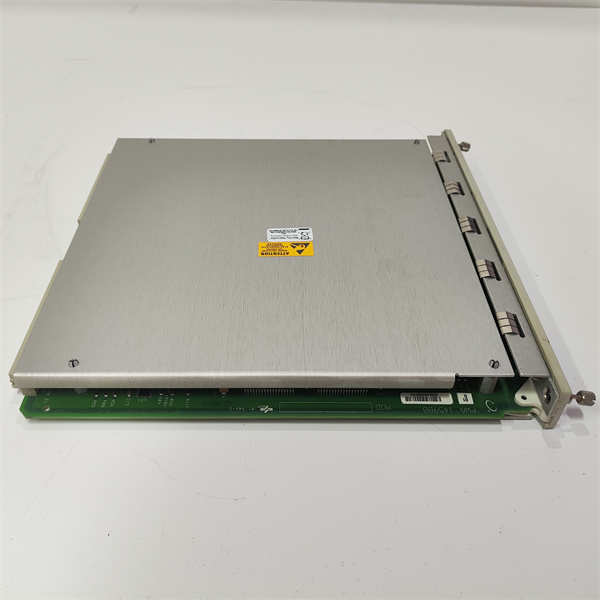
 Description
Key Technical Specifications (For Spare Verification)
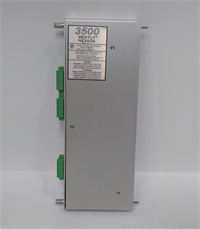
- Product Model: 3500/94
- Manufacturer: Bently Nevada
- Part Number: 145988-01
- Compatible System: Bently Nevada 3500 Series (racks 3500/15, /20, /22, /25)
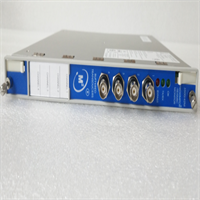
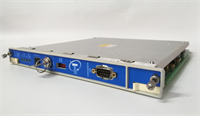
- Communication Interfaces: RS-232 (DB9 connector), RS-422 (screw terminal block)
- Supported Protocols: Bently proprietary ASCII protocol, Modbus RTU (serial); Modbus TCP only if upgraded to Ethernet-capable firmware/hardware variant
- Module Slot Requirement: Single slot in standard 3500 rack
- Power Source: Backplane-powered (no external supply needed)
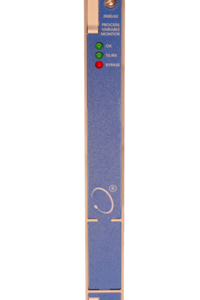
- Diagnostic Indicators: Front-panel LEDs for power, TX/RX activity, and fault status
- Configuration Tool: Requires Rack Configuration Software (RCS) or System 1
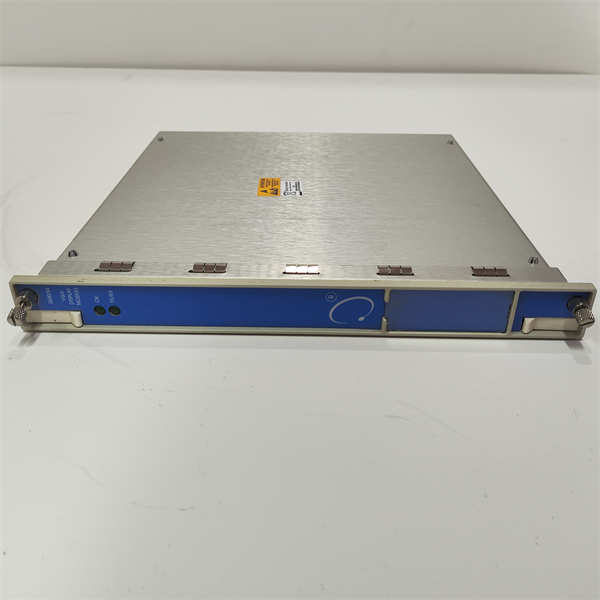
BENTLY 3500-94 145988-01
System Role and Downtime Impact
The 3500/94 module serves as the primary digital communication interface between the Bently Nevada 3500 machinery protection system and plant-wide asset monitoring infrastructure. It is typically installed in critical applications such as steam turbines, centrifugal compressors, and large pumps in oil & gas, power generation, and chemical facilities. While it does not directly trigger shutdowns (that function resides in the 3500/53 or /50 modules), its failure results in a complete loss of remote visibility into machine health. Operators lose access to real-time vibration trends, alarm history, and configuration data, forcing reliance on local rack indicators only. In regulated environments, this may compromise compliance with API 670 requirements for continuous monitoring. Recovery requires a verified spare with matching firmware and reconfiguration of host systems—processes that can extend downtime by 8–24 hours if spares are unavailable.
Reliability Analysis and Common Failure Modes
Despite its industrial-grade design, the 3500/94 exhibits predictable aging issues after 10–15 years of service. The most common failure mode involves degradation of the RS-232/RS-422 transceiver ICs due to ground potential differences or electrostatic discharge on long serial cables, leading to intermittent or total communication loss. Internal EEPROMs storing configuration data may experience bit rot or corruption, causing the module to boot into an unresponsive state. Oxidation of the backplane edge connector pins can result in “module not detected” errors despite physical presence. Additionally, voltage regulators on the board may drift over time due to capacitor aging, especially in high-ambient-temperature enclosures, causing brownouts during peak data transmission. As a preventive measure, maintenance teams should perform annual loop-back tests using terminal emulators, inspect terminal blocks for corrosion, ensure proper grounding of serial shields, and archive RCS configuration files. Keeping spare units powered periodically helps maintain electrolytic capacitor health.
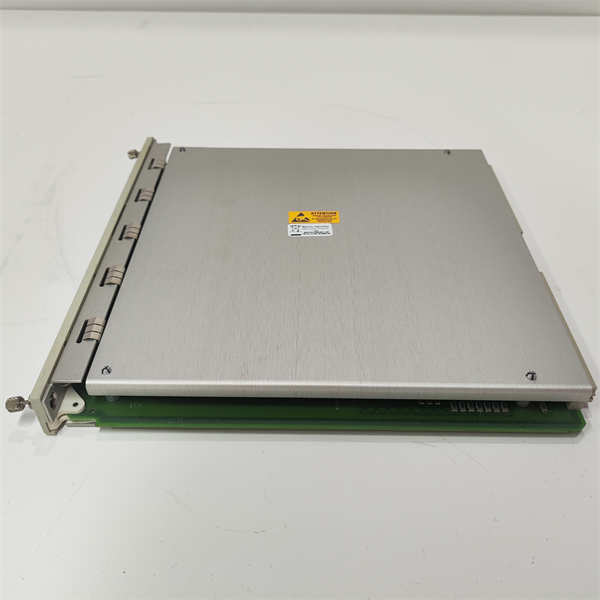
BENTLY 3500-94 145988-01
Lifecycle Status and Migration Strategy
Baker Hughes has discontinued the 3500/94 (145988-01) and shifted support toward the 3500/92 Ethernet Gateway and next-generation Orbit 60 platforms. Official repair services, firmware updates, and technical documentation are no longer available for this variant. Continued use carries significant risk: spare parts are scarce, prices are volatile, and integration with modern IT/OT networks is limited due to lack of native Ethernet or cybersecurity features. As a temporary mitigation, facilities should secure at least two tested 3500/94 modules with verified serial functionality and maintain detailed records of baud rates, node IDs, and register maps. For long-term sustainability, the recommended migration path is upgrading to the 3500/92, which retains compatibility with existing 3500 I/O modules while adding native Modbus TCP, OPC UA, web-based diagnostics, and enhanced network security. This transition requires updating to current versions of System 1 software and reconfiguring host connections but avoids full sensor or I/O replacement. Organizations relying on this module for regulatory compliance or remote diagnostics should initiate migration planning within 18–24 months to ensure operational continuity and data integrity.