 Tel:
Tel:  Email:
  WhatsApp:
 Description
Key Technical Specifications (for Spare Parts Verification)
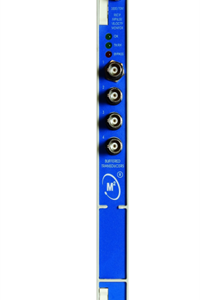
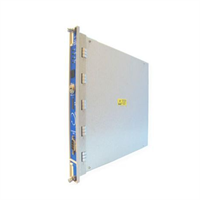
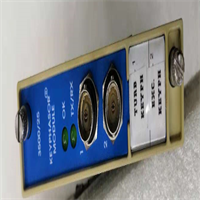
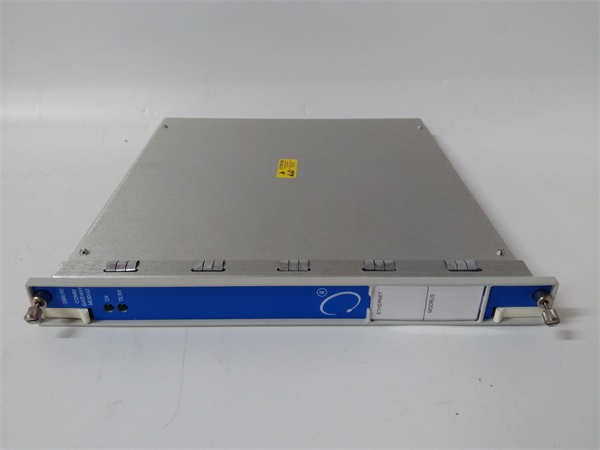
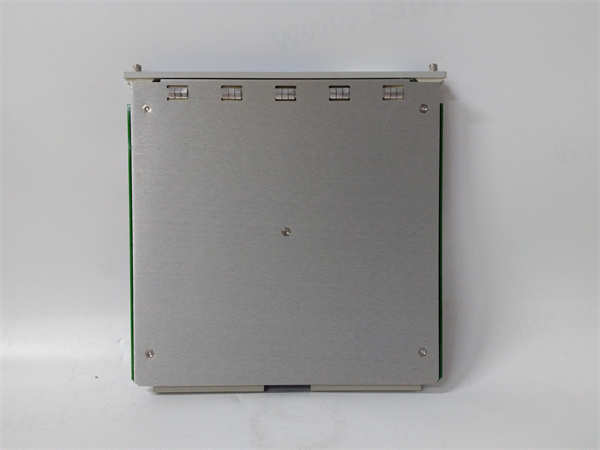
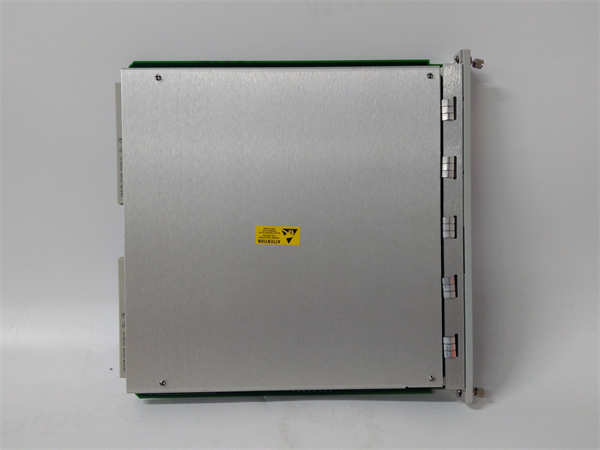
- Product Model: 3500/92
- Manufacturer: Bently Nevada
- System Family: 3500 Machinery Protection System
- Common Part Number: 135740-01 (verify exact suffix for revision)
- Function: Rack Interface Module (RIM)
- Mounting: Slot 1 in 3500 chassis (mandatory position)
- Communication Ports: RS-232, RS-422, and/or Modbus RTU (configuration-dependent)
- Protocols Supported: Bently proprietary (TDI), Modbus RTU, optional Gateway protocols
- Power Consumption: Powered via 3500 backplane (±24 V DC)
- Status Indicators: Power, OK, Tx/Rx activity LEDs
- Firmware Dependency: Must match firmware version of other 3500 modules (e.g., 3500/42, /45)
- Redundancy Support: Non-redundant; single point of failure for rack communication
-

Bently 3500/92
System Role and Downtime Impact
The 3500/92 serves as the sole communication conduit between a 3500 monitoring rack and higher-level systems such as DCS, HMI, or asset management platforms. Installed exclusively in slot 1 of every 3500 chassis, it collects data from vibration, position, speed, and temperature monitors and transmits alarms, trends, and real-time values externally. If this module fails, the entire rack becomes “invisible” to operators—alarms are not relayed, trip signals may not be logged centrally, and remote diagnostics are lost. In critical applications like turbine or compressor protection, this can compromise safety integrity and regulatory compliance. While local relay outputs on individual monitor modules (e.g., 3500/50) may still trigger shutdowns, the loss of supervisory visibility often forces conservative operational responses, including unscheduled shutdowns for manual inspection, leading to significant production losses.
Reliability Analysis and Common Failure Modes
Although built for industrial environments, the 3500/92 is prone to age-related failures due to its design era (early 2000s). The most common failure mode involves degradation of onboard electrolytic capacitors, resulting in intermittent resets, communication dropouts, or complete boot failure. Another frequent issue is corrosion or oxidation on the backplane connector pins, exacerbated by thermal cycling in poorly ventilated enclosures. A known vulnerability is the module’s sensitivity to ground potential differences between the 3500 rack and connected DCS equipment, which can damage RS-422 transceivers over time. For preventive maintenance, technicians should regularly inspect for capacitor leakage or bulging, clean backplane contacts with contact enhancer, verify stable power rails using a test chassis, and log communication error rates via diagnostic software. Keeping at least one verified spare powered periodically can help detect latent failures before deployment.
-
Bently 3500/92
Lifecycle Status and Migration Strategy
Bently Nevada has classified the 3500/92 as obsolete, with manufacturing discontinued and no direct replacement within the 3500 platform. Official support is restricted to legacy service contracts, and new units are unavailable through distribution channels. Continued operation relies on surplus inventory, which carries risks of counterfeit parts, mismatched firmware, or hidden wear. As an interim measure, facilities may implement protocol converters to bridge 3500 data to modern networks or engage specialized vendors for component-level repair. However, the strategic path forward is migration to Bently Nevada’s System 1 platform with 3500 Migration I/O or transition to Asset Monitor solutions. This typically involves replacing the 3500/92 and associated chassis with a Gateway 6000 or Data Manager, which emulates 3500 communication while enabling OPC UA, MQTT, and cloud connectivity. Although migration requires engineering effort, it restores cybersecurity compliance, ensures long-term spares access, and integrates machinery health data into enterprise asset performance management (APM) systems.