 Tel:
Tel:  Email:
  WhatsApp:
 Description
Key Technical Specifications (For Spare Part Verification)
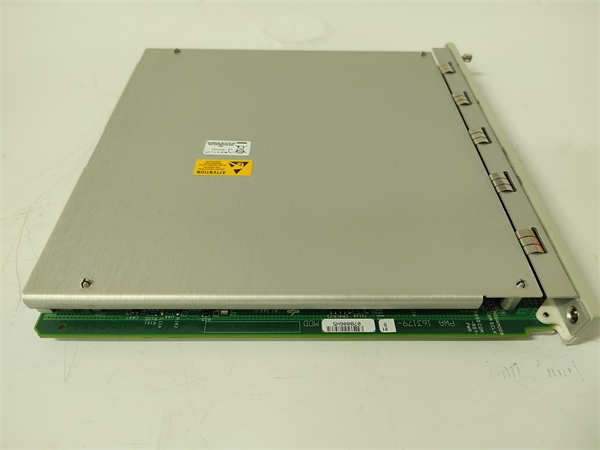
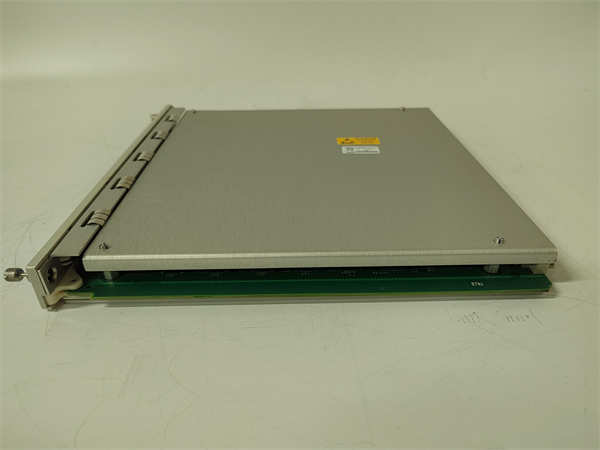
- Product Model: 3500/60
- Manufacturer: Bently Nevada
- Part Number: 163179-01
- System Compatibility: Bently Nevada 3500 Machinery Protection System (requires 3500/20 or 3500/22 interface modules)
- Input Channels: 2 independent speed inputs
- Input Signal Types: Proximity probe (–2 VDC to –18 VDC), magnetic pickup (±10 VAC peak), or TTL-compatible digital signals
- Speed Range: 0.5 Hz to 10 kHz (configurable per channel)
- Trip Functions: Configurable overspeed, underspeed, and zero-speed detection per channel
- Relay Outputs: 4 programmable Form C relays (2 per channel) for alarm and trip
- Diagnostic Coverage: Built-in self-test, input validity checks, and watchdog timer
- Mounting: Full-height slot in 3500 chassis
- Compliance: Designed for use in safety applications up to SIL 2 per IEC 61508 when implemented per API 670
System Role and Downtime Impact
The 3500/60 module serves as a dedicated, hardwired safety monitor in critical rotating machinery such as steam turbines, gas compressors, and centrifugal pumps. Unlike general-purpose vibration modules, it operates independently of the main monitoring system and can directly de-energize trip relays upon detecting dangerous speed excursions. This makes it a key component in Safety Instrumented Functions (SIFs). If the module fails undetected—due to signal loss, internal fault, or power issue—it may fail to initiate a trip during an overspeed event, risking shaft rupture, fire, or explosion. Conversely, a spurious trip can cause costly unplanned downtime in continuous-process facilities. Its role is often mandated by insurance and regulatory standards (e.g., API 670), making reliability non-negotiable.
Reliability Analysis and Common Failure Modes
Despite its robust design, the 3500/60 (163179-01) is subject to age-related degradation common to early-2000s industrial electronics. The most frequent failure mode is input signal conditioning circuit drift, particularly in the comparator stages that detect pulse edges—leading to missed pulses or false speed readings under low-amplitude or noisy conditions. Relay contact wear from repeated cycling (e.g., during testing) can increase contact resistance or cause sticking, compromising trip reliability. Additionally, internal power supply capacitor aging may result in voltage instability, causing intermittent resets or relay chatter.
A known vulnerability is sensitivity to probe gap variation; if the proximity probe is not maintained within optimal range, signal amplitude drops, increasing the risk of undetected speed loss. Units exposed to high ambient temperatures or electrical noise show accelerated component stress. The module lacks field firmware updates, so configuration is fixed via hardware jumpers and software settings—making version control critical during replacement.
Recommended preventive actions include:
- Performing periodic functional proof tests that validate both overspeed and zero-speed trip logic
- Measuring input signal amplitude and waveform quality at the module terminals
- Verifying relay continuity and contact resistance during maintenance outages
- Monitoring 3500 Rack Configuration Software (RCS) for “input fault” or “relay test fail” diagnostics
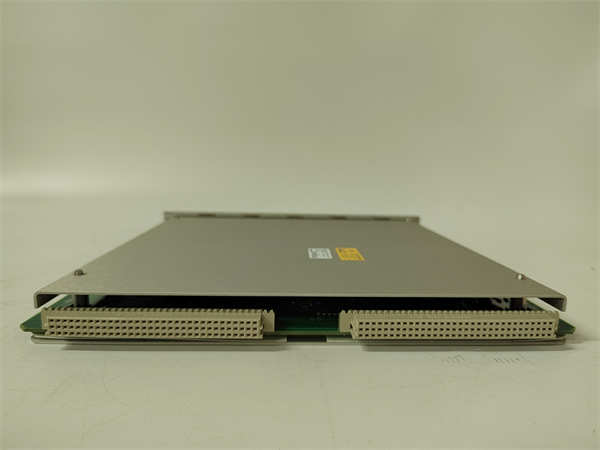
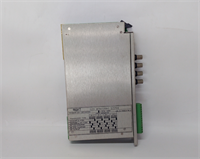
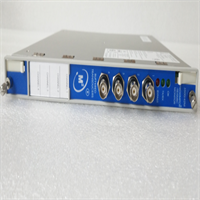
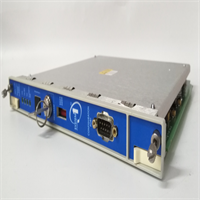
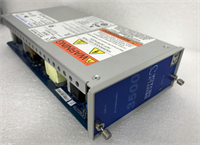
BENTLY 3500-60 163179-01
Lifecycle Status and Migration Strategy
Bently Nevada has officially obsoleted the 163179-01 revision of the 3500/60 module. While the 3500/60 product line continues in updated forms, this specific hardware variant is no longer manufactured, and factory repair services are limited. Continued use increases exposure to supply shortages and potential non-compliance during functional safety audits.
Short-term risk controls include:
- Securing multiple tested spares with identical part numbers and jumper configurations
- Maintaining validated configuration files in 3500 RCS software
- Documenting field wiring, probe types, and speed setpoints for rapid recovery
For long-term sustainability, Bently Nevada supports migration to the current 3500/60 module (latest revision), which maintains mechanical and electrical compatibility with existing 3500 racks and field wiring. Upgrading typically involves:
- Direct replacement without rewiring, provided signal types match
- Re-downloading configuration via 3500 RCS
- Revalidating trip response time and relay behavior per API 670
For facilities pursuing digital transformation, integration with Bently Nevada System 1 or Baker Hughes APM enables remote health monitoring and predictive diagnostics. While the legacy 163179-01 cannot be upgraded in place, its safety function can be preserved through compatible successors, ensuring continued compliance, operational integrity, and access to technical support beyond 2030. A risk-prioritized, asset-based replacement plan is strongly recommended.