 Tel:
Tel:  Email:
  WhatsApp:
 Description
Product Introduction
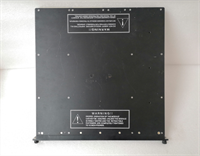
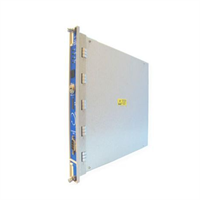
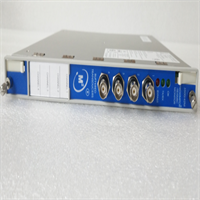
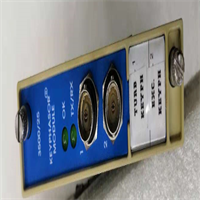
A spinning turbine generating $50,000 per hour doesn’t forgive a blind spot in vibration monitoring, which is exactly where the Bently Nevada 3500/40M-01-00 proves its value. This four-channel module acts as the critical interface between raw proximitator probes and the plant’s DCS or safety system, processing gap voltage and dynamic vibration simultaneously. We stock these specifically because lead times for new manufacturing have stretched to six months or more, leaving many plants vulnerable.The -01-00 suffix indicates a specific configuration optimized for standard proximity probes without internal signal conditioning for seismic sensors. While newer firmware versions exist, this hardware revision remains the workhorse for thousands of installed bases globally. To be frank, mixing revision levels in a single rack can sometimes cause backplane communication glitches, so matching your existing hardware revision is often safer than chasing the latest version unless you are upgrading the whole system.
 Key Technical Specifications
 Key Technical Specifications
| Parameter | Value | Notes |
|---|---|---|
| Channels | 4 Independent | Proximitor input only |
| Input Signal | -24 VDC Nominal | Requires external/provided power |
| Frequency Range | 10 Hz to 1000 Hz | Standard bandwidth |
| Resolution | 12-bit ADC | High fidelity conversion |
| Alarm Relays | 2 Form-C per channel | Configurable trip points |
| Communication | 3500 Backplane | Ethernet via 3500/22 gateway |
| Certification | TUV SIL2, ATEX | Safe for hazardous zones |
| Power Consumption | 6.5 Watts | Typical at 24VDC |
| Operating Temp | -20 to +65 °C | Derate above 55°C |
| Dimensions | 13.3 x 10.7 x 2.5 cm | Half-rack width |
| Weight | 0.3 kg | Module only |
| Mounting | 3500 Rack Slot | Any slot except power/gateway |
Application Scenarios & Pain Points
The steam turbine trip at 3 AM wasn’t caused by actual high vibration; it was a noisy signal from an aging monitor card that misinterpreted electrical interference as a shaft rub. The 3500/40M-01-00 prevents this by applying precise filtering and validation logic to the probe signal before triggering a shutdown. Without this level of signal integrity, false trips become a routine nuisance rather than a rare safety event.
- Gas compression stations rely on these modules to detect surge conditions before they damage impellers. Can your control system react fast enough without dedicated hardware?
- In hydroelectric plants, we see these monitors track shaft runout and eccentricity during startup sequences where speed varies slowly.
- Petrochemical centrifugal compressors use the dual-threshold capability to alert operators before hitting the emergency trip level.
- If your facility uses mixed sensor types (proximity and velocity), ensure you don’t accidentally install this proximitor-only card in a slot expecting seismic input.
- For API 670 compliant systems, this module provides the necessary redundancy and diagnostic coverage required for certification.
Case Study: A refinery in Texas experienced repeated compressor shutdowns attributed to “high vibration” on Train 4. The maintenance team swapped probes three times with no change. We analyzed the historical trend data from the 3500/40M-01-00 and noticed the DC gap voltage was drifting erratically while the AC vibration remained stable. The issue wasn’t the machine; the monitor’s internal power supply for the probes was failing. Replacing the module eliminated the false trips, saving an estimated $200,000 in lost production over two months.
Quality Control Process (SOP Transparency)
Our testing protocol for the 3500/40M-01-00 goes beyond a simple power-on check. Upon receipt, we verify the serial number against Bently Nevada’s database to confirm origin and check the conformal coating for signs of moisture ingress or repair attempts. We inspect the connector pins for bending or corrosion, which is common in units pulled from humid environments.Functionally, we install the module into a calibrated 3500 rack equipped with a 3500/22 Communication Gateway. Using a Bently Nevada TK3 simulator, we inject precise gap voltages (from -2V to -10V) and simulated vibration frequencies (10Hz, 100Hz, 1000Hz) into each of the four channels. We verify that the displayed values on the System 1 software match the injected signals within ±1% tolerance. We also trigger alarms and trips manually to confirm relay operation and measure the response time (<10ms). Finally, we perform an insulation resistance test on the terminal block and document the firmware version. Each unit ships with a printed test report and photos of the live test setup.
Installation Pitfalls Guide (“Lessons Learned”)
Installing vibration monitoring hardware seems straightforward until you miss a small detail and lose protection on a critical asset. Here are the mistakes I see most often.
- Sensor Power Mismatch: The
3500/40M-01-00supplies power to the proximitors, but the voltage must match the sensor specification (usually -24VDC). ❗ Verify the sensor compliance voltage range before connecting. Mismatched power leads to clipped signals or dead sensors. - Shield Grounding Errors: Improper shielding causes 60Hz hum that looks like vibration. We once saw a module flag high vibration solely because the cable shield was grounded at both ends, creating a ground loop. Ground the shield at the monitor end only.
- Slot Configuration Conflicts: The 3500 rack requires the software configuration to match the physical hardware. Plugging a
3500/40Minto a slot configured for a3500/42(Proximitor/Seismic) will cause a “Module Mismatch” fault. Double-check the rack configuration file before inserting the card. - Loose Terminal Connections: Vibration itself can loosen the wires feeding the vibration monitor. It’s ironic but true. Torque the terminal screws to the specified 5 in-lbs and use thread locker if permitted by site standards.
- Ignoring Transient Spikes: During nearby welding or lightning storms, unprotected input lines can fry the front-end circuitry. Ensure transient suppressors are installed if the cabling runs outside the control room.