 Tel:
Tel:  Email:
  WhatsApp:
 Description
Technical Specifications (For Spare Parts Verification)
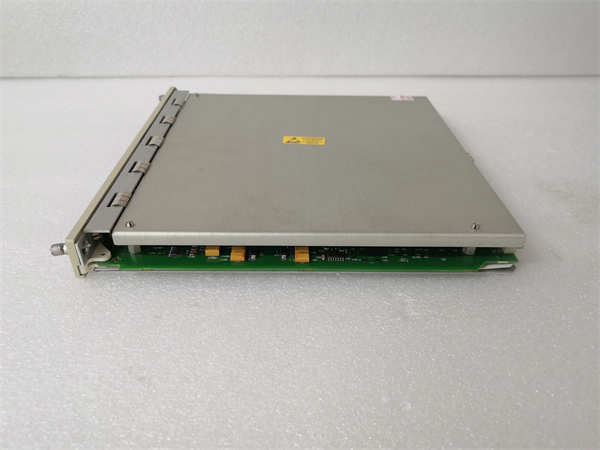
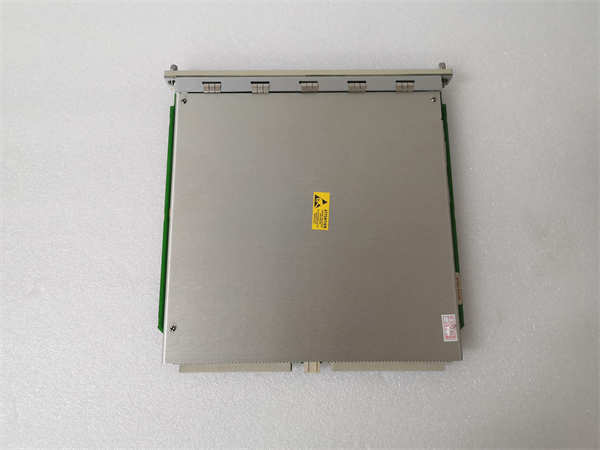
- Product Model: 3500/22M 138607-01
- Manufacturer: Bently Nevada
- System Platform: 3500 Monitoring System (Rack-based machinery protection)
- Channels: 2 independent relay outputs
- Relay Type: Form C (SPDT) electromechanical relays
- Contact Rating: 2 A @ 30 VDC, 1 A @ 125 VAC (resistive load)
- Isolation: 500 V RMS between channels and backplane
- Response Time: < 10 ms from alarm condition to contact closure
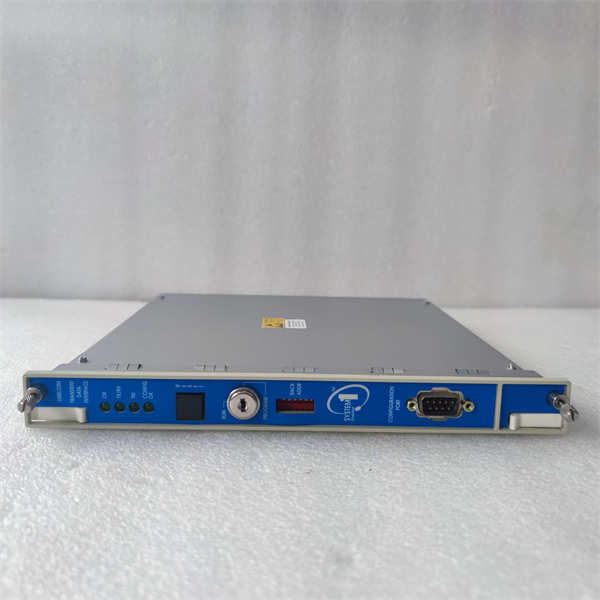
- Configuration: Set via front-panel DIP switches or 3500 Rack Configuration Software (RCS)
- Diagnostic Features: LED indicators for power, OK status, and individual relay activation
- Physical Form: Half-height module (occupies one slot in 3500 rack)
- Firmware Dependency: Requires 3500/20 Rack Interface Module with compatible firmware
System Role and Downtime Impact
The 3500/22M 138607-01 serves as the critical electromechanical interface between Bently Nevada’s 3500 monitoring logic and plant-wide safety or control systems. It is typically configured to trigger alarms (e.g., “Warning”) or initiate hardwired trips (e.g., “Danger” leading to turbine shutdown) based on inputs from vibration, position, or speed sensors. Because it uses physical relays—not solid-state outputs—it provides a certified fail-safe path compliant with API 670 and IEC 61508. If this module fails in a “stuck open” state, a genuine fault may not result in a trip, risking catastrophic equipment damage. Conversely, a “stuck closed” failure could cause a nuisance shutdown. In either case, the integrity of the entire machinery protection system is compromised, potentially leading to unplanned downtime, safety incidents, or regulatory non-compliance.
Reliability Analysis and Common Failure Modes
Despite robust design, the 3500/22M—now commonly 15–25 years old—is vulnerable to several age-related failure mechanisms:
- Relay contact wear or welding: Repeated switching under inductive loads (e.g., solenoid coils) causes arcing, leading to contact erosion or permanent welding shut.
- DIP switch oxidation: Front-panel configuration switches can develop high resistance due to humidity, causing misconfiguration or communication faults with the rack interface.
- PCB trace delamination: Thermal cycling over decades can weaken solder joints or internal traces, especially near relay coils that generate heat during operation.
- Backplane connector corrosion: Oxidation on edge fingers disrupts power or communication, resulting in “Module Fault” indications in the 3500 system.
Preventive actions include periodic functional testing using the 3500 system’s built-in test features (e.g., forcing alarm states), visual inspection for burnt relay coils, cleaning of DIP switches with contact enhancer, and verifying loop continuity with a multimeter during scheduled outages.
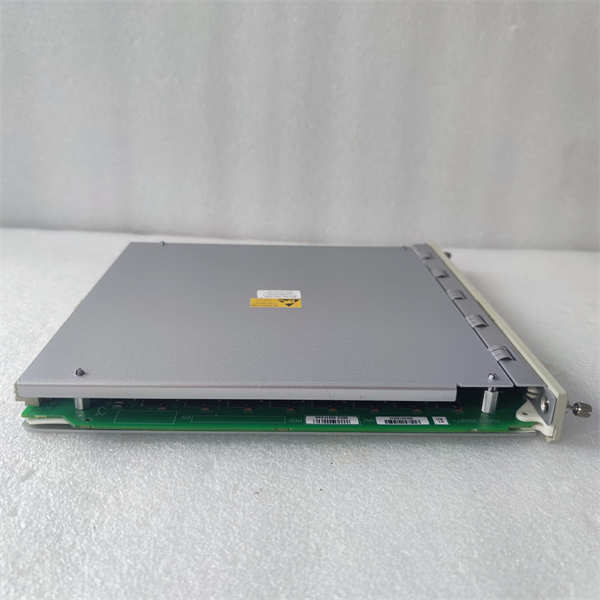
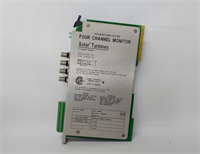
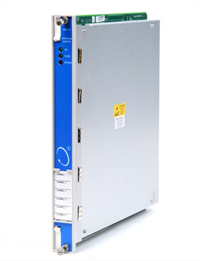
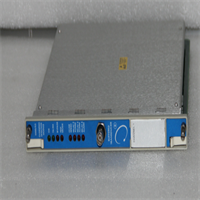
Bently Nevada 3500/22M 138607-01
Lifecycle Status and Migration Strategy
Bently Nevada discontinued the 3500/22M variant in favor of the updated 3500/22 (133394-01) and later the 3500/25 (146793-01) dual relay modules, which offer improved diagnostics, higher contact ratings, and better software integration. The 3500/22M 138607-01 is no longer supported with factory repairs or new production.
As an interim measure, facilities should:
- Maintain at least one tested spare per critical machine train
- Perform annual relay functionality verification during turnaround
- Avoid mixing 22M with newer 22/25 modules in the same rack without verifying compatibility
For long-term sustainability, migration to the 3500/25 is recommended. This upgrade typically requires only software reconfiguration in 3500 Rack Configuration Software—no rewiring—since terminal blocks and rack slots are mechanically and electrically compatible. However, full system revalidation per API 670 is necessary after replacement. Given the safety-critical nature of these outputs, delaying migration increases operational risk. Proactive planning is essential.