 Tel:
Tel:  Email:
  WhatsApp:
 Description
Key Technical Specifications (For Spare Parts Verification)
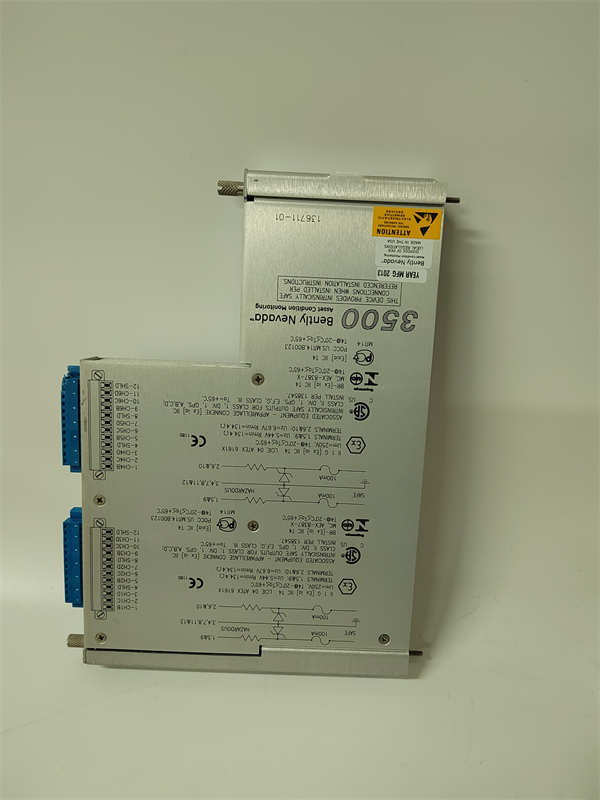
- Product Model: 136711-01
- Manufacturer: Bently Nevada
- System Family: 3500 Machinery Protection System
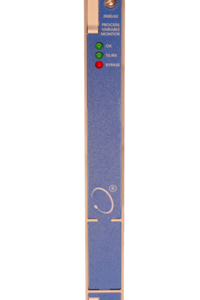
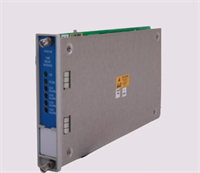
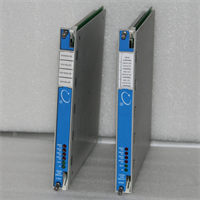
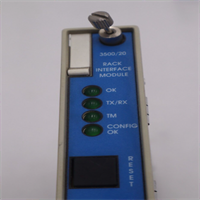
- Module Type: 3500/22M Transient Data Interface (TDI)
- Function: Captures high-resolution dynamic (AC-coupled) and static (DC) vibration waveforms from 3500 monitor modules (e.g., 3500/42M, /44M) during triggered events
- Communication: RS-232/RS-485 serial link to data collector or gateway (e.g., 3500/92 Gateway)
- Sampling Rate: Up to 10 kHz per channel (depending on configuration)
- Trigger Sources: Alarm levels, external TTL signal, or software command
- Redundancy: Not redundant; single-point module in the data acquisition chain
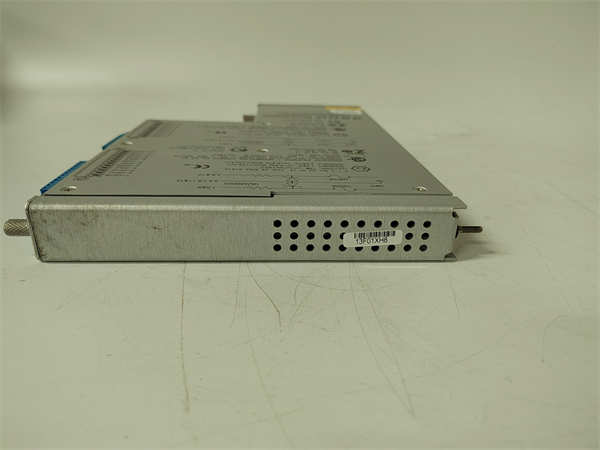
- Form Factor: Half-height module for 3500 rack (occupies one slot)
- Power: Supplied via 3500 backplane
- Certification: Compatible with SIL 2 applications when used in approved architectures (though TDI itself is not a voting trip component)
- Operating Temperature: 0°C to +65°C
System Role and Operational Impact
The 136711-01 TDI module is typically deployed in critical rotating machinery applications—such as gas turbines, steam turbines, centrifugal compressors, and large pumps—in oil & gas, power generation, and petrochemical facilities. It does not participate in the safety shutdown logic (which is handled by analog relay outputs on modules like the 3500/53), but it provides essential post-event forensic data.
When a vibration alarm occurs (e.g., high shaft displacement or bearing temperature), the TDI captures millisecond-level waveform snapshots before, during, and after the event. This data is used to:
- Diagnose rubs, cracks, imbalance, or misalignment
- Validate whether a trip was justified or spurious
- Support API 670 compliance for machinery protection documentation
If the TDI fails or is missing:
- No high-fidelity transient data is available for analysis
- Maintenance teams lose visibility into root causes of alarms
- Recurring issues may go undetected, increasing risk of catastrophic failure
While not causing immediate process shutdown, its absence significantly degrades asset reliability and increases long-term operational risk.
Reliability Analysis and Common Failure Modes
Despite rugged industrial design, aging 136711-01 modules exhibit several failure mechanisms:
- Serial communication IC degradation: UART or RS-485 transceivers fail due to ESD exposure or ground loops, breaking data transmission to the gateway.
- Firmware corruption: Loss of configuration due to battery-backed SRAM failure (internal capacitor or trace leakage over time).
- Backplane connector oxidation: Intermittent contact with the 3500 rack leads to “module fault” indications or data dropouts.
- Internal oscillator drift: Affects timing accuracy of waveform sampling, reducing diagnostic fidelity.
Design limitations include lack of built-in self-test beyond basic LED status and dependence on stable serial cabling. For preventive maintenance, technicians should:
- Verify TDI communication during routine 3500 system checks using Rack Configuration Software (RCS)
- Monitor “COMM FAULT” or “NO DATA” flags in System 1 or historian logs
- Ensure proper shield grounding on serial cables to prevent noise-induced errors
- Keep firmware and configuration backups of the entire 3500 rack
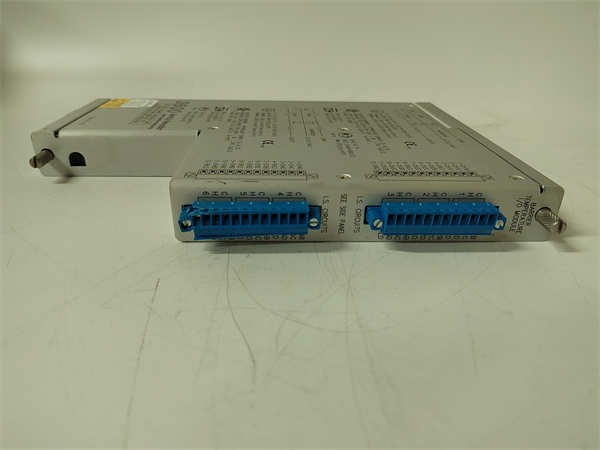
BENTLY 136711-01
Lifecycle Status and Migration Strategy
Bently Nevada has discontinued the 136711-01 as part of its transition toward the 3500/94 Enhanced Gateway and System 1 v22+ platforms, which integrate transient data capture directly into modern gateway modules. The 3500/22M TDI is no longer produced, and official repair services are unavailable. Continuing to rely on this module introduces risk: inability to replace failed units, loss of waveform data continuity, and challenges in integrating with modern analytics platforms.
As an interim solution, facilities may:
- Source only from authorized Bently Nevada service partners who provide full functional test reports
- Maintain at least one spare per critical machine train
- Configure alternate data logging via 3500/92 or /94 gateways if compatible monitors support buffered waveform output
For strategic migration, Bently Nevada recommends upgrading to the 3500/94 Enhanced Gateway, which:
- Eliminates the need for a separate TDI module
- Provides Ethernet-based access to transient data via OPC UA or Modbus TCP
- Supports integration with Bently’s Asset Performance Management (APM) cloud tools
- Offers enhanced cybersecurity and remote diagnostics
Given its role in preserving critical machinery health intelligence, the obsolescence of the 136711-01 warrants proactive management. While not a safety-trip component, its loss erodes the foundation of predictive maintenance—making early action essential for long-term asset integrity.