 Tel:
Tel:  Email:
  WhatsApp:
 Description
Key Technical Specifications (for Spare Parts Verification)
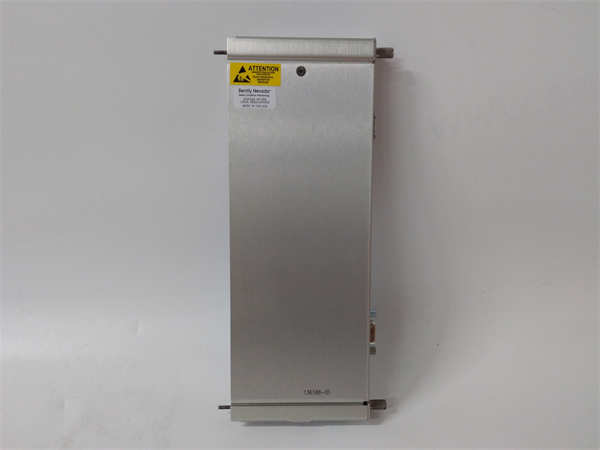
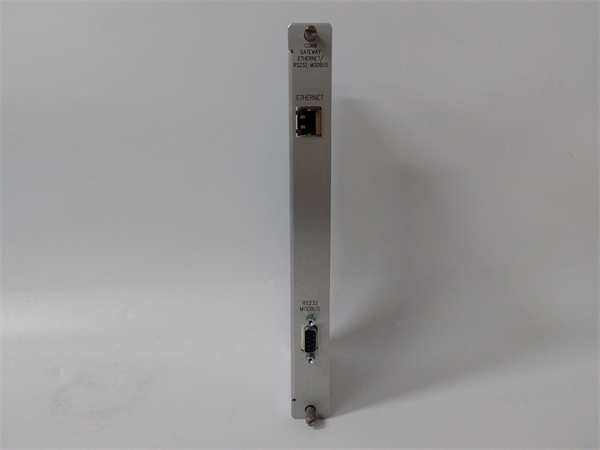
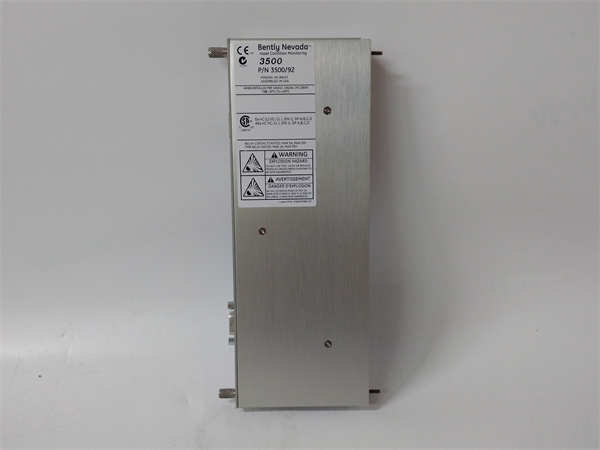
- Product Model: 136188-01
- Manufacturer: Bently Nevada
- System Family: 3500 Machinery Protection System
- Module Type: 3500/42M Dual-Channel Monitor
- Input Types: Accepts proximity probe (displacement) or seismic (velocity/acceleration) signals
- Output Configuration: Two independent alarm/trip relay channels per module
- Compliance: Meets API 670 5th Edition requirements for machinery protection
- Mounting: Standard 3500 chassis slot (not slot 1)
- Power: Supplied via 3500 backplane (±24 V DC)
- Configuration: Set via front-panel keypad or 3500 Rack Configuration Software
- Firmware Dependency: Must be compatible with 3500/92 Rack Interface Module firmware
-

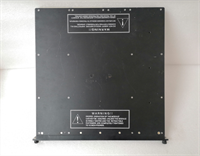
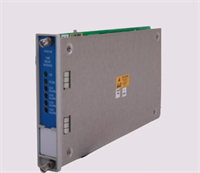
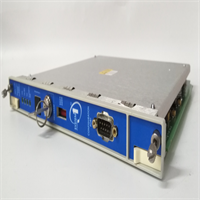
Bently 136188-01
System Role and Downtime Impact
The 136188-01 (3500/42M) is a foundational component in critical rotating equipment protection systems—commonly deployed on steam turbines, compressors, pumps, and generators. It continuously evaluates input from non-contacting proximity probes or seismic sensors to detect abnormal shaft movement or casing vibration. Upon exceeding user-defined alarm or trip thresholds, it activates dry contact relays that interface directly with emergency shutdown systems (ESD) or DCS trip logic. Failure of this module can result in either nuisance trips (causing unplanned downtime) or, more critically, failure to trip during an actual fault—posing severe safety and mechanical integrity risks. In regulated industries such as oil & gas or power generation, loss of a certified API 670-compliant monitor may violate operational permits, necessitating immediate remediation.
Reliability Analysis and Common Failure Modes
Despite robust industrial design, the 136188-01 is subject to aging effects due to its deployment timeline (predominantly early-to-mid 2000s). The most prevalent failure mode involves degradation of analog signal conditioning circuitry, leading to drift in measurement accuracy or false alarms. Electrolytic capacitors on the power supply section often dry out over time, causing intermittent resets or complete power dropout. Additionally, the front-panel membrane keypad is prone to wear or delamination, complicating field configuration during emergencies. A design vulnerability is the module’s reliance on precise probe gap calibration—if internal reference voltages shift due to component aging, vibration readings may become unreliable without obvious fault indication. For preventive maintenance, technicians should perform annual calibration checks against known references, inspect for capacitor leakage or PCB discoloration, verify relay contact resistance, and ensure clean, secure backplane connections. Storing spares in climate-controlled conditions and powering them periodically can mitigate latent failures.
-
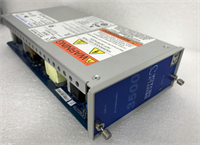
Bently 136188-01
Lifecycle Status and Migration Strategy
Bently Nevada has discontinued the 136188-01 as part of the broader 3500 legacy product phase-out. No new units are available through official channels, and technical support is limited to legacy service agreements. Continued use introduces significant operational risk: spare parts scarcity, lack of firmware updates, and incompatibility with modern cybersecurity frameworks. Short-term mitigation includes maintaining a pool of tested spares, using third-party repair services, or implementing redundant monitoring via external vibration systems. However, the recommended long-term solution is migration to Bently Nevada’s System 1 platform. This can be achieved through the 3500 Migration Path, which replaces obsolete monitors with 3500/42R or 3500/45R modules that maintain form-fit-function compatibility while enabling enhanced diagnostics and network connectivity. Alternatively, facilities may transition to Asset Monitor or Gateway 6000 solutions for cloud-enabled condition monitoring. Migration preserves existing sensor wiring but restores compliance, support access, and integration with enterprise asset management systems.