Tel:
Tel:  Email:
  WhatsApp:
 Description
Key Technical Specifications (For Spare Parts Verification)
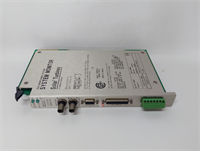
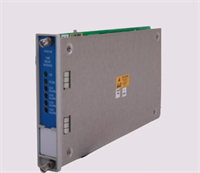
- Product Model: 3500/32 Relay Module
- Bently Part Number: 125768-01
- System Family: 3500 Machinery Protection System
- Relay Channels: 4 independent electromechanical relays (Form C contacts: SPDT)
- Contact Ratings:
- 2 A @ 30 VDC (resistive load)
- 1 A @ 125 VAC
- Maximum switching voltage: 250 VAC / 125 VDC
- Input Source: Receives alarm status from 3500 monitor modules (e.g., 3500/42M, /44M) via backplane
- Configuration: Each relay assignable to specific alarm conditions (Alert, Danger, OK-to-Run, etc.) using Rack Configuration Software (RCS)
- Diagnostics: Individual LED indicators per channel (energized/de-energized); module-level fault detection
- Redundancy Support: Not inherently redundant, but often used in parallel with other relay modules for critical trips
- Form Factor: Half-height module (occupies one slot in 3500 rack)
- Certification: Designed for compliance with API 670 (5th Edition) and supports IEC 61508 SIL 2 applications when deployed in approved architectures
- Operating Temperature: 0°C to +65°C
System Role and Safety Impact
The 125768-01 (3500/32) is a mission-critical output device in machinery protection systems for gas turbines, steam turbines, centrifugal compressors, and large pumps. It translates internal alarm logic into physical dry-contact closures that interface with:
- Emergency Shutdown (ESD) systems
- Turbine trip solenoids
- Motor starter interlocks
- Plant DCS or fire & gas panels
Unlike data modules, the 3500/32 directly enables or inhibits safety actions. A failure mode such as contact welding (stuck closed) or coil burnout (fails to close) can result in:
- Fail-dangerous: Machine continues operating during a hazardous condition (e.g., high shaft vibration, bearing overheating)
- Fail-safe: Unplanned spurious trip causing production loss (less severe but still costly)
Because it often forms part of a Safety Instrumented Function (SIF), its reliability is subject to LOPA, HAZOP, and regulatory audits under OSHA PSM and IEC 61511.
Reliability Analysis and Common Failure Modes
Despite rugged industrial design, aging 125768-01 modules exhibit predictable degradation after 10–20 years:
- Contact welding: Caused by arcing when switching inductive loads (e.g., solenoid coils), leading to permanent closure—the most dangerous failure mode.
- Relay coil failure: Drive circuit transistors or internal coils degrade due to thermal cycling or overvoltage, resulting in open circuits.
- Mechanical fatigue: Spring tension weakens over time, increasing contact bounce or causing incomplete actuation.
- Backplane connector corrosion: Leads to intermittent communication, causing “ghost” relay states or configuration mismatches.
- EEPROM corruption: Rare, but possible due to EMI or aging memory, causing incorrect alarm-to-relay mapping.
Design limitations include finite mechanical life (~100,000 operations) and no built-in contact supervision—meaning welded contacts cannot be detected without external monitoring.
For preventive maintenance, technicians should:
- Perform annual proof tests that verify both electrical continuity and mechanical operation under representative load
- Install flyback diodes or RC snubbers on inductive field devices to suppress voltage spikes
- Use external contact supervision relays in SIL 2+ applications (subject to revalidation)
- Monitor RCS logs for “Relay Mismatch,” “Output Fault,” or unexpected state changes
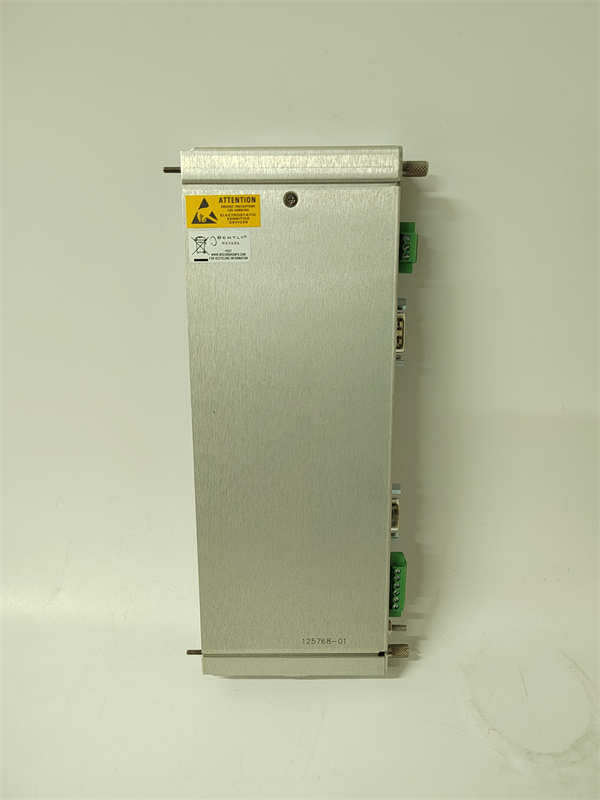
Bently Nevada 125768-01
Lifecycle Status and Migration Strategy
Bently Nevada has discontinued the 125768-01 as part of its strategic shift toward more advanced relay modules like the 3500/53 Dual Relay Module and integration with the 3500/94 Enhanced Gateway. The 3500/32 is no longer in production, and factory repair services are unavailable outside legacy support agreements.
Continued reliance introduces significant risks:
- Inability to source verified, tested replacements
- Loss of compliance with IEC 61511 spare parts availability requirements
- Increased exposure to undetected dangerous failures
Interim Mitigation Measures
- Procure spares only from Bently Nevada–authorized service partners who provide full operational testing (including contact resistance and load simulation)
- Maintain at least two tested spares per critical machine train
- Implement external relay health monitoring where safety integrity demands it
Long-Term Migration Path
Bently recommends upgrading to the 3500/53 Dual Relay Module, which offers:
- Dual-channel voting architecture for higher diagnostic coverage
- Built-in feedback for contact weld detection
- Better integration with System 1 v22+ and Asset Performance Management (APM) platforms
- Enhanced cybersecurity and remote diagnostics via Ethernet
Given its role as a final element in machinery protection sequences, the obsolescence of the 125768-01 represents a high-severity process safety risk. Proactive management—through formal sparing, rigorous testing, or inclusion in a capital modernization plan—is essential to ensure continued operational safety, regulatory compliance, and asset reliability.