 Tel:
Tel:  Email:
  WhatsApp:
 Description
Key Technical Specifications (For Spare Parts Verification)
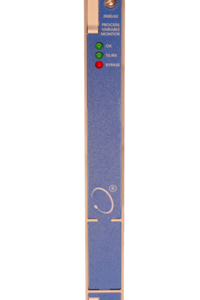
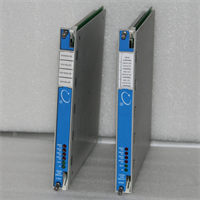
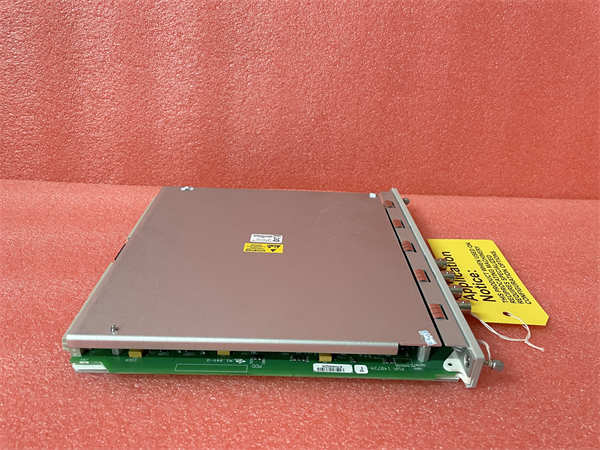
- Model Number: 3500/42M
- Manufacturer: Bently Nevada (Baker Hughes)
- System Family: 3500 Machinery Protection System
- Input Channels: 2 independent channels (accepts -2 to -18 VDC from eddy-current probes)
- Signal Types Supported: Radial vibration, axial position, differential expansion, valve position
- Output Interface: Internal digital bus to 3500 frame (no field wiring); alarm/status sent to relay modules (e.g., 3500/65)
- Configuration Method: Rack Configuration Software (RCS) via 3500/34 or 3500/44 interface module
- Module Width: Single slot (fits standard 3500 4U rack)
- Power Source: +24 VDC from backplane
- Firmware Dependency: Requires compatible 3500 frame firmware (typically v4.00–v5.10)
System Role and Downtime Impact
The 3500/42M is a foundational monitoring module within legacy Bently Nevada 3500 protection systems, commonly deployed on steam turbines, compressors, and large pumps in oil & gas, power generation, and petrochemical facilities. It processes raw signals from proximity probes and provides real-time Alert and Danger alarm levels to the system’s relay output modules. If this module fails or becomes unresponsive, the associated protection logic for one or two critical machine parameters is lost. In a non-redundant configuration, this could result in either an unplanned trip (if fail-safe logic is triggered) or—more dangerously—a complete loss of mechanical protection, potentially leading to catastrophic equipment damage and extended plant downtime.
Reliability Analysis and Common Failure Modes
Despite its robust design, the 3500/42M is subject to age-related degradation due to its typical deployment in harsh industrial environments over decades. The most common failure modes include:
- Electrolytic capacitor aging: Internal power filtering capacitors degrade over time, especially in high-temperature control rooms, leading to unstable internal voltages and erratic behavior or complete failure.
- Backplane connector corrosion: Repeated thermal cycling and humidity exposure can cause oxidation on the gold fingers, resulting in intermittent communication with the 3500 frame.
- Firmware corruption: Although rare, static discharge or power anomalies during maintenance can corrupt the module’s configuration memory.
- Analog front-end drift: The precision amplifier circuits may experience long-term drift, causing inaccurate scaling of vibration or position readings.
Key design vulnerabilities include reliance on stable backplane power and sensitivity to EMI if shielding is compromised. For preventive maintenance, technicians should:
- Inspect the module’s status LEDs regularly for “OK” and alarm indications
- Verify channel calibration annually using a known signal source
- Clean backplane contacts during routine rack maintenance
- Maintain ambient temperature below 50°C to extend component life
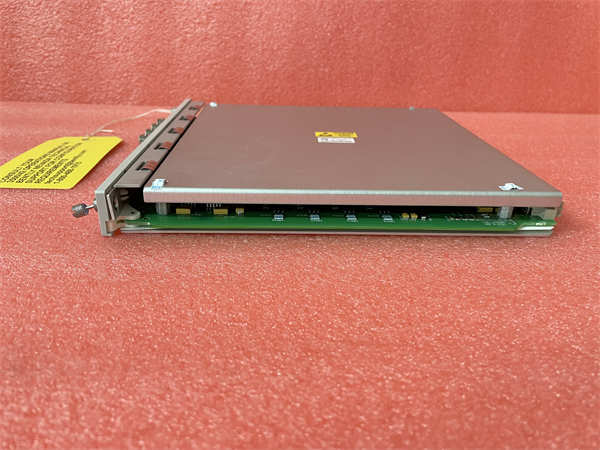
BENTLY 3500-42M
Lifecycle Status and Migration Strategy
Bently Nevada has officially discontinued the 3500/42M as part of the broader 3500 platform phase-out. While the system remains widely installed, no new units are manufactured, and factory repair services are increasingly restricted. Continued use carries substantial risk: spare parts are scarce, counterfeit units exist in the gray market, and technical support for troubleshooting is limited.
As a temporary measure, facilities may:
- Secure tested, verified spares from reputable suppliers with full functional reports
- Implement board-level repair programs with certified third-party service providers
- Deploy redundant monitoring paths using external vibration transmitters feeding into a PLC-based backup layer
For long-term sustainability, Baker Hughes recommends migrating to the 3500/42R (if still available) or, more strategically, to the System 1 platform with Velomitor® and Proximity Sensor integration or the Bently Nevada Asset Protector solution. A full migration typically requires:
- Replacement of the entire 3500 rack and I/O modules
- Reconfiguration of protection logic in new software (e.g., System 1 Software)
- Recalibration of all sensors and verification against API 670 requirements
Given the critical safety role of this module, a proactive obsolescence management plan—not reactive break-fix—is essential to ensure operational continuity and regulatory compliance.