 Tel:
Tel:  Email:
  WhatsApp:
 Description
Key Technical Specifications (For Spare Parts Verification)
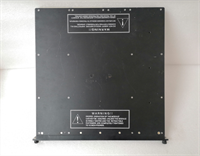
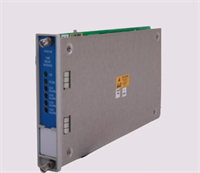
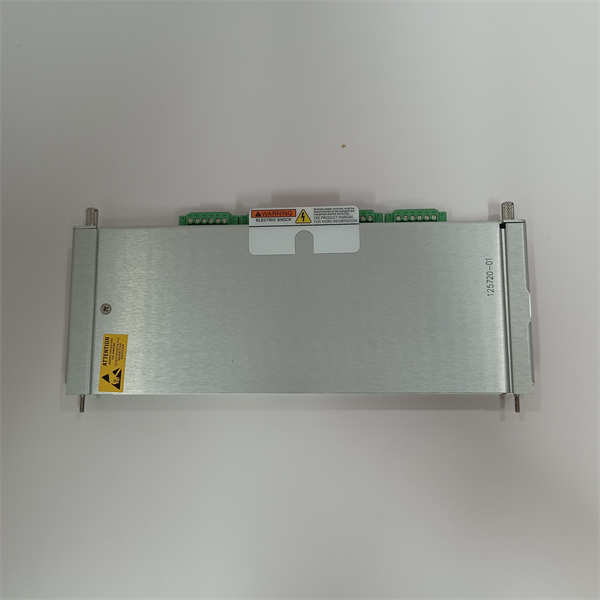
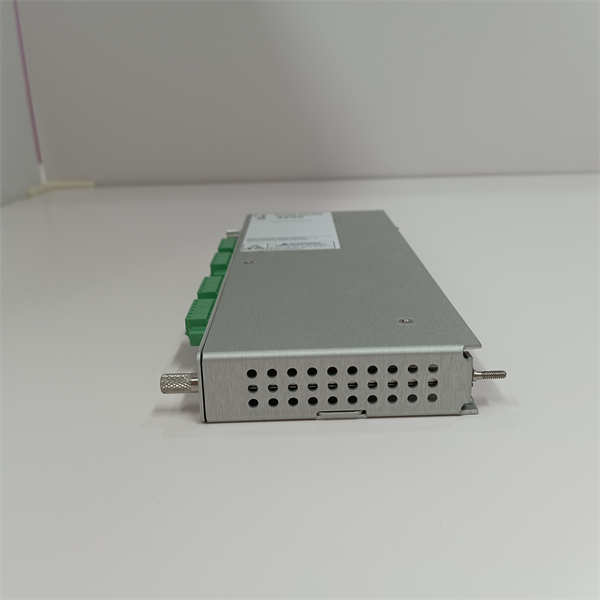
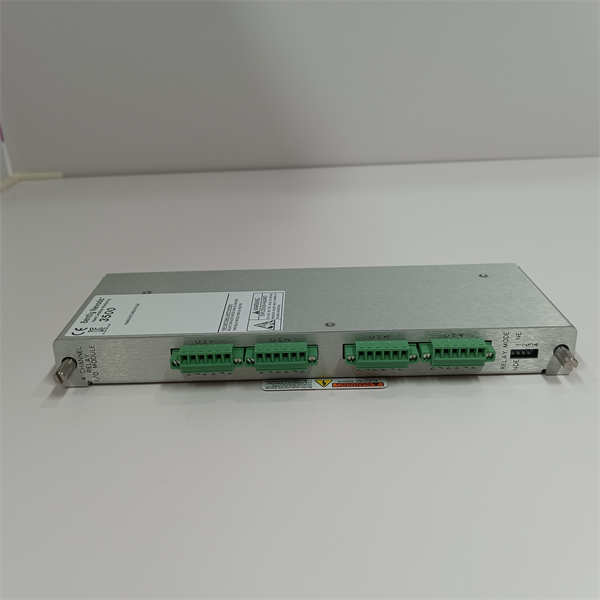
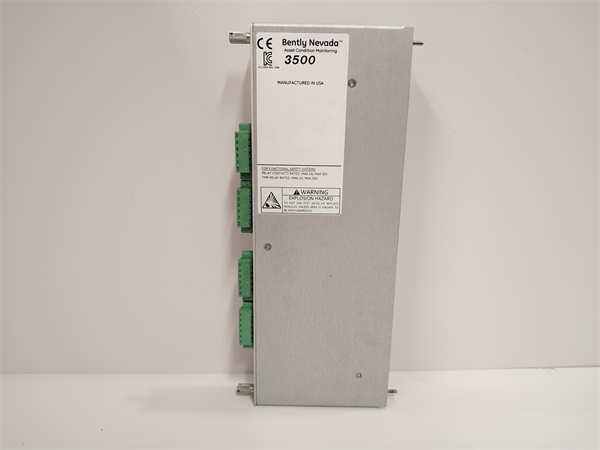
- Product Model: 3500/32
- Part Number: 125720-01
- Manufacturer: Bently Nevada (Baker Hughes)
- System Family: 3500 Machinery Protection System
- Module Type: 4-Channel Relay Output Module
- Relay Configuration: Form C (SPDT) dry contacts, isolated per channel
- Contact Rating: 2 A @ 30 VDC / 250 VAC (resistive load)
- Input Source: Logic signals from 3500 monitor modules (e.g., 3500/42, /45)
- Backplane Compatibility: 3500 chassis with standard I/O backplane
- Diagnostic Features: LED indicators per channel (energized/de-energized status)
- Operating Temperature: 0°C to 65°C
System Role and Downtime Impact
The 3500/32 module serves as the final output interface between the Bently Nevada 3500 monitoring system and external safety or control systems. It converts internal logic-level alarm/trip signals into isolated, hardwired relay contacts used to trigger emergency shutdowns (ESD), turbine trips, or operator alerts. In rotating equipment applications—such as steam turbines, compressors, or generators—this module is often part of a SIL-rated safety function. If the 3500/32 fails (e.g., welded contacts, coil burnout, or loss of signal), it may either cause a nuisance trip (false positive) or, more critically, fail to actuate during an actual overspeed or vibration event (dangerous failure). Either scenario can lead to unplanned downtime, equipment damage, or safety incidents. Since the 3500 system typically lacks redundant relay outputs, this module represents a single point of failure in the protection chain.
Reliability Analysis and Common Failure Modes
Although designed for industrial environments, the 3500/32 is vulnerable to electromechanical wear due to its reliance on physical relays. Common failure modes include contact welding from repeated switching under inductive loads, coil degradation from thermal cycling, and PCB trace corrosion in high-humidity installations. The module’s lack of self-diagnostics beyond basic LED indication means latent failures (e.g., degraded contact resistance) often go undetected until a trip event occurs. Additionally, the original design uses through-hole relays that are no longer in production, making board-level repairs challenging.
Preventive maintenance recommendations include:
- Performing periodic contact resistance tests during plant outages
- Verifying relay actuation via simulated alarm signals using 3500 Rack Interface Software
- Inspecting for discoloration or burnt smell near relay coils
- Ensuring external wiring does not exceed contact ratings (avoid inductive kick without suppression)
- Maintaining spare units in sealed, dry storage to prevent moisture ingress
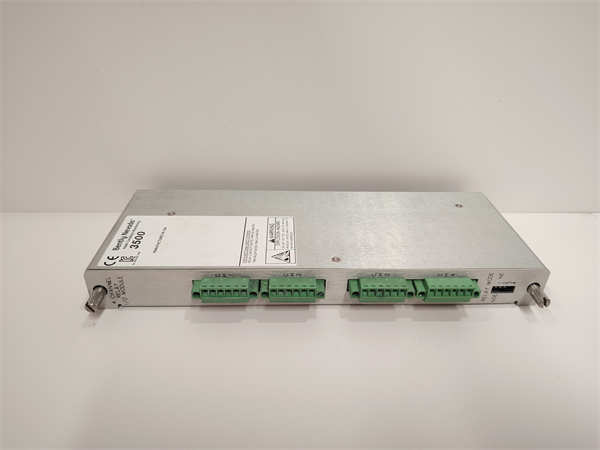
Bently 3500/32 125720-01
Lifecycle Status and Migration Strategy
Bently Nevada has officially discontinued the 3500/32 (125720-01), with end-of-life notices issued years ago. New units are unavailable from the manufacturer; remaining inventory exists only in the secondary market at premium prices (often 2–4× original cost). Technical support for troubleshooting is limited, and firmware/software compatibility issues may arise with newer versions of System 1 or 3500 Configuration Software.
As an interim solution, facilities may use verified refurbished modules or implement external relay marshaling panels driven by alternative 3500 outputs—but this adds complexity and potential failure points. The strategic migration path is to upgrade to the Bently Nevada 3500/33M or transition to the newer Bently Nevada Guardian platform, which offers solid-state relay options, enhanced diagnostics, and native integration with modern asset management systems. However, full replacement requires re-engineering the I/O architecture, re-validation of protection logic, and recertification of safety functions—making proactive planning essential to avoid operational disruption.