 Tel:
Tel:  Email:
  WhatsApp:
 Description
Key Technical Specifications (For Spare Parts Verification)
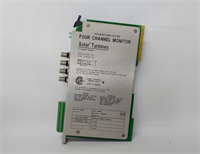
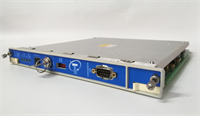
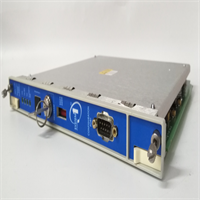
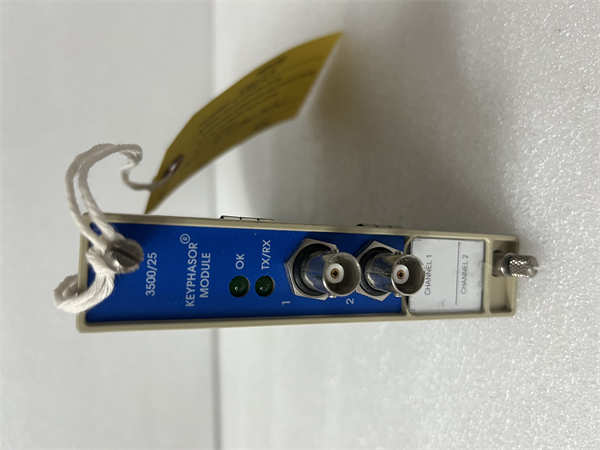
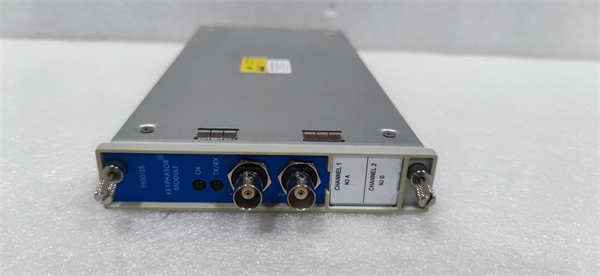
- Product Model: 3500/25 149369-01
- Manufacturer: Bently Nevada (now part of Baker Hughes)
- System Family: 3500 Machinery Monitoring and Protection System
- Input Channels: 2 independent, differential inputs
- Sensor Compatibility: Accepts inputs from standard Bently Nevada proximity probes (e.g., 3300/3300 XL series) with -24 VDC bias
- Signal Range: ±5 V full scale (typical for 8 mV/μm or 200 mV/mil probes)
- Filtering: Configurable high-pass (0.7 Hz to 10 Hz) and low-pass (100 Hz to 10 kHz) analog filters
- Output Options: Real-time buffered outputs (±10 V), plus OK status relay per channel
- Mounting: Occupies one I/O slot in standard 3500 rack (requires 3500/15 or /22 power supply)
- Certification: Designed to meet API 670 (4th and 5th editions) for machinery protection systems
System Role and Downtime Impact
The 3500/25 149369-01 serves as the primary signal conditioning and monitoring front-end for critical rotating equipment such as turbines, compressors, and large pumps. It converts raw proximity probe signals into calibrated vibration or displacement values used for both continuous monitoring and protective trip logic. If this module fails—due to internal component degradation or configuration loss—the system loses visibility into shaft behavior. In a protection-configured setup, this may trigger a “module fault” alarm that forces the associated trip relay (e.g., on a 3500/65) into a safe state, potentially causing an unplanned shutdown of the entire process train. For facilities operating under API 670 compliance, loss of this module compromises the integrity of the mechanical protection layer.
Reliability Analysis and Common Failure Modes
Despite its robust design, the 3500/25 is susceptible to age-related degradation due to its long field service life (many units deployed since the late 1990s). The most frequent failure modes include:
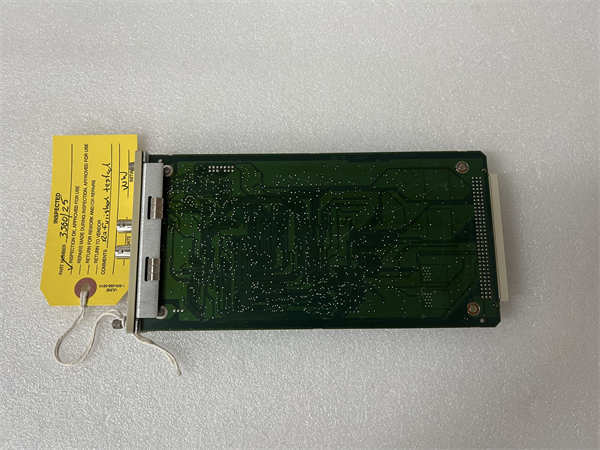
- Electrolytic capacitor aging: Power supply filtering capacitors on the internal DC-DC converter degrade over time, leading to output ripple, intermittent resets, or complete power loss.
- Bias voltage drift: The -24 VDC sensor excitation circuit may drift outside tolerance, causing inaccurate probe readings or probe fault alarms.
- Analog front-end contamination: Dust, oil vapor, or salt ingress in harsh environments can cause leakage currents on high-impedance input circuits, resulting in signal noise or offset errors.
- EPROM data corruption: Older revisions using EPROM for configuration storage are vulnerable to bit rot or battery-backed RAM failure, leading to lost calibration or filter settings.
As a maintenance best practice, facilities should:
- Perform annual verification of bias voltage and output linearity using a precision calibrator
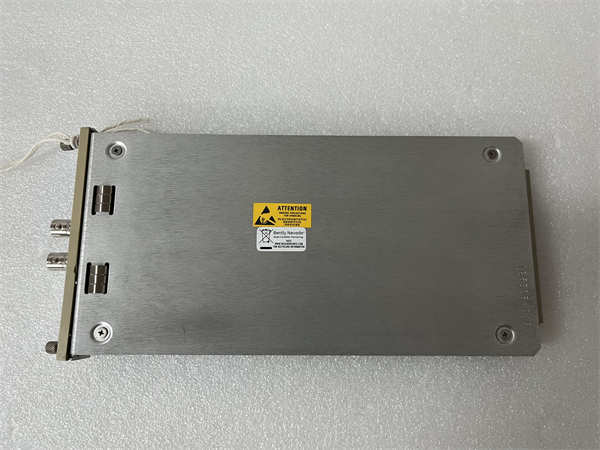
- Inspect module ventilation slots for dust buildup and clean with ESD-safe tools
- Monitor for intermittent “Probe OK” status toggling, which often precedes full failure
- Maintain at least one verified spare unit in climate-controlled storage
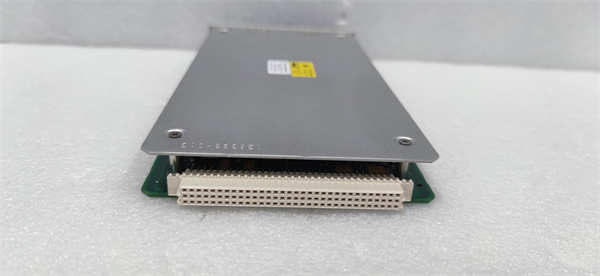
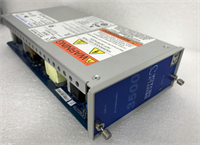
BENTLY 3500/25 149369-01
Lifecycle Status and Migration Strategy
Bently Nevada officially discontinued the 3500/25 (including revision 149369-01) several years ago. While the 3500 platform remains supported, new production of this specific card has ceased. Continued use carries significant risk: verified spares are scarce, counterfeit units have entered the gray market, and OEM repair services are increasingly limited.
For sites unable to execute a full system migration immediately, recommended interim measures include:
- Sourcing tested, traceable spares from certified independent suppliers with full functional reports
- Implementing board-level repair programs for non-catastrophic failures (e.g., capacitor replacement)
- Isolating critical machines on redundant monitoring paths where feasible
The official migration path from Baker Hughes is to transition to the 3500/42M or 3500/45 modules within the same 3500 rack architecture. These newer cards offer enhanced diagnostics, digital configuration, and improved noise immunity while maintaining backward compatibility with existing proximity probes and mounting hardware. However, migration requires reconfiguration via Rack Configuration Software and validation against original alarm/trip setpoints. For greenfield or major modernization projects, the Bently Nevada System 1 platform (with 3500 emulation capability) represents the strategic long-term direction.