 Tel:
Tel:  Email:
  WhatsApp:
 Description
Key Technical Specifications (For Spare Verification)
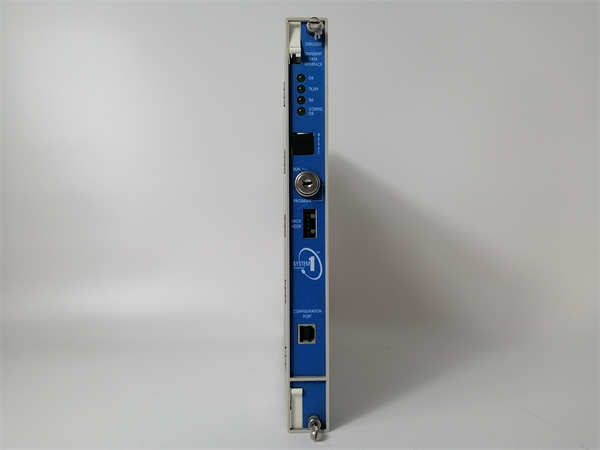
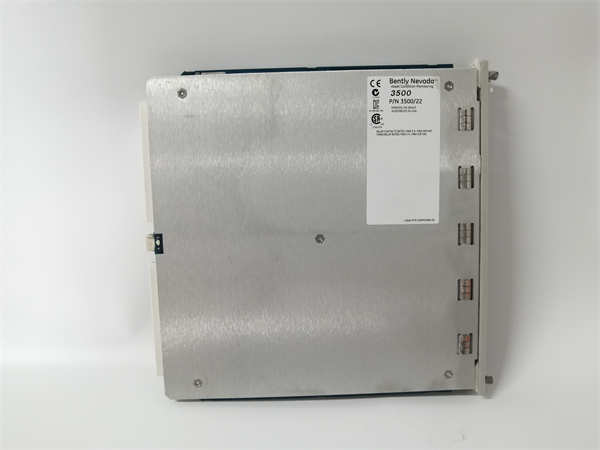
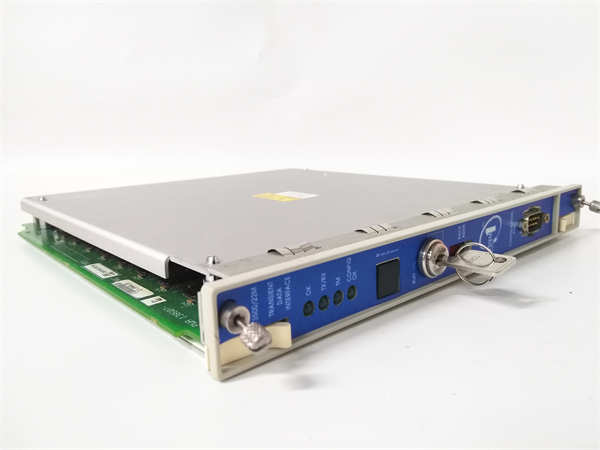
- Product Model: 3500/22M
- Bently Nevada Part Number: 288055-01
- System Family: 3500 Rack-Based Machinery Protection System
- Relay Configuration: Two independent, dual-redundant Form C (SPDT) electromechanical relays per channel (total of 4 relays)
- Relay Ratings: 2 A @ 30 VDC; 1 A @ 120 VAC (resistive load)
- Fail-Safe Design: Relays de-energize on loss of power or module fault (normally energized during healthy operation)
- Redundancy Support: Yes—each channel can be configured for 1oo2 (one-out-of-two) voting logic via system software
- Status Indicators: Per-channel OK/FAULT LEDs; relay status visible via front-panel indicators
- Mounting: Plug-in module for standard 3500 chassis (e.g., 3500/05 or 3500/42 racks)
- Compliance: Meets API 670 (5th Ed.) requirements for machinery protection systems
System Role and Downtime Impact
The 3500/22M is a safety-critical component in Bently Nevada’s 3500 machinery protection architecture, widely deployed in oil & gas, power generation, and petrochemical facilities. It serves as the final hardware interface between the monitoring system and plant-wide emergency shutdown (ESD) or trip circuits. Upon detection of dangerous vibration, position, or speed conditions by input modules (e.g., 3500/42, 3500/45), the 3500/22M de-energizes its relays to trigger turbine trips, valve closures, or motor stops.
In non-redundant configurations, failure of this module can result in either:
- Spurious trip (if relay sticks open or falsely de-energizes), causing unplanned downtime
- Failure to trip (if relay welds shut or logic fails), risking catastrophic mechanical damage
Given its role in protecting multi-million-dollar assets, any degradation or unavailability of the 3500/22M poses significant operational, safety, and financial risk—especially since many installations lack hot-swap capability or N+1 redundancy.
Reliability Analysis and Common Failure Points
Although built to industrial standards, the 3500/22M is susceptible to several failure mechanisms over time:
- Electromechanical relay wear: Repeated cycling or high inrush currents cause contact erosion, leading to increased resistance or welded contacts.
- Coil driver circuit failure: Semiconductor switches driving relay coils degrade due to thermal stress, resulting in stuck-energized states (dangerous failure mode).
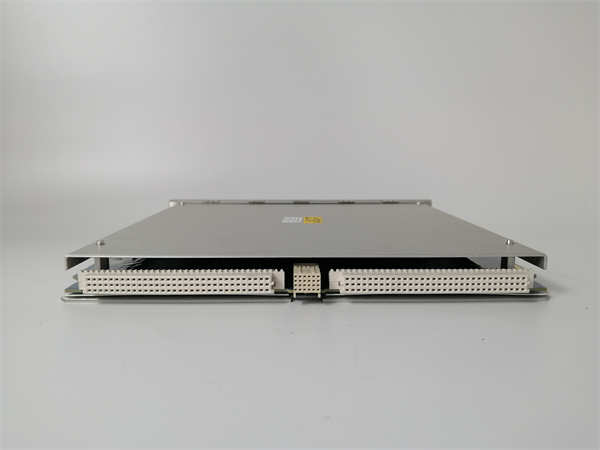
- Backplane connector corrosion: Oxidation on the DIN 41612-style edge connector causes intermittent communication or power loss, triggering false faults.
- Capacitor aging on internal logic board: Affects timing circuits and watchdog functions, potentially compromising fail-safe behavior.
A key design strength is its independent channel isolation, but a limitation is the lack of remote health diagnostics—most faults are only detectable via local LED indicators or system alarms. To mitigate risk, maintenance teams should:
- Perform periodic functional tests using the 3500 Rack Interface or ToolboxST software
- Verify relay operation under simulated alarm conditions during scheduled outages
- Inspect and clean backplane connectors during rack maintenance
- Maintain calibrated spares in climate-controlled storage
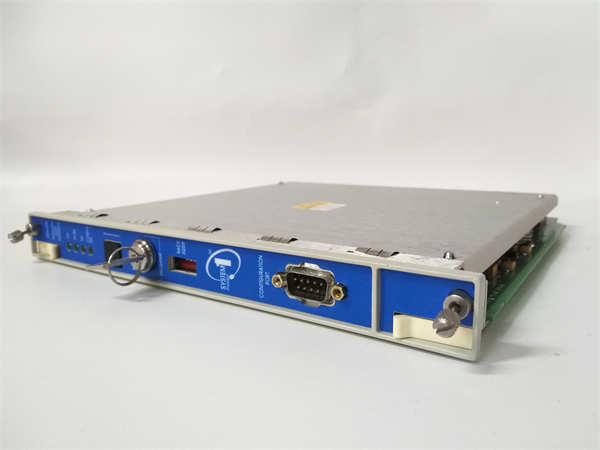
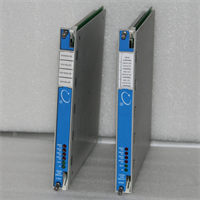
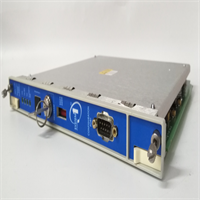
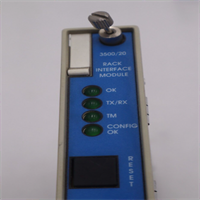
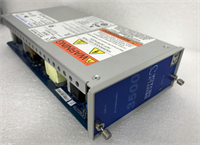
BENTLY 3500/22M 288055-01
Lifecycle Status and Migration Strategy
Baker Hughes (owner of Bently Nevada) has transitioned focus to the 3500/94 Enhanced Relay Module and next-generation System 1 and Orbit 60 platforms. While limited support may exist for the 3500/22M through service contracts, new production has ceased, and long-term spare availability is not guaranteed.
As an interim measure, facilities may procure factory-refurbished units or use third-party test benches to validate used modules—but traceability to original calibration is often lost.
The recommended long-term path is to upgrade to the 3500/94 Relay Module (PN: 288344-01), which offers:
- Higher relay ratings and improved diagnostics
- Compatibility with existing 3500 racks (direct replacement in most cases)
- Enhanced cybersecurity and communication features
- Continued factory support and compliance with current API 670 revisions
For greenfield or major retrofit projects, migration to Orbit 60 provides a fully modular, SIL-capable machinery protection system with digital I/O, advanced analytics, and cloud connectivity—future-proofing critical asset protection for decades.