 Tel:
Tel:  Email:
  WhatsApp:
 Description
Technical Specifications (For Spare Part Verification)
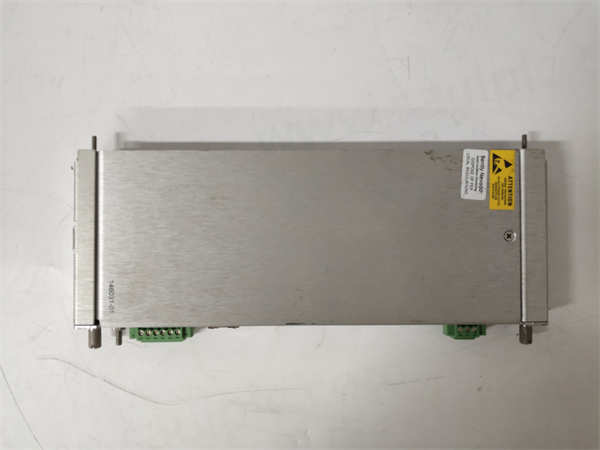
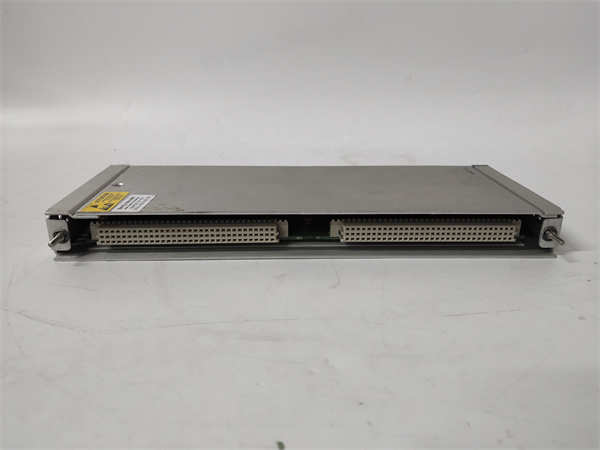
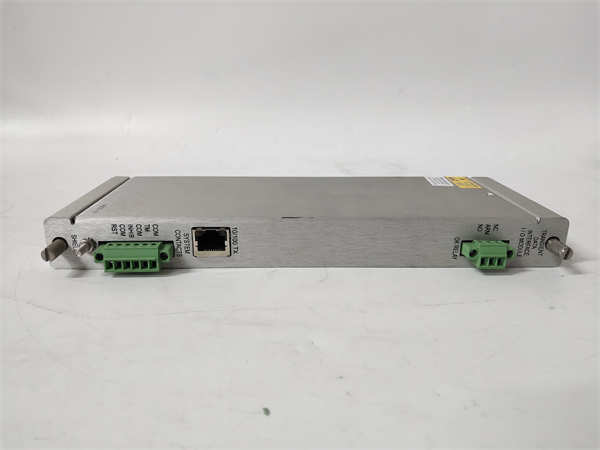
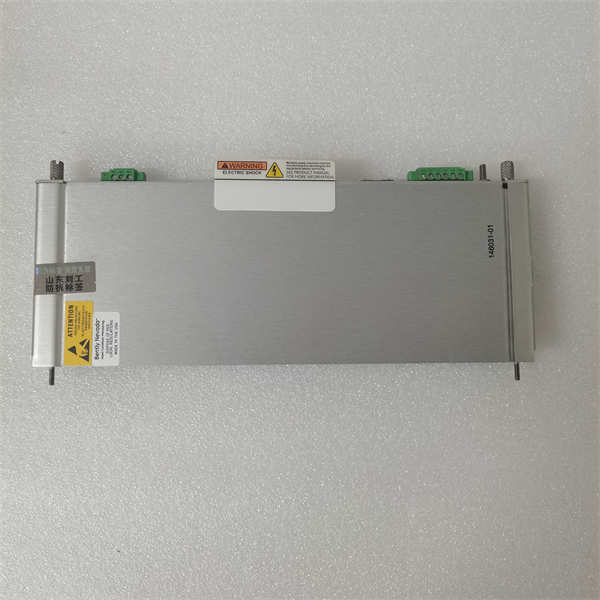
- Product Model: 146031-01
- Manufacturer: BENTLY NEVADA
- System Compatibility: Designed for use with Bently 3300/3301 non-contacting displacement (proximity) probes and matching 3300/3300 XL proximitors
- Cable Length: 31 feet (9.45 meters) ±1%
- Connector Type:
- Probe end: Miniature coaxial twist-lock (Bently standard, often labeled “P” or “Probe”)
- Proximitor end: Standard Bently coaxial connector (often labeled “C” or “Conduit”)
- Electrical Characteristics:
- Nominal capacitance: ~87 pF/ft (total ~2,700 pF)
- Impedance: Unbalanced coaxial, optimized for -24 VDC constant-current excitation
- Shield: Foil + braid, grounded at proximitor end only
- Jacket Material: Polyurethane or PVC (varies by production batch), rated for industrial environments
- Color Coding: Typically gray or black jacket; may include length label printed on sheath
- Certification: Not a standalone certified device, but integral to SIL-rated or API 670-compliant measurement chains
System Role and Downtime Impact
The 146031-01 is not an active electronic component, but it is a precision passive element critical to the performance of Bently Nevada’s eddy-current proximity probe systems. These systems measure shaft displacement, vibration, and position on critical turbomachinery (e.g., steam turbines, compressors). The cable’s distributed capacitance directly affects the probe’s sensitivity and linearity—deviations can cause measurement drift, false alarms, or missed trips.
While a single cable failure rarely causes immediate shutdown, degraded or mismatched cables lead to chronic reliability issues: erratic gap readings, increased noise, or calibration instability. In worst cases, during a high-vibration event, an aged cable with intermittent shielding may fail to transmit the true peak-to-peak displacement, causing the protection system to under-report severity. This undermines the entire machinery protection philosophy. Replacement typically requires machine coast-down or outage access to the probe head, making unplanned failures costly.
Reliability Analysis and Common Failure Modes
The 146031-01 has no active components, but its reliability is governed by mechanical and environmental stressors. The most common failure modes include:
- Jacket abrasion or cracking in high-movement areas (e.g., near bearing housings), exposing inner conductors to oil, moisture, or EMI
- Connector corrosion or loosening, especially in humid or corrosive plants, leading to intermittent contact or ground loops
- Internal conductor fatigue from repeated thermal cycling or vibration, causing open circuits or increased resistance
- Shield degradation, resulting in 60 Hz (or 50 Hz) noise pickup that corrupts low-level probe signals
A key vulnerability is the dependence on exact capacitance. If a replacement cable has different pF/ft (e.g., generic coaxial), the probe system will be miscalibrated—even if it “appears” to work. Additionally, older batches used polyurethane jackets prone to hydrolysis in high-humidity environments, becoming brittle and cracking over time.
Preventive maintenance recommendations:
- Inspect cables annually for cuts, kinks, or stiff sections—especially near connectors
- Verify connector torque (typically 8–10 in-lb) to prevent loosening
- Measure loop resistance and insulation resistance (>100 MΩ) during outages
- Never splice or repair in the field—use only factory-terminated assemblies
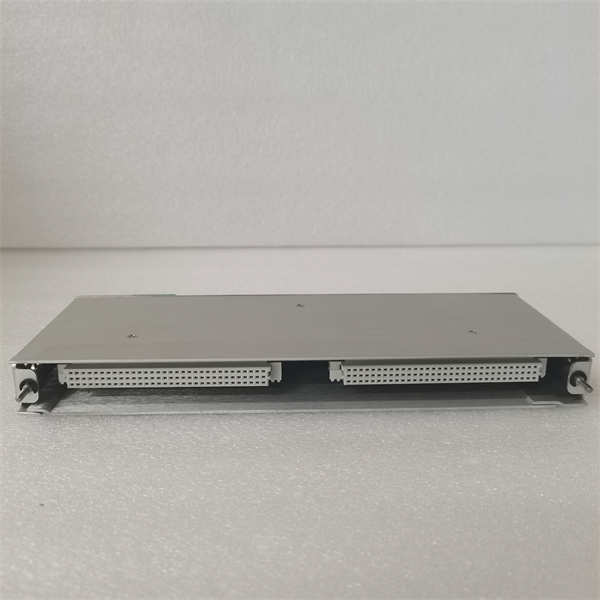
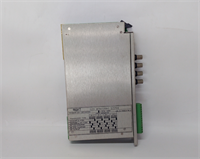
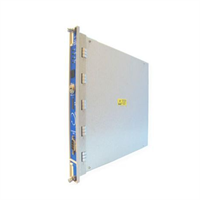
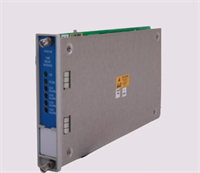
BENTLY 146031-01
Lifecycle Status and Migration Strategy
Baker Hughes no longer lists the 146031-01 under active part numbers. It has been absorbed into updated cable catalogs (e.g., 330901-XX-XX series), where length and connector options are re-coded. While functionally identical cables are still manufactured, the exact “146031-01” designation is legacy.
Short-term actions:
- Source remaining NOS units with verified length and capacitance specs
- Maintain a master calibration record linking each cable to its installed probe system
Long-term strategy:
- When replacing probes or proximitors, migrate to current Baker Hughes cable part numbers (e.g., 330901-31-00 for 31 ft)
- Ensure new cables match the original 87 pF/ft specification—do not substitute with RG-174 or other generic coax
- During major overhauls, consider upgrading to 3300 XL or 3300 NSv systems, which offer improved noise immunity and digital diagnostics
Although passive, the 146031-01 remains a linchpin in accurate machinery health assessment. Treating it as a calibrated system component—not just “wire”—is essential for maintaining protection integrity in legacy Bently installations.