 Tel:
Tel:  Email:
  WhatsApp:
 Description
Key Technical Specifications (For Spare Parts Verification)
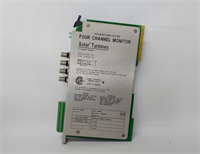
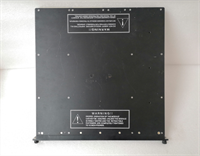
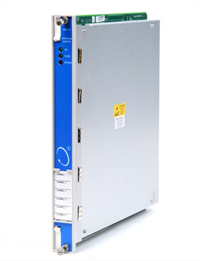
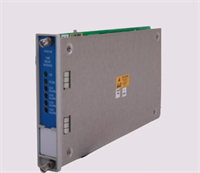
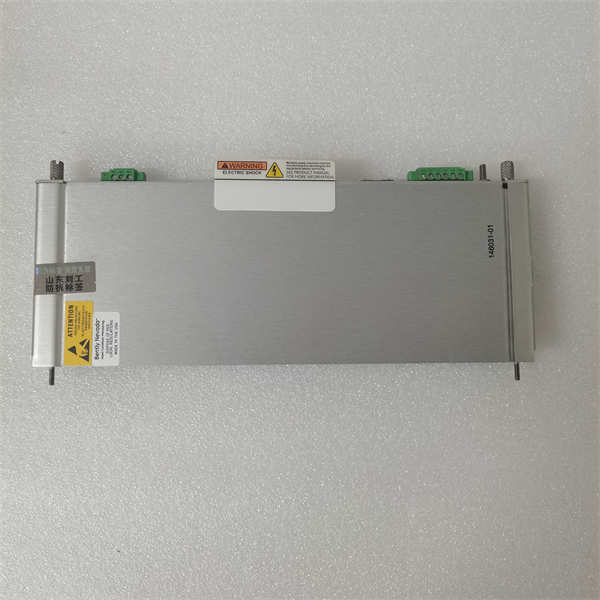
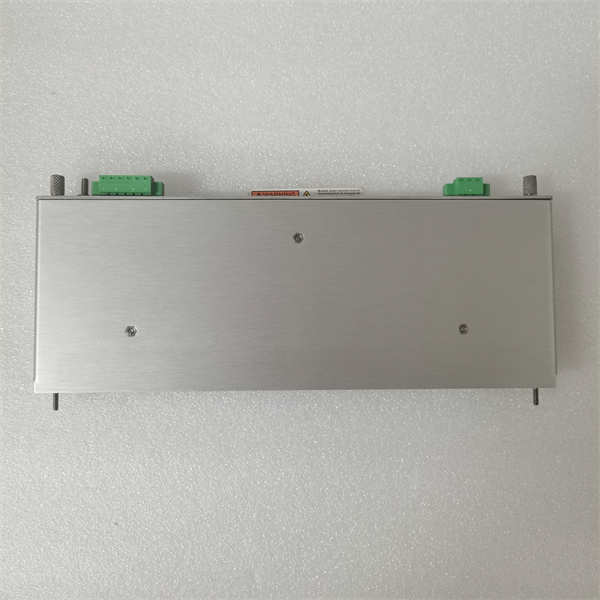
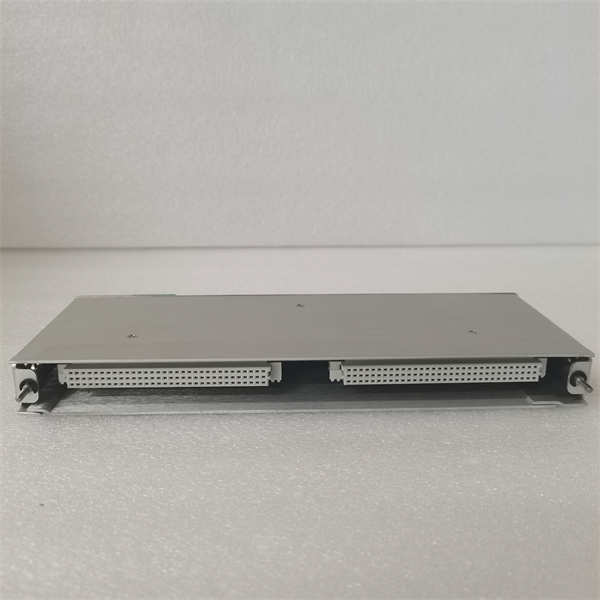
- Product Model: 146031-01
- Manufacturer: Bently Nevada
- System Platform: 3500 Machinery Protection System (specifically for use with 3500/22M or 3500/25 modules)
- Module Type: Transient Data Interface (TDI)
- Communication Ports:
- RS-232 (for local configuration)
- RS-485 (for daisy-chained 3500 rack communication)
- Ethernet (10/100 Base-T, for transient data streaming to System 1 or third-party software)
- Data Capture Rate: Up to 20 kHz per channel during triggered events
- Supported Protocols: Bently proprietary TDI protocol, Modbus TCP (limited), and API for System 1 integration
- Power Supply: +5 V DC via 3500 backplane
- Mounting: Occupies one full slot in standard 3500 rack (typically Slot 9 or 10)
- Firmware Dependency: Requires compatible 3500 framework and monitor module firmware
- Diagnostic Indicators: Status LEDs for power, Ethernet link, and data activity
System Role and Impact of Failure
The Bently Nevada 146031-01 serves as the high-speed data gateway in critical machinery protection systems used in oil & gas, power generation, and petrochemical facilities. It resides in the 3500 rack alongside vibration, position, and speed monitors (e.g., 3500/42M, 3500/25) and captures time-synchronized waveform data during alarm or trip events—such as turbine overspeed, bearing instability, or seal failure.
While the core protection logic (trip relay activation) operates independently of the TDI module, loss of the 146031-01 eliminates post-event diagnostics. Without transient data, engineers cannot perform root cause analysis after a shutdown, leading to extended downtime, repeated trips, or misdiagnosis of machine health. In regulated environments, this also compromises compliance with reliability standards (e.g., API 670). Although not a direct safety trip initiator, its failure significantly degrades operational insight and maintenance effectiveness.
Reliability Analysis and Common Failure Modes
Despite robust industrial design, the 146031-01 is now operating well beyond its intended service life (original deployments date to early 2000s). Common failure modes include:
- Ethernet PHY degradation: The physical layer chip fails due to thermal stress or ESD, causing intermittent or complete network dropout—often without affecting front-panel LEDs.
- Firmware corruption: Power cycling or voltage sags can corrupt the boot loader, rendering the module unresponsive to configuration tools.
- Backplane connector fatigue: Repeated thermal expansion in hot turbine enclosures causes micro-cracks in solder joints, disrupting +5 V supply or communication with the 3500 framework.
- RS-485 transceiver failure: Exposure to ground loops or lightning-induced surges damages the serial interface used for rack synchronization.
A key vulnerability is its reliance on stable network infrastructure; misconfigured switches or VLAN changes can isolate the module even when hardware is functional.
Recommended preventive actions:
- Periodically verify data streaming to System 1 or historian during routine tests
- Monitor for “TDI offline” alarms in the plant asset management system
- Ensure proper grounding of the 3500 rack and shielded cabling for Ethernet
- Avoid unnecessary firmware updates on aging units due to flash memory wear
BENTLY 146031-01
Lifecycle Status and Migration Strategy
Bently Nevada has officially discontinued the 146031-01 as part of the legacy 3500 TDI module phase-out. No new units are manufactured, and factory repair or recalibration services are no longer offered. Continued use depends on unverified surplus inventory, posing risk to data integrity and cybersecurity (the module lacks modern encryption or authentication).
Short-term mitigation includes:
- Securing at least one tested spare for critical turbine trains
- Implementing periodic data stream validation during bump tests
- Isolating the TDI network segment to reduce exposure
For long-term sustainability, Bently Nevada’s recommended path is migration to the 3500/94 Enhanced Transient Data Interface (ETDI) module or, more comprehensively, upgrading to the Bently Nevada System 1 v5+ architecture with Orbit 6 sensors and 3500/97 communication modules. The 3500/94 offers backward compatibility with existing 3500 racks while providing secure Ethernet, OPC UA support, and cloud-ready data export.
Migration steps typically involve:
- Replacing the 146031-01 with a 3500/94 in the same slot (same form factor)
- Updating System 1 software to v5.10 or later
- Reconfiguring data collection policies via Asset Suite
- Validating waveform capture during commissioning tests
For facilities with multiple legacy racks, a staged replacement—prioritizing units supporting critical compressors or turbines—ensures continuous diagnostic capability while aligning with digital transformation goals.