 Tel:
Tel:  Email:
  WhatsApp:
 Description
Key Technical Specifications (For Spare Parts Verification)
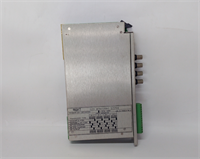
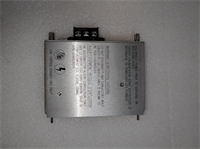
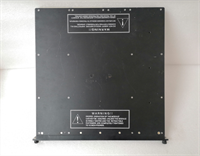
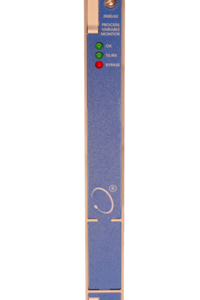
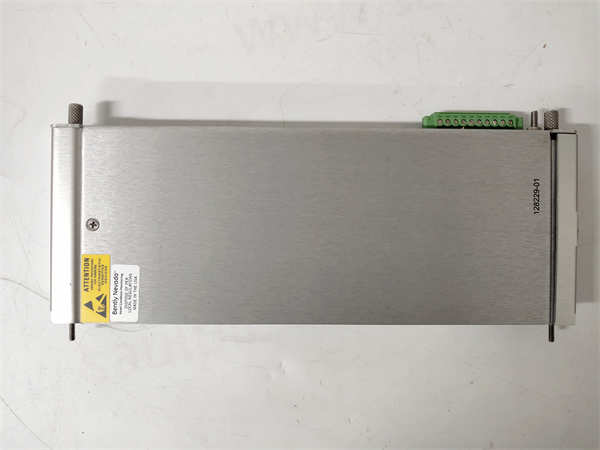
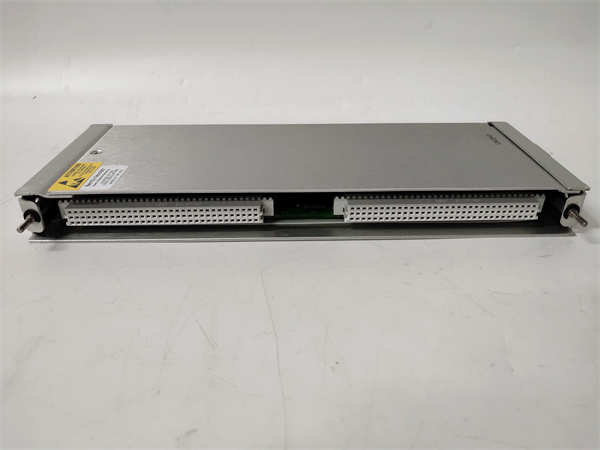
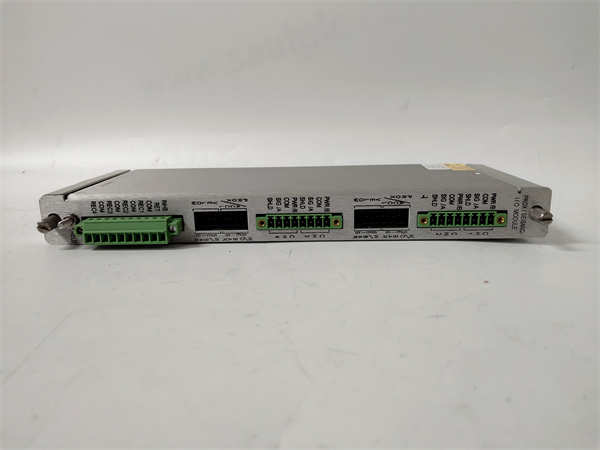
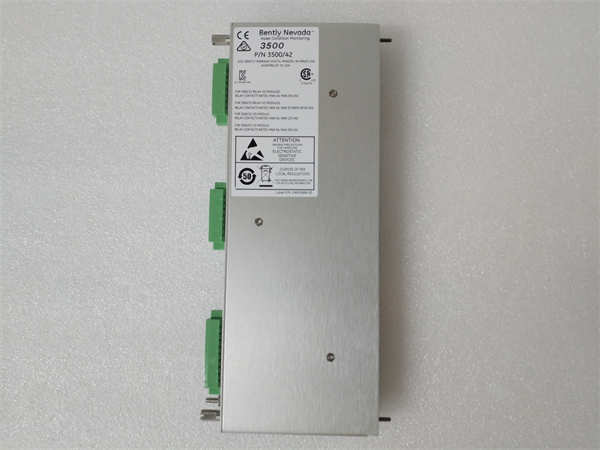
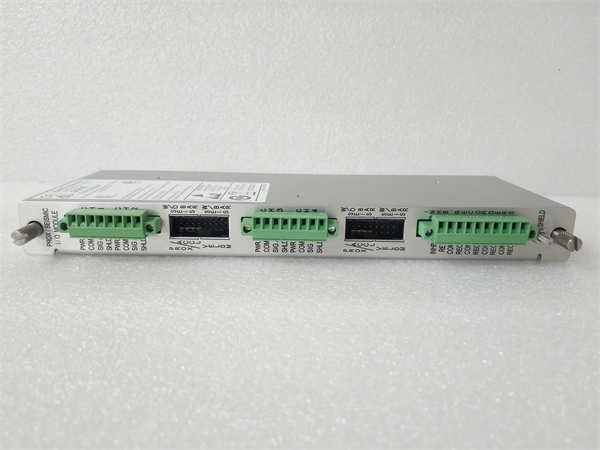
- Product Model: 128229-01
- Manufacturer: BENTLY NEVADA
- System Family: 3500 Machinery Protection System
- Module Type: 3500/42M Dual-Channel Monitor
- Channels: 2 independent channels (accepts proximity probe or velocity sensor inputs)
- Signal Processing: Real-time gap, vibration, and position measurement with user-configurable filters
- Alarm Outputs: 4 programmable relay outputs per channel (Alert, Danger, OK, System Fault)
- Communication: Backplane interface to 3500 gateway modules (e.g., 3500/22, /25)
- Power: Supplied via 3500 rack backplane (no external power required)
- Firmware Dependency: Compatible with 3500 rack firmware versions up to v9.x
- Physical Identifier: Label includes “128229-01” and revision code (e.g., REV A, B); must match existing system configuration
System Role and Downtime Impact
The BENTLY 128229-01 is a core functional module within the 3500 machinery protection system, typically installed in racks protecting critical turbomachinery such as centrifugal compressors, steam turbines, and generators. Each module processes signals from two independent vibration or position sensors and executes user-defined alarm and trip logic. If this module fails, it can result in loss of monitoring on up to two critical machine axes. Depending on system configuration, failure may trigger a “System Fault” that disables associated trip relays—potentially compromising the entire protection function for that machine train. In high-availability environments like refineries, LNG plants, or power stations, such a failure could necessitate an immediate controlled shutdown to avoid catastrophic mechanical damage, leading to production losses that far exceed the module’s replacement cost.
Reliability Analysis and Common Failure Modes
Despite its robust design, the 128229-01 is susceptible to age-related degradation due to its typical deployment in harsh industrial environments over 10–20 years. The most frequent failure mode involves the analog front-end circuitry, particularly the input conditioning amplifiers and anti-aliasing filters, which can drift due to thermal stress or component aging, causing false alarms or signal distortion. Internal electrolytic capacitors in the DC regulation stages are prone to drying out, leading to intermittent resets or erratic relay behavior. Additionally, the EEPROM storing configuration data can become corrupted after repeated power cycles, especially if the module is removed without proper system de-energization.
A key design limitation is the lack of built-in self-diagnostics for analog signal path integrity—faults often manifest only as process alarms, not module-level diagnostics. The module also relies on precise calibration during initial setup; any drift is not auto-corrected.
Preventive maintenance recommendations include:
- Annual verification of input signal accuracy using calibrated simulators
- Inspection of terminal blocks for corrosion or loose connections
- Backup of module configuration via Bently’s legacy Rack Configuration Software (RCS)
- Storage of spares in climate-controlled conditions to slow capacitor aging
BENTLY 128229-01
Lifecycle Status and Migration Strategy
BENTLY NEVADA has formally discontinued the 128229-01 as part of the legacy 3500/42M product line retirement. Continuing to operate systems with this module entails significant risks: no new units are available from the OEM, secondary market parts may have undocumented service history, and official technical support is restricted to break-fix under legacy contracts with no software or firmware assistance.
As an interim solution, facilities can procure functionally tested surplus modules with full diagnostic reports, or utilize specialized third-party services for board-level repair—including capacitor replacement, amplifier recalibration, and EEPROM reprogramming.
The official migration path is to replace the 128229-01 with the 3500/42R Enhanced Monitor module. This modern equivalent offers improved noise immunity, expanded filter options, enhanced diagnostics, and compatibility with current 3500 rack firmware (v10+). The upgrade requires:
- Physical replacement of the module in the same half-height slot
- Reconfiguration using updated Rack Configuration Software
- Validation of alarm/trip logic against original safety requirements
For organizations undertaking broader digital transformation, Bently Nevada’s Orbit 60 platform provides a future-ready alternative with edge analytics, OPC UA, and cloud integration—but this involves replacing the entire sensor-to-controller chain. A hybrid approach—retaining the 3500 rack for hardwired protection while feeding data to Orbit 60 for advanced analytics—is a pragmatic transition strategy for asset-intensive industries.