 Tel:
Tel:  Email:
  WhatsApp:
 Description
Key Technical Specifications (For Spare Parts Verification)
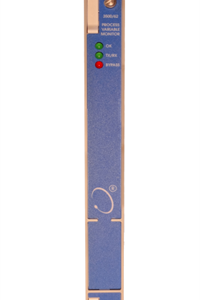
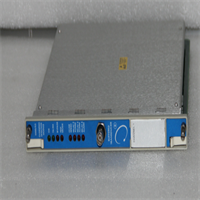
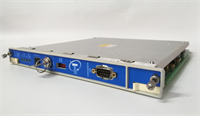
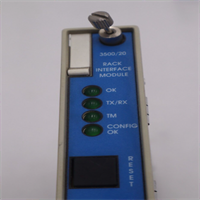
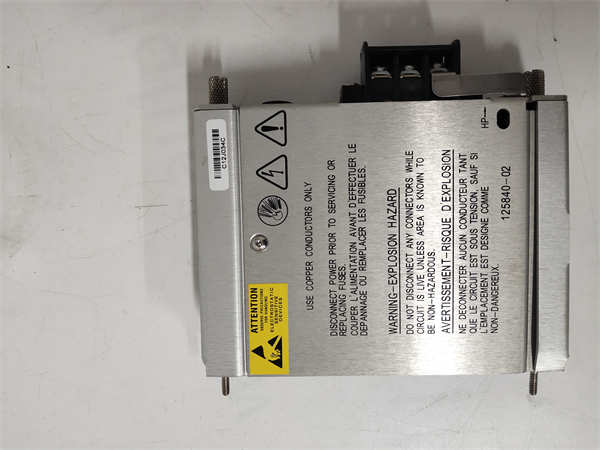
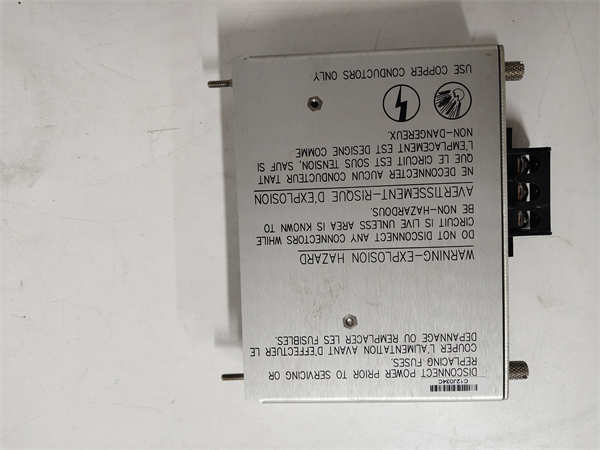
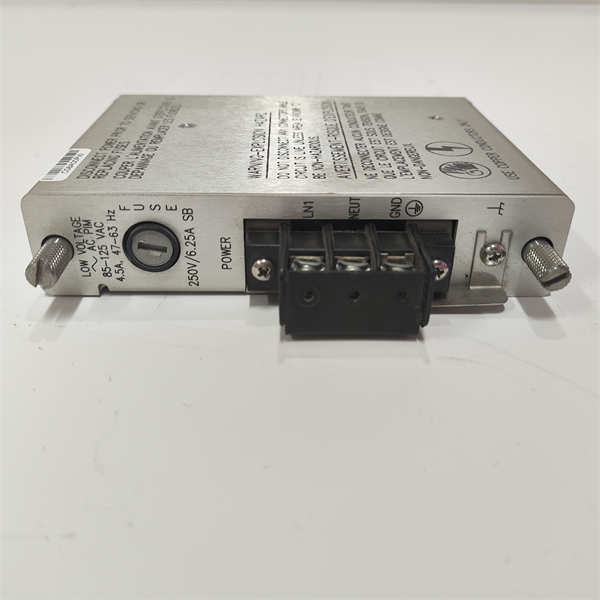
- Product Model: 125840-02
- Manufacturer: Bently Nevada
- System Platform: 1900/65 Machinery Monitoring and Protection System
- Module Type: Vibration monitor relay (single-channel or multi-channel configuration dependent on firmware)
- Input Compatibility: Accepts buffered output from 3300/3500-style proximity probes (typically –2 to –18 VDC)
- Relay Outputs: Multiple SPDT dry contacts for Alarm, Danger, and System Fault (current rating typically 2 A @ 30 VDC)
- Configuration Method: Set via front-panel DIP switches and internal jumpers; some versions support software upload via serial interface
- Power Supply: +5 VDC and ±15 VDC from 1900/65 backplane
- Mounting: Plugs into standard 1900/65 chassis slot (typically mid-frame)
- Certifications: Designed to meet API 670 (4th edition) requirements for machinery protection
- Status Indicators: LED indicators for Power, OK, Alarm, and Trip conditions
System Role and Downtime Impact
The 125840-02 serves as the decision-making unit in legacy Bently Nevada protection systems, commonly deployed on steam turbines, centrifugal compressors, and large motors. It continuously evaluates analog vibration or position signals and activates relay contacts when preset thresholds are exceeded. Because it often functions as the final element in a safety instrumented function (SIF), its correct operation is essential to prevent mechanical failure. If the module fails—due to component aging, configuration loss, or power issues—it may either fail dangerously (no trip when required) or fail safely (nuisance trip). In either case, plant availability is compromised, and in the worst scenario, uncontrolled machinery damage can occur, leading to extended outages and safety hazards.
Reliability Analysis and Common Failure Modes
Units in service today are typically over 15–20 years old, operating well beyond their design life. Common failure modes include:
- Electrolytic capacitor degradation: Causes power supply ripple, leading to erratic relay behavior or spontaneous resets.
- EPROM data loss: Older versions use non-volatile memory that can degrade, resulting in lost configuration or default settings.
- Relay contact welding or oxidation: Mechanical relays may stick closed (dangerous failure) or develop high contact resistance (causing false “open” signals).
- Backplane connector corrosion: Intermittent contact leads to signal dropout or module misidentification by the chassis.
Design weaknesses include reliance on battery-backed memory in some revisions (prone to leakage) and lack of self-diagnostics for internal logic health.
Preventive maintenance recommendations:
- Conduct annual functional tests using a calibrated signal generator to verify alarm/trip thresholds and relay operation.
- Inspect for signs of capacitor bulging or electrolyte leakage on the PCB.
- Clean backplane connectors with contact enhancer during scheduled outages.
- Maintain a backup configuration record (DIP switch settings and jumper positions) for rapid recovery.
BENTLY 125840-02
Lifecycle Status and Migration Strategy
Bently Nevada discontinued the 1900/65 platform, including the 125840-02, with no direct drop-in replacement available. OEM repair services and calibration support have been terminated. Continued use poses significant operational and compliance risks, especially in regulated industries requiring auditable safety system integrity.
Temporary risk-mitigation strategies include:
- Securing one or more verified-good spare modules and storing them in climate-controlled conditions.
- Engaging specialized third-party vendors for board-level repair and recalibration (with full post-repair validation).
- Implementing redundant external monitoring (e.g., portable data collectors) to cross-check protection logic.
The recommended long-term path is migration to a modern, API 670-compliant platform such as the Bently Nevada 3500 system (for discrete hardware) or the System 1 Condition Monitoring Platform (for integrated monitoring and protection). Both require re-engineering of sensor wiring, logic configuration, and integration with plant safety systems. Alternatively, certified SIL-rated PLCs with appropriate analog input modules can be used for protection functions, though this demands rigorous functional safety lifecycle management (per IEC 61511). A formal migration feasibility study is strongly advised before committing to any upgrade path.