 Tel:
Tel:  Email:
  WhatsApp:
 Description
Key Technical Specifications (For Spare Parts Verification)
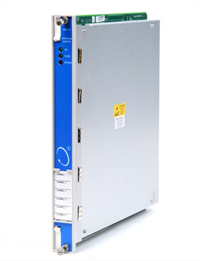
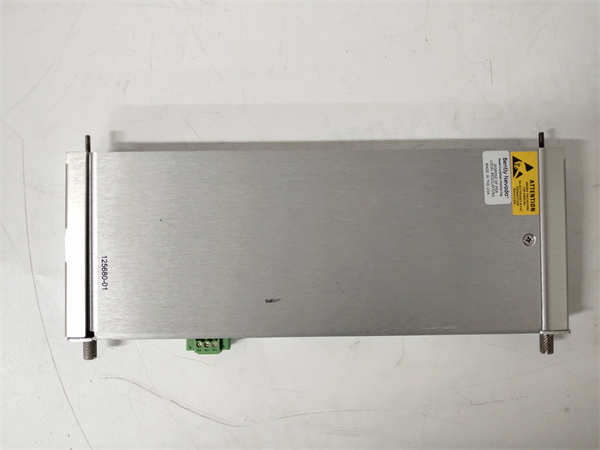
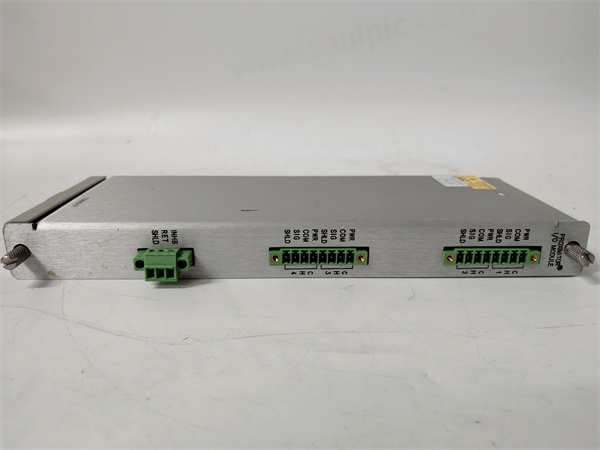
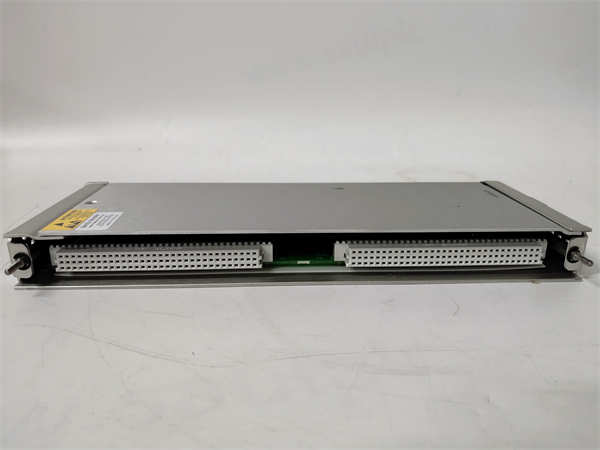
- Product Model: 125680-01
- Manufacturer: Bently Nevada
- System Platform: 1900/65 Machinery Monitoring System
- Input Voltage: 85–264 VAC auto-ranging, 47–63 Hz
- Output Voltages: +5 VDC (logic), +15 VDC and –15 VDC (analog circuits)
- Output Current Capacity: Typically 5 A on +5 VDC rail (verify per chassis load)
- Redundancy Support: Supports dual-module installation for N+1 redundancy (requires second 125680-01)
- Chassis Slot: Installed in designated power slot(s) of 1900/65 rack (usually leftmost)
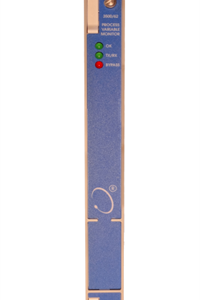
- Status Indicators: Front-panel LEDs for “AC OK”, “DC OK”, and “Fault”
- Cooling Method: Convection-cooled (no internal fan in most versions)
- Connector Type: Backplane-mounted; AC input via removable terminal block or IEC inlet (varies by revision)
System Role and Downtime Impact
The 125680-01 is the sole source of regulated DC power for the entire 1900/65 monitoring chassis. In critical applications—such as boiler feedwater pumps, steam turbines, or refrigeration compressors—the 1900/65 system often provides the only layer of automatic machinery protection compliant with API 670. If this power supply fails, all monitoring modules (vibration inputs, relay logic, communication cards) lose power simultaneously. This results in an immediate loss of alarm and trip capability, which may either trigger a safe shutdown (if upstream logic detects “system fault”) or—more dangerously—leave the machine unprotected during a developing fault. In non-redundant configurations, the risk is absolute; even in redundant setups, delayed detection of a failed unit leaves the system vulnerable.
Reliability Analysis and Common Failure Modes
Given typical service lives exceeding 15–20 years, these power supplies are deep into their wear-out phase. Common failure modes include:
- Electrolytic capacitor aging: Causes output voltage droop, ripple increase, or thermal shutdown under load.
- Switching transistor or diode failure: Often triggered by repeated exposure to voltage sags, surges, or harmonic distortion.
- Solder joint fatigue: Thermal cycling leads to cracked joints on high-current components, causing intermittent operation.
- Terminal block degradation: Loosening or oxidation at AC input points increases resistance and heat buildup.
A key design limitation is the absence of remote health monitoring—operators rely solely on front-panel LEDs, which may not indicate partial degradation. Additionally, early revisions lacked robust overvoltage protection on the DC rails, risking collateral damage to downstream modules during internal faults.
Preventive maintenance actions should include:
- Measuring output voltages under full load during routine outages to detect drift or instability.
- Inspecting for bulging or leaking capacitors on the PCB.
- Torquing AC input terminals to specification and checking for discoloration.
- Verifying redundancy functionality by simulating a single-supply failure (if configured redundantly).
BENTLY 125680-01
Lifecycle Status and Migration Strategy
Bently Nevada has formally discontinued the 1900/65 platform, including the 125680-01. No new units are manufactured, and OEM repair or calibration services are no longer offered. Continued operation carries substantial risk: unavailability of verified spares, potential for cascading failures, and non-compliance with modern functional safety audit requirements.
Interim mitigation strategies include:
- Acquiring and bench-testing one or more spare units for strategic reserve.
- Installing an external UPS or power conditioner to reduce stress from grid disturbances.
- Engaging qualified third-party specialists for component-level repair and burn-in validation.
For sustainable operation, migration to a current-generation platform is strongly recommended. Options include:
- Upgrading to the Bently Nevada 3500 system, which offers direct functional replacement with improved diagnostics and redundancy.
- Transitioning to the System 1 Condition Monitoring Platform, which consolidates monitoring and protection in a scalable architecture with IT/OT integration.
- Implementing a certified SIL 2/3 PLC-based protection system using API 670-compliant analog inputs.
All migration paths require revalidation of sensor compatibility, alarm/trip logic, and integration with plant safety systems. A phased approach—starting with critical machines—is advisable to manage cost and operational disruption.