 Tel:
Tel:  Email:
  WhatsApp:
 Description
Key Technical Specifications (For Spare Parts Verification)
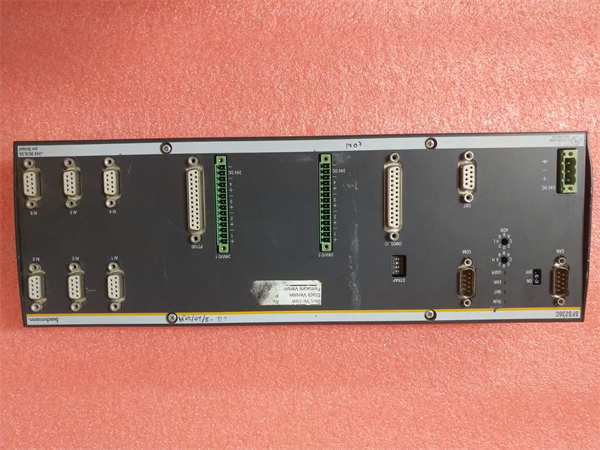
- Product Model: SFS236C
- Manufacturer: Bachmann Electronic GmbH
- System Platform: M1 Controller Family (widely used in wind turbines, mobile machinery, and industrial automation)
- Safety Certification: Certified to IEC 61508 SIL2 and EN ISO 13849-1 PL d
- I/O Configuration: Typically 8 safety inputs and 4 safety outputs (verify exact configuration via label or manual)
- Input Type: 24 VDC, suitable for connection to safety sensors with OSSD or contact-based signals
- Output Type: Solid-state or relay-based safety outputs for driving contactors or safety relays
- Communication: Backplane communication with M1 CPU via proprietary bus; safety status reported to main controller
- Diagnostics: LED indicators for power, channel status, fault, and safety state; detailed diagnostics via CODESYS Safety or AXC F 3152 tools
- Mounting: DIN rail within M1 system chassis
- Operating Temperature: 0°C to +55°C
System Role and Downtime Impact
The SFS236C is commonly deployed in safety-critical subsystems of wind turbine pitch and yaw controls, crane anti-collision systems, and heavy machinery. It monitors safety-related field devices and ensures that hazardous motion is stopped when a safety condition is triggered—such as an open maintenance hatch, overspeed event, or operator-initiated e-stop. In wind applications, this module may directly influence turbine shutdown sequences during grid faults or extreme weather. If the SFS236C fails or enters a safe state unexpectedly, it forces the entire machine into a controlled stop, resulting in lost production. More critically, if it fails dangerously (e.g., stuck output), it could prevent proper safety response—posing personnel and equipment risks. Due to its role in certified safety functions, replacement without proper validation invalidates the system’s safety rating.
Reliability Analysis and Common Failure Modes
Despite robust design, aging units exhibit predictable vulnerabilities:
- Input circuit degradation: Optocouplers and filtering components on safety input channels degrade over time, leading to false triggering or failure to detect open circuits.
- Output driver fatigue: Repeated switching under inductive loads (e.g., contactor coils) stresses solid-state output stages, causing open or shorted failures.
- Backplane communication errors: Corrosion or mechanical wear on the DIN connector can disrupt communication with the M1 CPU, causing the safety module to be marked “offline” and triggering a safety stop.
- Firmware or configuration mismatch: Older modules may not be compatible with updated M1 firmware, leading to initialization failures or diagnostic alarms.
Recommended preventive measures include:
- Performing periodic functional safety tests per the machine’s validation protocol (e.g., testing e-stop response).
- Verifying wiring integrity and ensuring proper separation between safety and standard control circuits.
- Inspecting for signs of overheating, discoloration, or burnt smell near output terminals.
- Maintaining spares in ESD-safe, dry storage and validating them on a test bench before deployment.
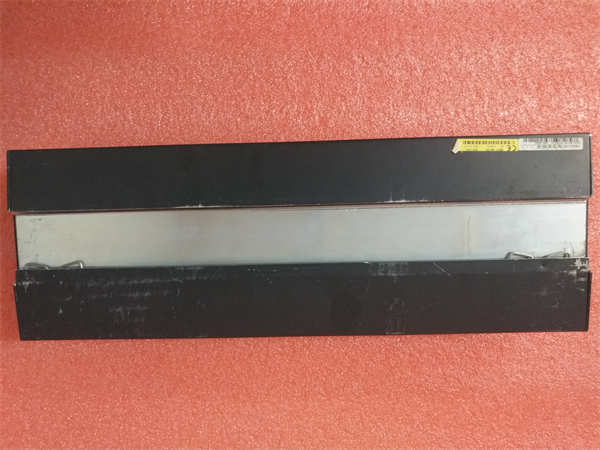
BACHMANN SFS236C
Lifecycle Status and Migration Strategy
Bachmann has discontinued the SFS236C as part of its product evolution toward integrated safety solutions like the AXC F 3152 PLC with built-in safety or newer SFSxxx-D series modules. No direct drop-in replacement exists, and technical support for legacy safety configurations is limited.
Interim mitigation strategies:
- Source only from vendors who provide full functional test reports and, ideally, original safety certification records.
- Maintain at least one validated spare per critical machine.
- Document the current safety program and hardware configuration thoroughly to support future migration.
Long-term migration path:
Bachmann recommends upgrading to the M1 with AXC F 3152 safety controller or using the SFS240C/D series (if mechanically and electrically compatible). This typically requires:
Bachmann recommends upgrading to the M1 with AXC F 3152 safety controller or using the SFS240C/D series (if mechanically and electrically compatible). This typically requires:
- Replacing the safety module and possibly the backplane or power supply.
- Recompiling and re-certifying the safety application in CODESYS Safety.
- Re-validating the entire safety function per IEC 62061 or ISO 13849.
Given the regulatory implications of safety system modifications, any migration must involve a qualified functional safety engineer. Until then, rigorous spare management and proactive testing are essential to ensure both operational continuity and compliance with safety standards.