 Tel:
Tel:  Email:
  WhatsApp:
 Description
Technical Specifications (For Spare Part Verification)
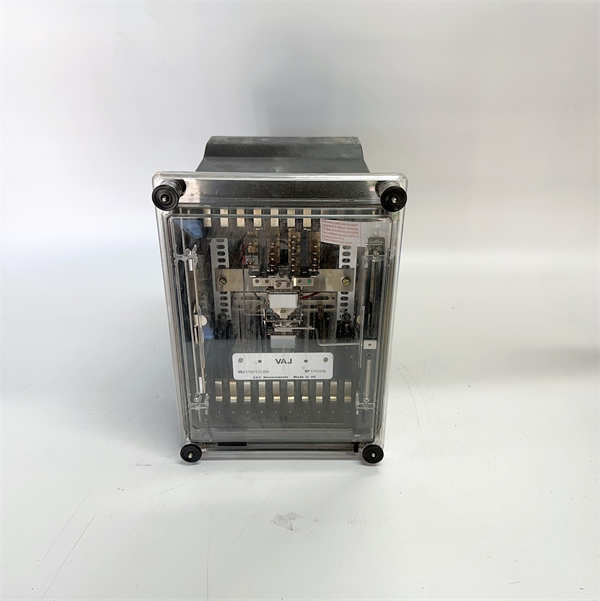
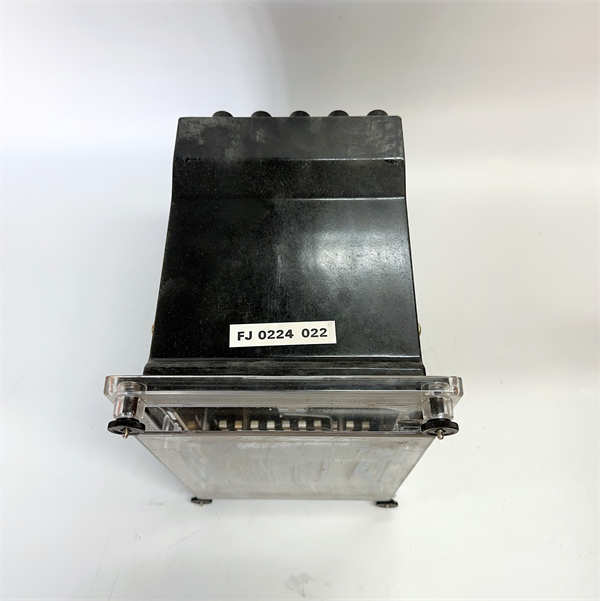
- Product Model: VAJX11BP5243BA
- Manufacturer: ALSTOM
- System Family: Alspa 5 / Alspa 6 Distributed Control System (DCS)
- Output Type: Digital relay or transistor outputs (exact type must be verified per label; often Form C relays rated for 24–125 VDC/VAC)
- Channel Count: Typically 8 or 16 channels (confirm via physical inspection or legacy documentation)
- Electrical Rating: Estimated 2 A per channel (resistive load); actual rating depends on internal relay model (e.g., Omron G2R series)
- Backplane Interface: Proprietary Alspa bus; requires specific slot in VAJX-series I/O chassis
- Diagnostic Capability: Limited or none – basic LED indication per channel only
- Power Supply: Powered via Alspa backplane (±15 VDC and +5 VDC rails)
- Physical Dimensions: Standard Alspa I/O module size (~160 mm H × 40 mm W × depth matching chassis)
- Label Markings: Must include exact part number “VAJX11BP5243BA” and revision code (e.g., “Rev 02”) – mismatched revisions may not initialize
System Role and Downtime Impact
The VAJX11BP5243BA is a final output stage component in Alstom’s legacy turbine control and protection systems, commonly found in fossil fuel and nuclear power plants commissioned between the 1980s and early 2000s. It translates logic-level trip commands from the Alspa controller into physical electrical signals that energize solenoid valves, breaker trip coils, or auxiliary shutdown devices.
Because it sits at the boundary between the control system and the physical process, its reliability is paramount. If the module fails—due to relay welding, driver circuit burnout, or backplane communication loss—the turbine may not respond to an overspeed, low lube oil pressure, or high vibration event. This creates a single point of failure in the protection chain. In regulated environments, such a failure can trigger mandatory derating or full unit outage until the function is restored and revalidated, often resulting in multi-million-dollar revenue loss per day of downtime.
Reliability Analysis and Common Failure Modes
As a product of 1980s–1990s industrial electronics, the VAJX11BP5243BA relies heavily on electromechanical relays and discrete analog components with finite lifespans. The dominant failure mode is relay contact degradation, including:
- Contact welding due to high inrush currents when switching solenoid loads without suppression diodes
- Increased contact resistance from arcing, leading to voltage drop and failed actuation
- Mechanical fatigue after decades of thermal cycling, causing intermittent opens
Secondary issues include driver transistor failure from overcurrent or voltage transients, and connector oxidation on the rear edge connector, which disrupts communication with the backplane. The module contains no onboard diagnostics, so failures are often only detected during functional testing or after a real demand event—too late to prevent damage.
Preventive maintenance should focus on:
- Performing annual wetted contact tests using a calibrated load to verify relay pull-in and dropout
- Inspecting for discoloration or bulging on surface-mount capacitors near power regulators
- Ensuring all field wiring uses flyback diodes for inductive loads to suppress voltage spikes
- Cleaning backplane connectors with contact enhancer during outages to prevent signal dropout
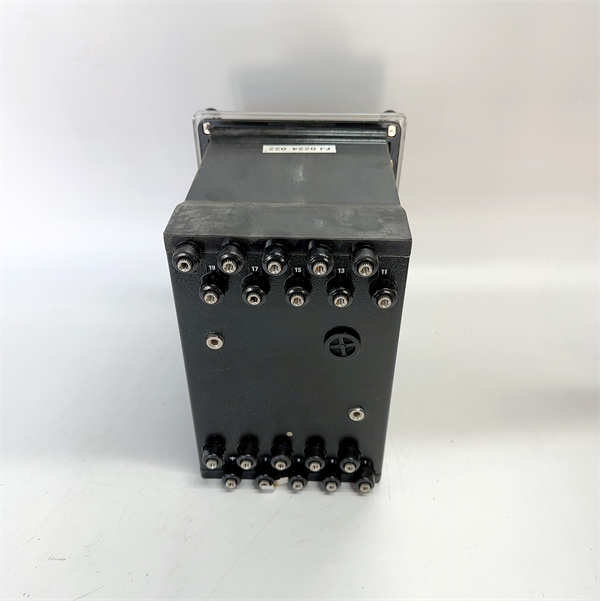
ALSTOM VAJX11BP5243BA
Lifecycle Status and Migration Strategy
ALSTOM discontinued the Alspa 5/6 platform over 15 years ago. No new VAJX11BP5243BA modules have been produced since the mid-2000s. Official support ended long ago, and remaining inventory consists of untested surplus or salvaged units with unknown operational history. Using such parts in safety-critical roles poses compliance risks under NERC, IEC 61511, or local regulatory frameworks.
Short-term risk mitigation includes:
- Acquiring multiple tested spares now, accompanied by full functional validation reports
- Implementing external hardwired backup protection (e.g., mechanical overspeed trips) to reduce reliance on the DCS
- Restricting use to non-trip, alarm-only functions where feasible
For sustainable operation, a full or partial migration is strongly advised. Common paths include:
- Full DCS replacement with modern platforms like Emerson Ovation, Siemens SPPA-T3000, or GE Mark VIe
- Hybrid retrofit: Replace only the I/O layer with a gateway system (e.g., Moore Industries or Phoenix Contact signal conditioners) that interfaces legacy field wiring to a new PLC-based protection system
- Emulation: Some service firms offer FPGA-based emulation cards that mimic Alspa I/O behavior while connecting to modern controllers
Any migration requires extensive engineering, factory acceptance testing (FAT), and site validation. Given the age and criticality of systems using the VAJX11BP5243BA, treating it as a high-priority obsolescence risk—not a maintainable asset—is essential for long-term plant availability and safety compliance.