 Tel:
Tel:  Email:
  WhatsApp:
 Description
Key Technical Specifications (For Spare Parts Verification)
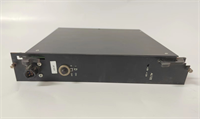
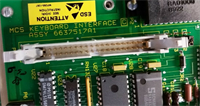
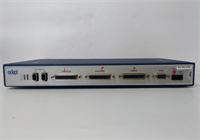
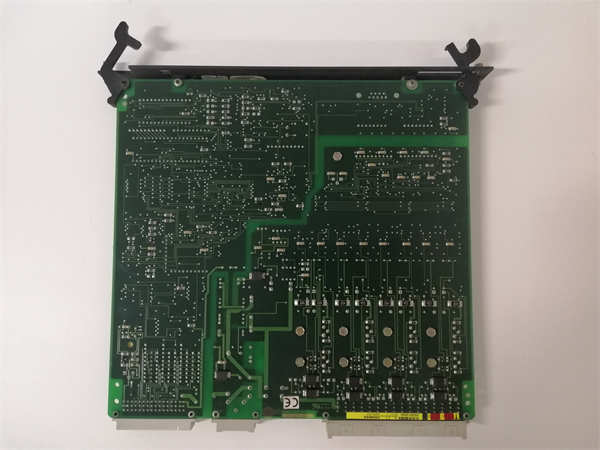
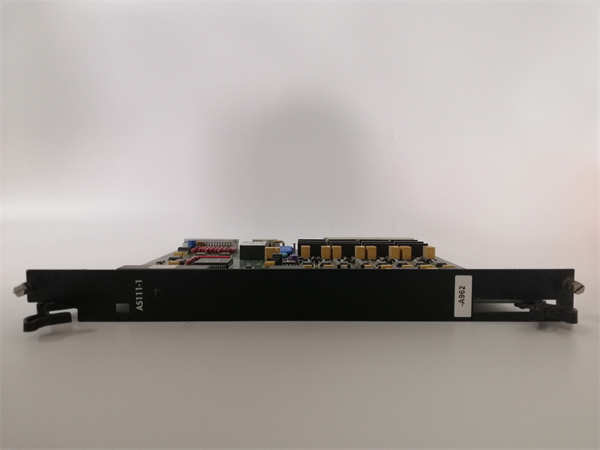
- Product Model: AS111-1
- Manufacturer: ALSTOM
- System Family: AS100 Turbine Control System (used in steam and gas turbines)
- Module Type: Digital input interface board
- Input Channels: Typically 16 or 32 isolated dry-contact or voltage-sensed inputs (exact count depends on revision)
- Input Voltage Range: Compatible with 24–125 V DC field signals (common in turbine auxiliaries)
- Isolation: Opto-isolated inputs for electrical noise immunity
- Mounting: Proprietary slot within AS100 chassis/backplane
- Power Supply: Low-voltage DC via backplane (+5 V, ±12 V)
- Communication: Parallel or serial bus to AS100 CPU modules (e.g., AS101/AS102)
- Diagnostic Features: Channel LEDs (if equipped), module OK status signal
- Firmware/Revision: Hardware-coded logic; “AS111-1” suffix denotes specific I/O mapping and compatibility
- Environmental Rating: Designed for control room or turbine skid mounting (industrial temperature range)
System Role and Downtime Impact
The AS111-1 is a foundational component of the AS100 turbine control system, widely deployed in fossil-fuel and combined-cycle power plants. It acquires binary status from field devices—such as emergency stop buttons, lube oil pressure switches, turning gear interlocks, and valve limit switches—and delivers this data to the central controller for sequencing, protection, and operator display. A malfunction can result in loss of critical safety signals, leading to either unsafe turbine operation (if a trip condition is missed) or an unplanned shutdown (if a false signal is interpreted as a fault). In baseload plants, even a brief forced outage due to AS111-1 failure can result in significant revenue loss and grid dispatch penalties.
Reliability Analysis and Common Failure Modes
As a product from the 1980s–1990s, the AS111-1 exhibits typical legacy electronics vulnerabilities:
- Optocoupler aging, causing increased propagation delay or complete channel failure—particularly in high-duty-cycle applications.
- Backplane connector fretting corrosion, leading to intermittent communication with the CPU or phantom input states.
- Onboard capacitor degradation in filtering circuits, resulting in noise susceptibility or power instability.
- Solder joint fatigue due to thermal cycling over decades of service, especially near power regulators or input terminations.
A key weakness is the lack of self-diagnostics beyond basic visual indicators; many faults manifest only during functional testing or after a process incident. Additionally, the module’s fixed I/O mapping means that a single failed channel often requires replacement of the entire unit.
Preventive maintenance should include: periodic functional testing of all input channels using simulated field signals, inspection of terminal blocks for looseness or oxidation, cleaning of chassis ventilation paths, and maintaining accurate wiring documentation for rapid troubleshooting.
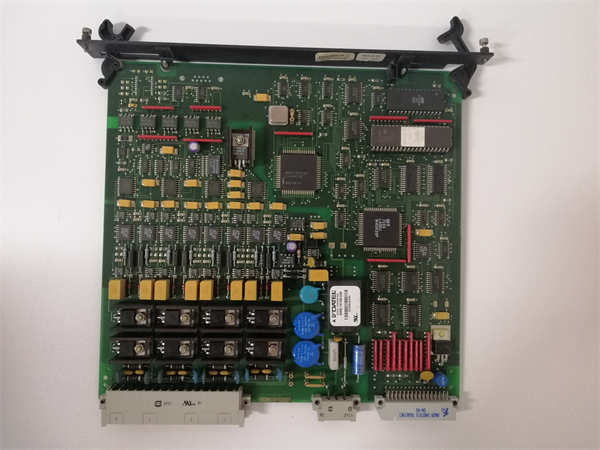
ALSTOM AS111-1
Lifecycle Status and Migration Strategy
ALSTOM has long since discontinued the AS100 platform, including the AS111-1 module. Following the integration of Alstom Power into GE (now GE Vernova), official support is limited to legacy service agreements with escalating costs and no hardware replenishment. Continuing to operate on this platform entails growing risk: authentic spares are nearly exhausted, and undocumented units from secondary markets may be non-functional or mismatched.
Interim strategies include securing tested modules from retired turbines, implementing external relay mirroring for critical inputs, or engaging third-party firms capable of board-level repair (e.g., optocoupler replacement, reballing connectors).
The recommended long-term solution is migration to a modern turbine control system such as GE’s Mark* VIe or a flexible PLC-based platform compliant with IEC 61508/61511. This involves full replacement of the AS100 chassis, re-engineering of I/O wiring, and revalidation of protection logic—but provides enhanced reliability, cybersecurity, remote diagnostics, and regulatory compliance, effectively retiring dependency on obsolete hardware like the AS111-1.